World Evolution of Animals (and us too!) (Evolution Series Part II)
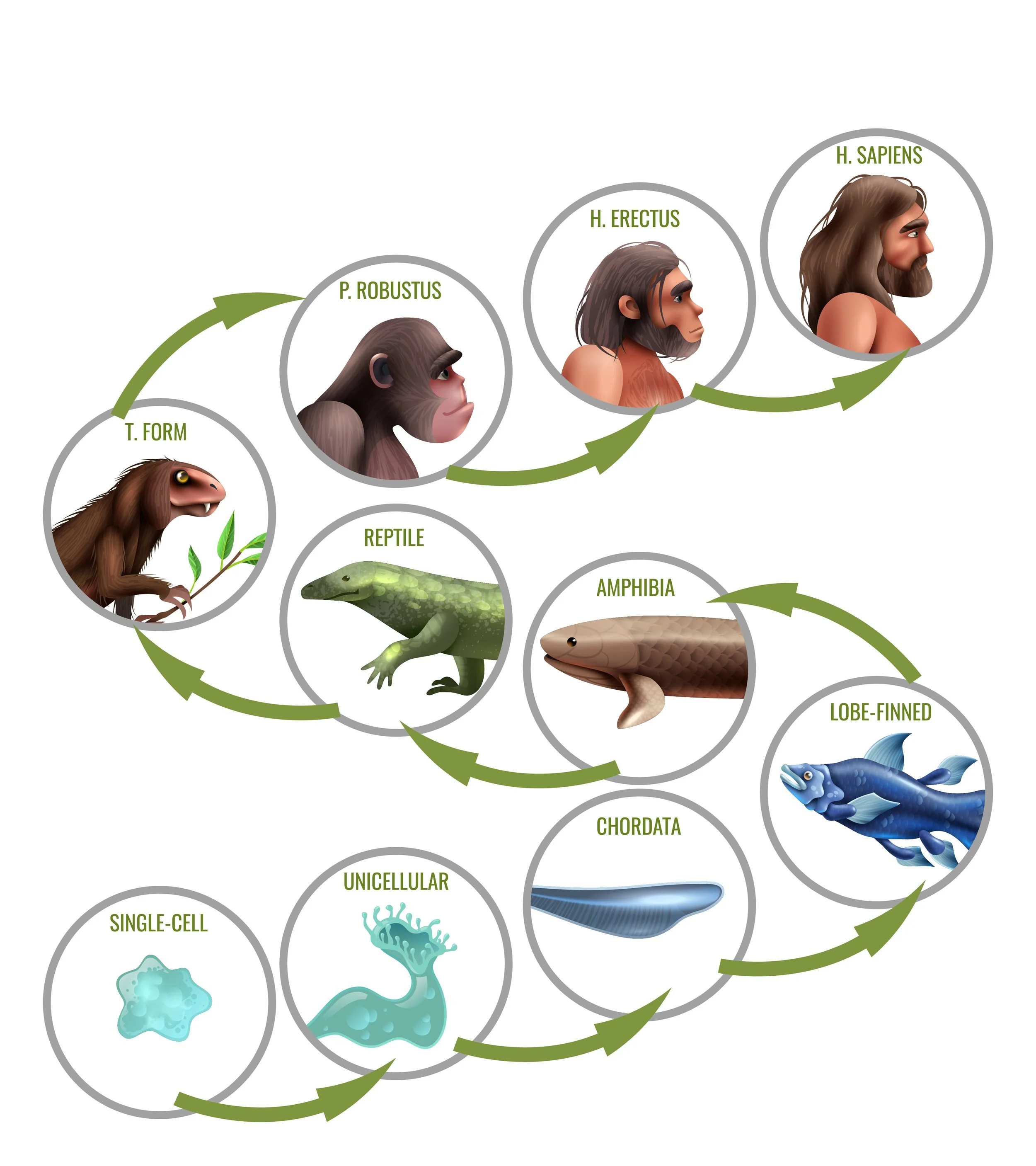
What if we were to respect this sacred symphony of life that was created over millions of years?
Image by Freepik
(You can also listen to this on Apple Podcasts here.)
As humans, our brains have difficulty understanding time. We live in our current reality, and most people don’t consider the sacredness of this earth and the long evolutionary development of animals and our own human species.
What if we were to take this timeline below more seriously?
What if we were to respect this sacred symphony of life that was created over millions of years?
We currently are in a phase of delusion. Polluting with petroleum, fertilizers, pesticides, burning of trash, throwing trash in the ocean.
This incredibly beautiful earth, really a paradise, or a heaven, is so precious.
Do we even logically, rationally, emotionally know what we’re doing? We’re literally killing ourselves and all of these incredible species.
The United Nations is supposed to help the world, but countries are not following the Net Zero Carbon Emissions suggestions. Poverty seems to be a major cause of this. Clearly, brave and bold leadership is needed. Distribution of wealth and investment in green technology is needed.
As you read through this timeline below, perhaps meditate on the sacredness of how life created these precious, unique animals.
560 million years ago
Sponges
Read about how earth used to be methane, and then eventually oxygen was formed and sponges became the first animals in Part I of this series here.
530 million years ago
The first fish appeared on Earth around 530 million years ago. These early fish were jawless and belonged to the Agnatha group. — Google AI
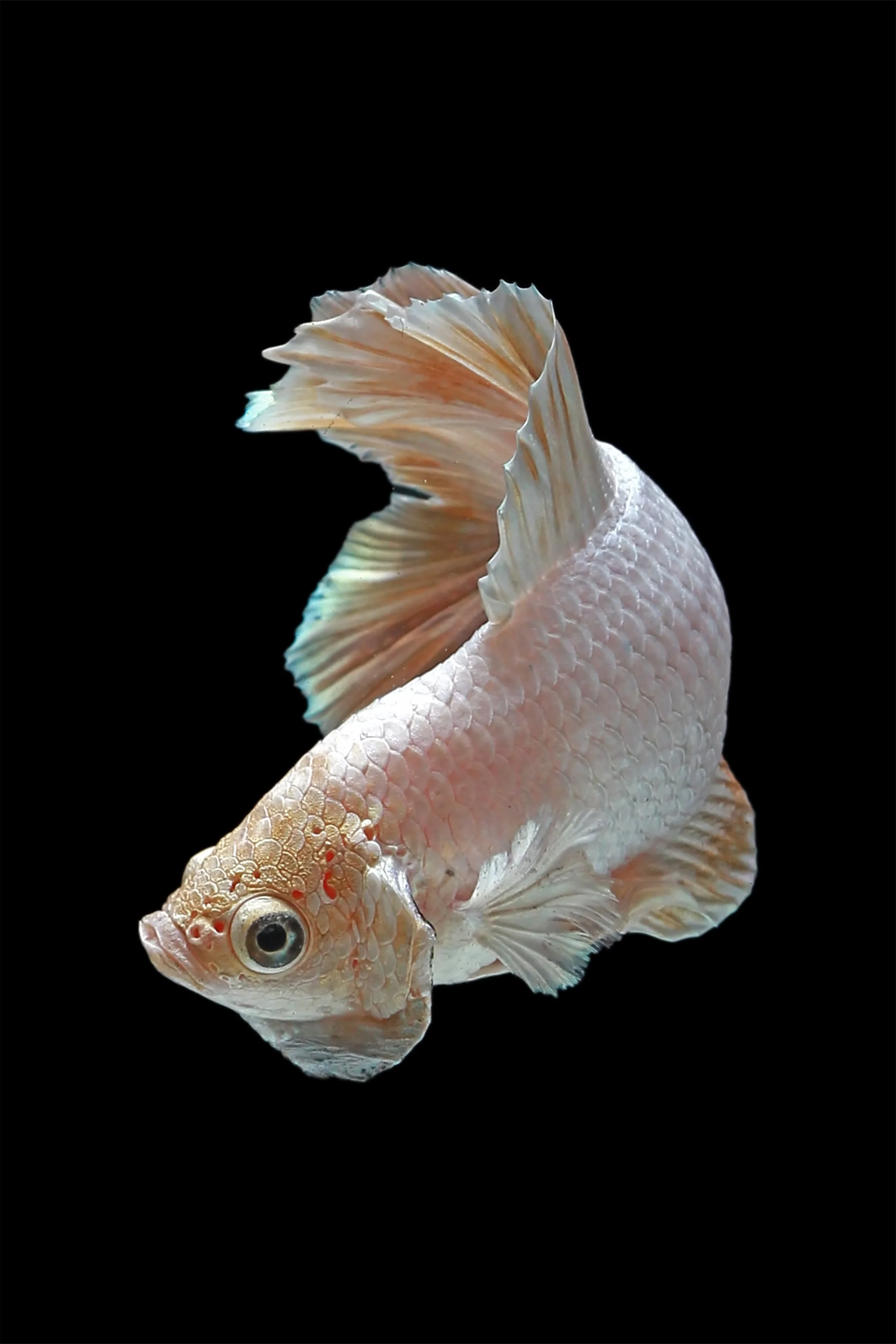
Wow, incredible. Evolution of fins to swim! Image by Freepik
370 million years ago
The first amphibians appeared around 370 million years ago during the Devonian period. They evolved from lobe-finned fish that had multi-jointed fins and primitive lungs.
330 million years ago
The oldest-known octopus relative appeared on Earth around 330 million years ago, before the age of dinosaurs.
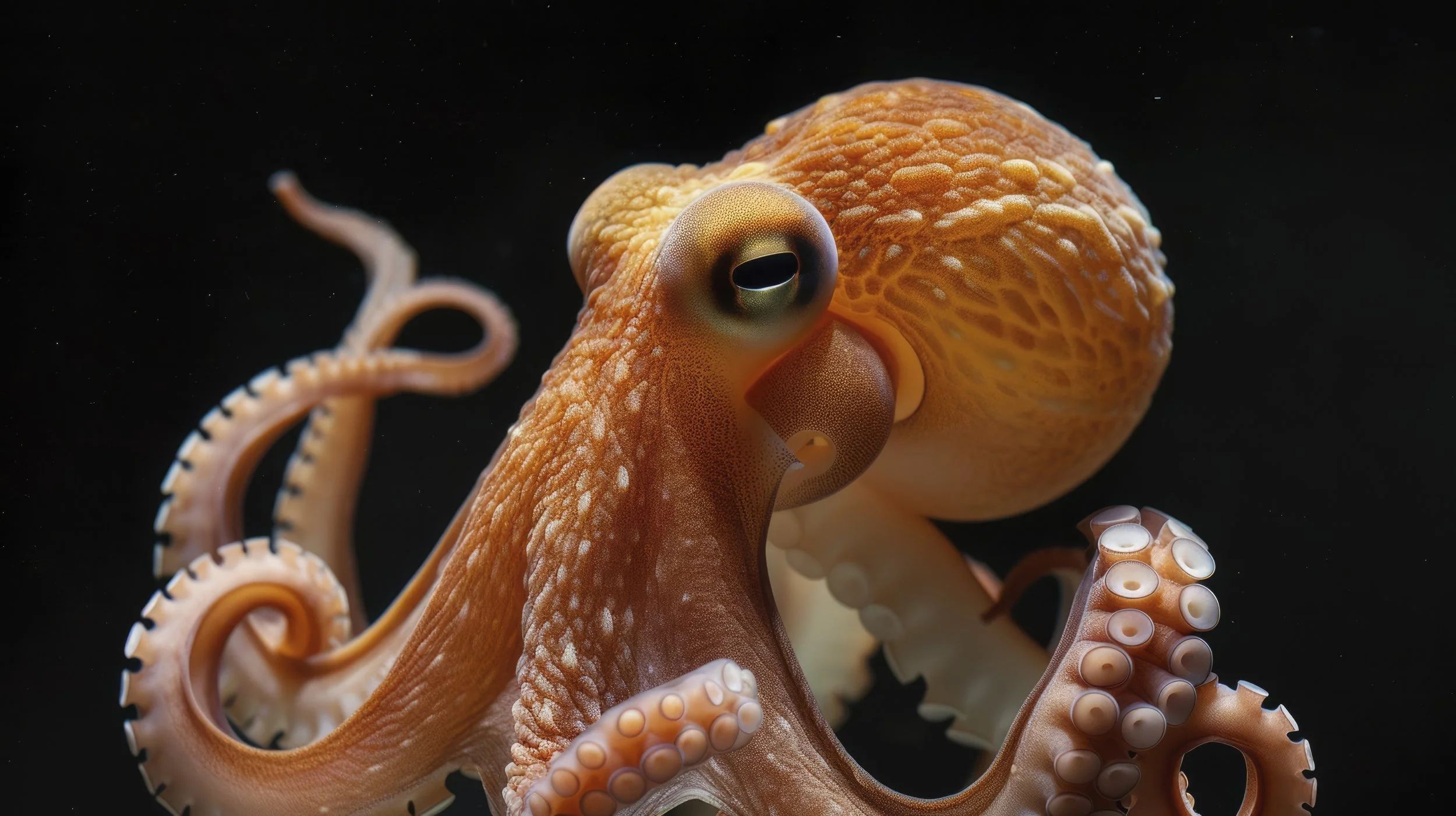
Woooow, such a unique first animal with so many tentacles! Image by Freepik
315 million years ago
The first reptiles appeared on Earth around 315 million years ago during the Carboniferous period. These reptiles were small, lizard-like animals that evolved from amphibians.
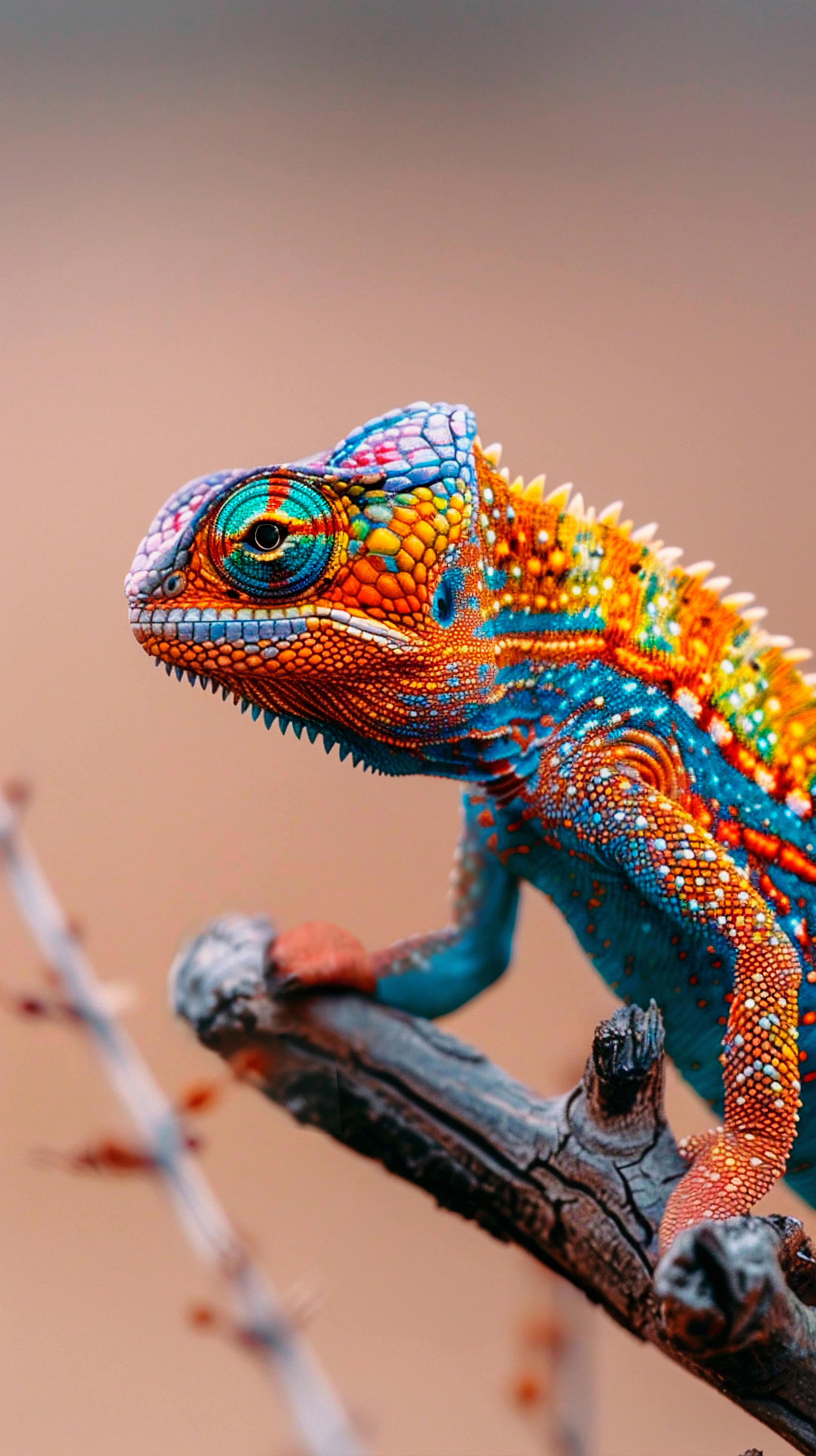
Whoah, look at those colors! Image by Freepik
245 million years ago
Dinosaurs first appeared on Earth around 245 million years ago, during the Triassic period. They were dominant land vertebrates for millions of years, until the Cretaceous–Paleogene extinction event about 66 million years ago. — Google AI
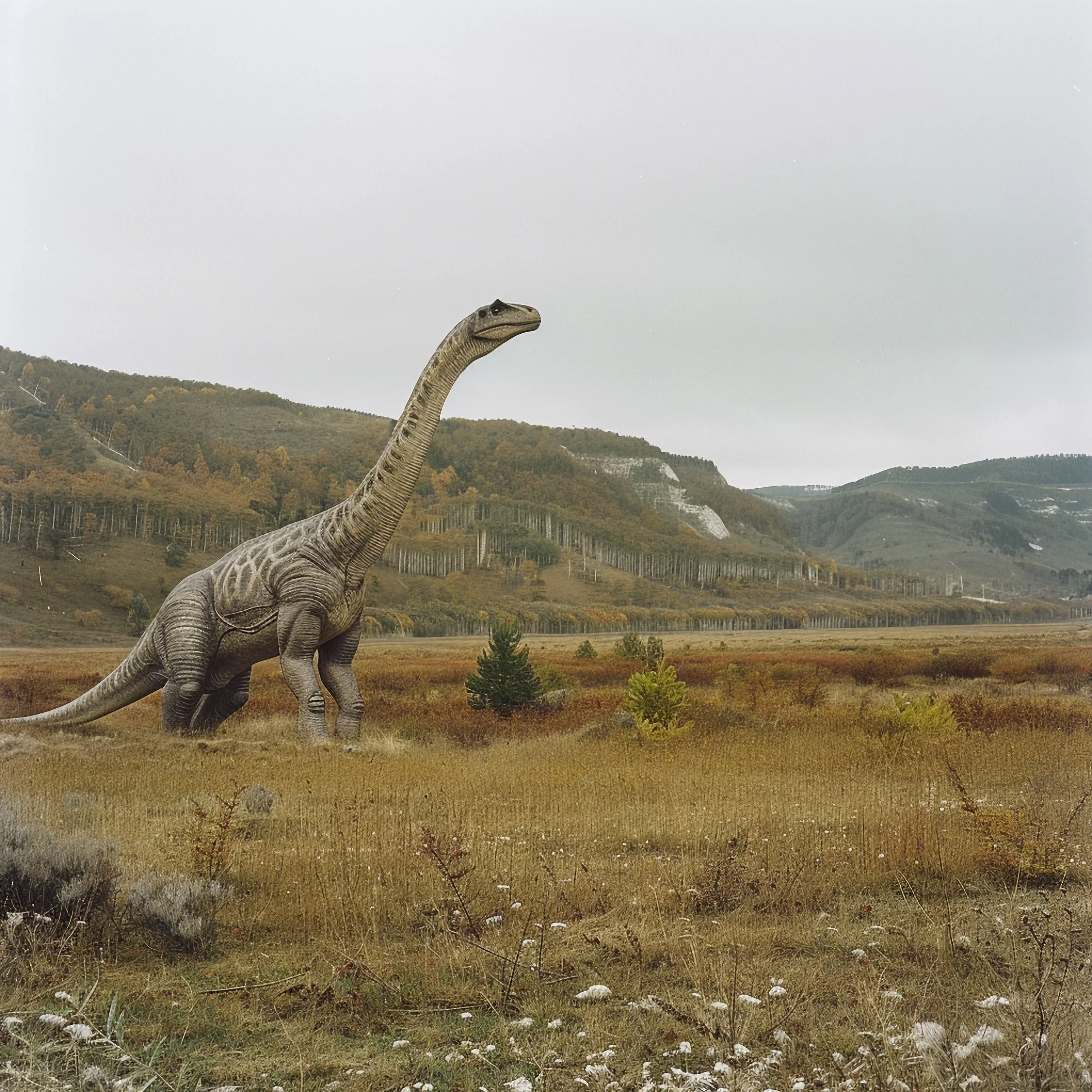
Wow, how cool, huh? A rendition, because we only have fossil records due to the asteroid that killed these incredibly unique species. Image by Freepik
230 million years ago
Turtles have been on Earth for around 230 million years, making them one of the oldest reptile groups.
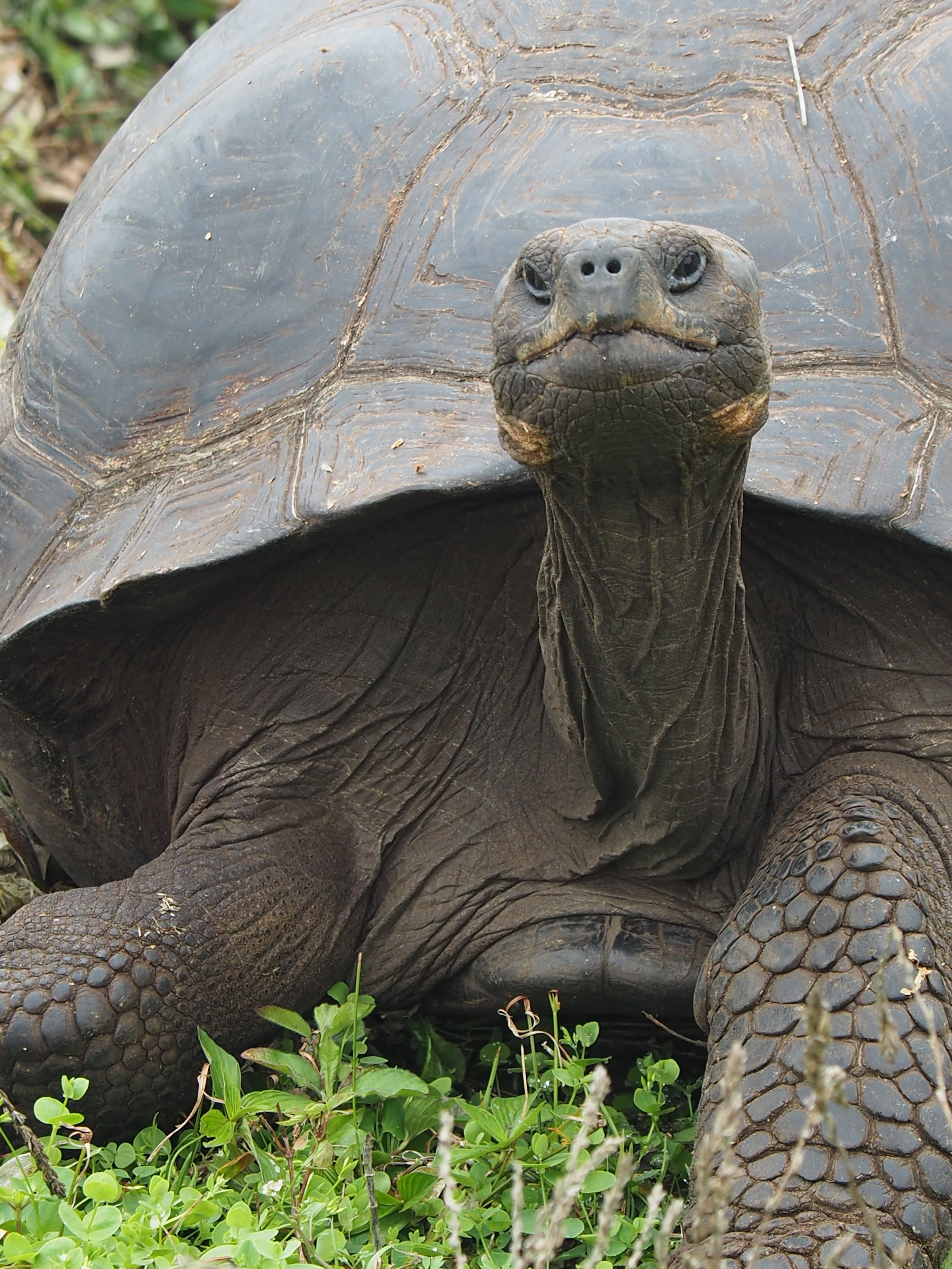
Doesn’t s/he look wise? 230 million years of living on this Earth!
Image by Freepik
225 million years ago
The first mammals appeared during the late Triassic period, about 225 million years ago. The earliest known mammal is Brasilodon quadrangularis, a small shrew-like animal.
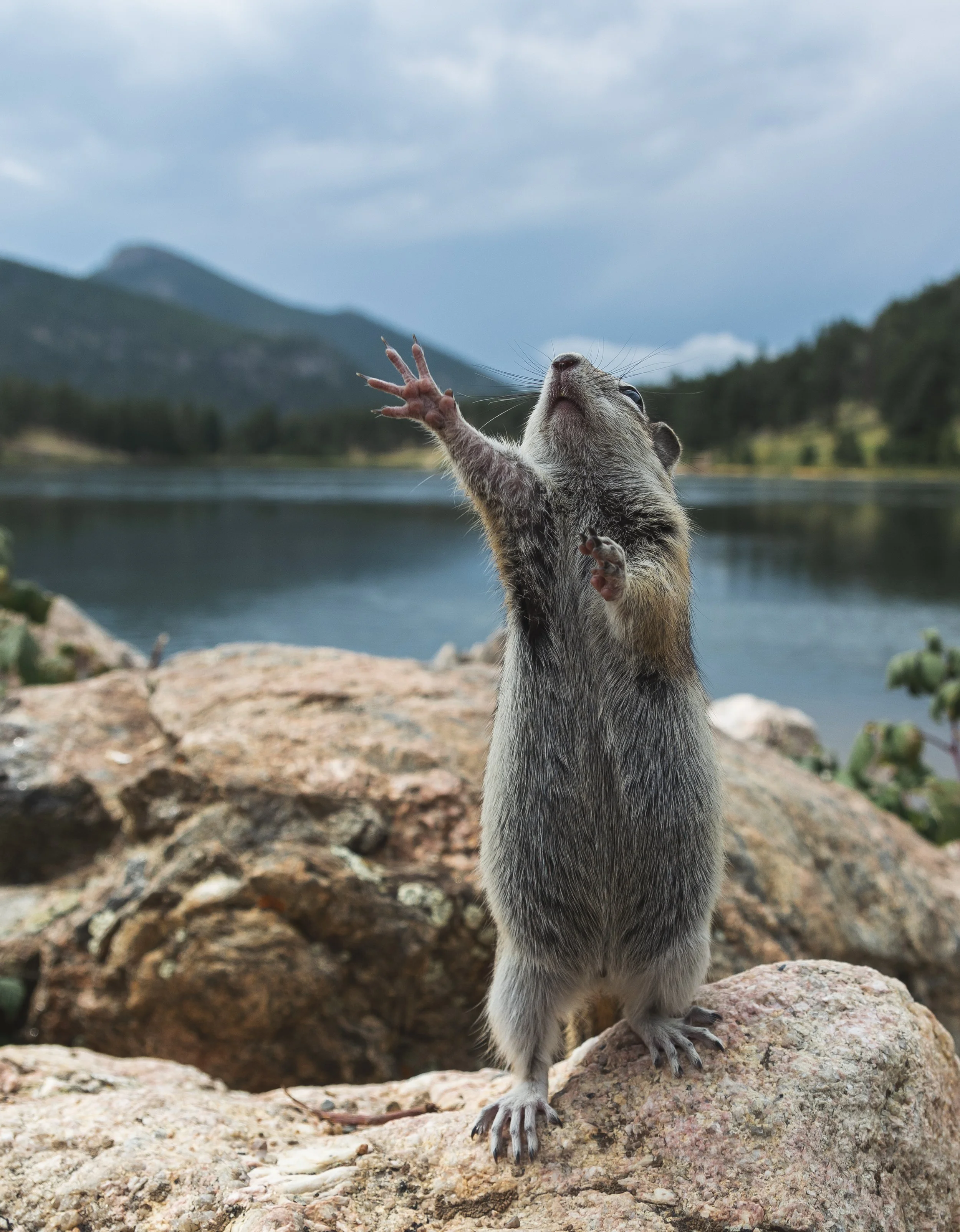
Wow! So cute, huh! First mammalian species. Love with fur :) Image by Freepik
175 million years ago
Pangea started to fracture and disperse due to tectonic plates
165 million years ago
Birds evolved from theropod dinosaurs during the Jurassic period, around 165–150 million years ago. However, the earliest known bird fossil is the 150-million-year-old Archaeopteryx.
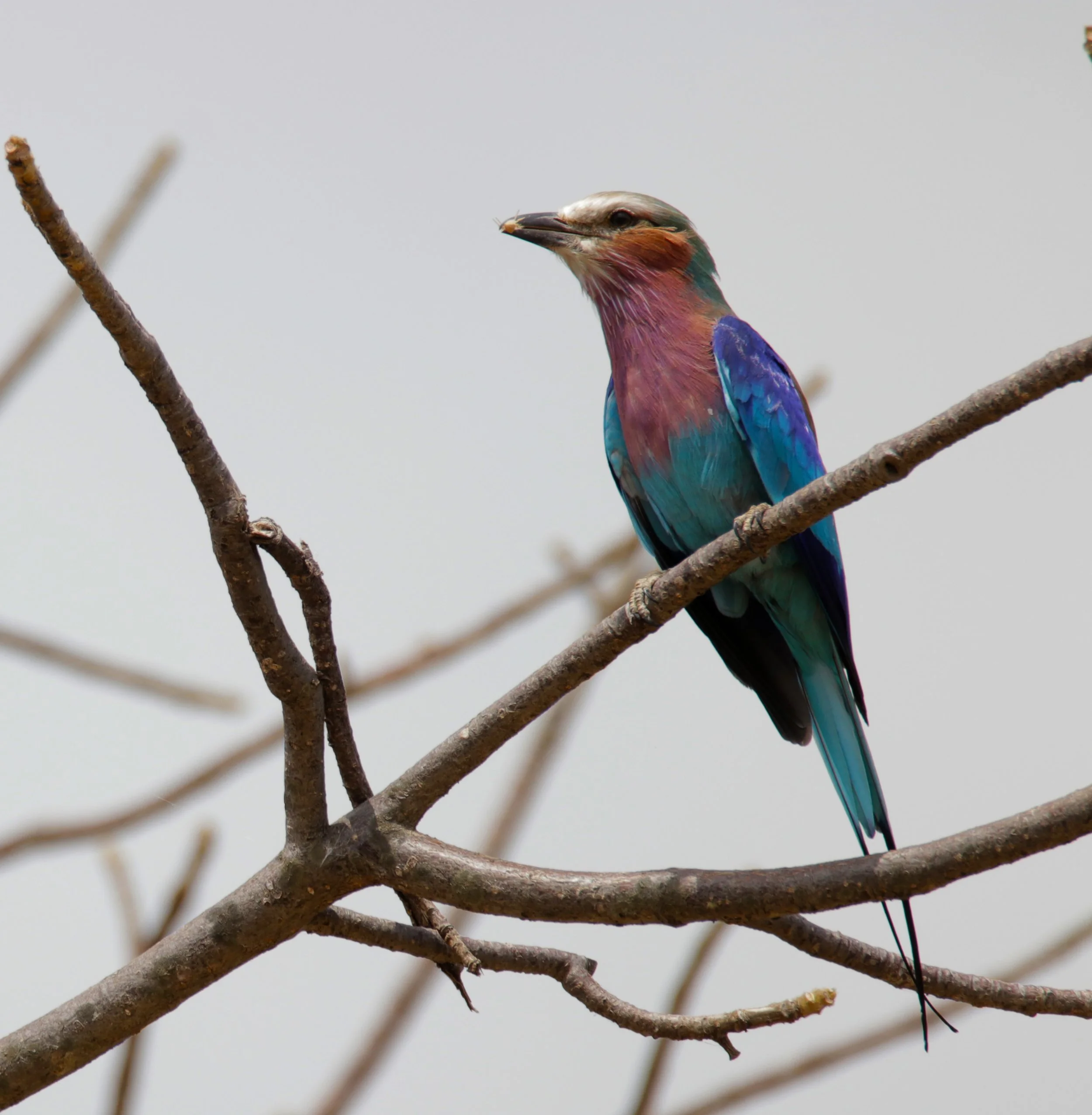
Whoah, the evolution of wings! And so much color. Wowowoweewow :)
Image by Freepik
124 million years ago
The first bees appeared around 124 million years ago, during the Early Cretaceous period. They likely originated in South America or Africa on the supercontinent of West Gondwana.
Did you know we need bees to survive?
“Without bees (and thousands of other insect species that call the UK home), it wouldn’t be long before our ecosystem collapsed. Bees pollinate our wild trees and wild flowers, which then support other insects, which then support birds, bats, mammals and everything up the food chain with food and shelter.” — Woodland Trust
Yet, we’re literally killing ourselves, because of pollution, bees are dying, so we are dying too. The Circle of Life.
“Worldwide bee species have declined significantly, with one study noting a 25% reduction in species between 2006 and 2015 compared to before 1990, though rates vary regionally and species of managed honeybees have generally increased. However, the number of bee colonies per person has dropped by over 23% globally, and climate change threatens to reduce the distribution of many bee species.” — Google AI
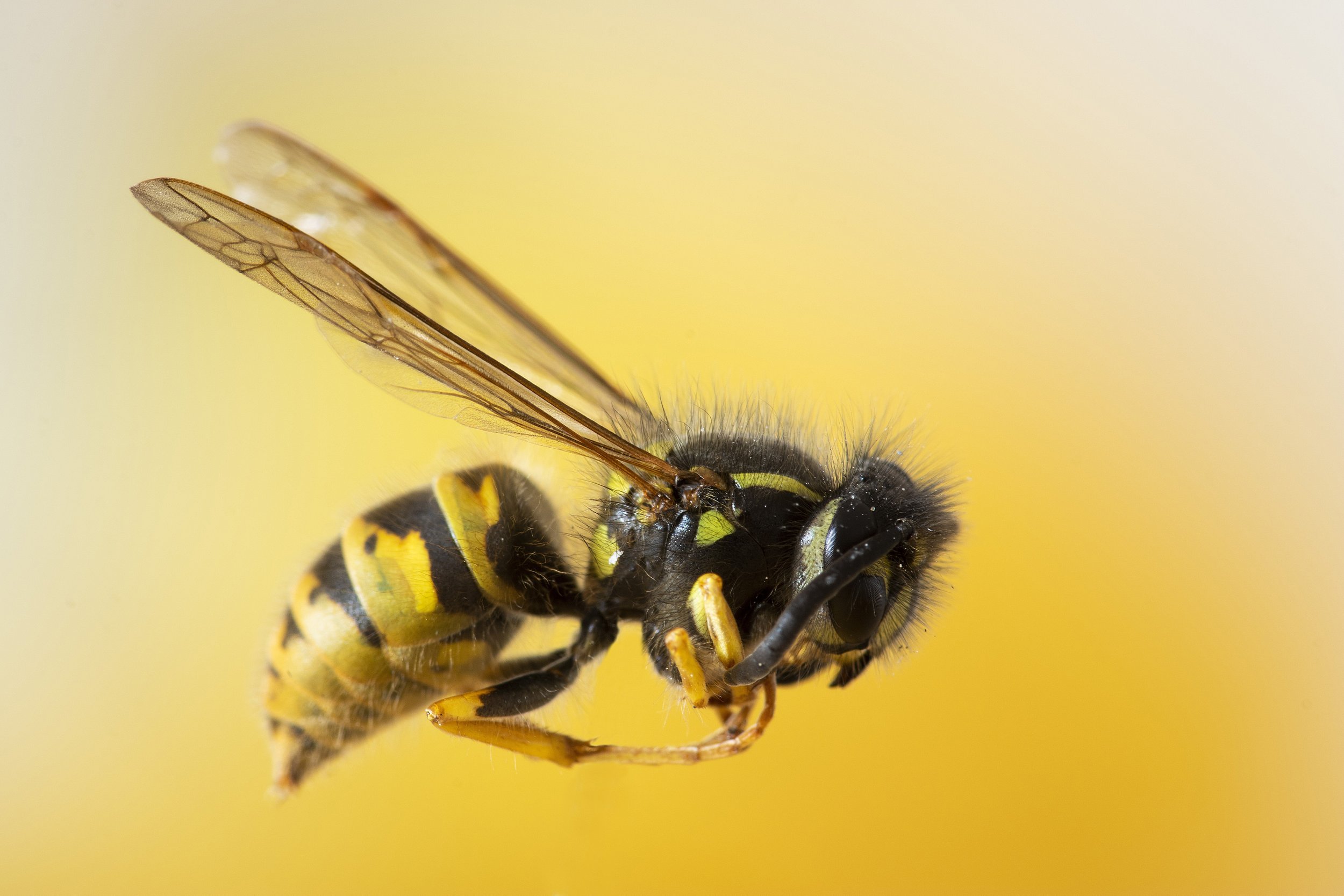
Wow, did you know that we need bees to survive?
Image by Freepik
100 million years ago
Butterflies first appeared on Earth around 100 million years ago in North or Central America. This was during the Cretaceous period, when dinosaurs were still dominant.
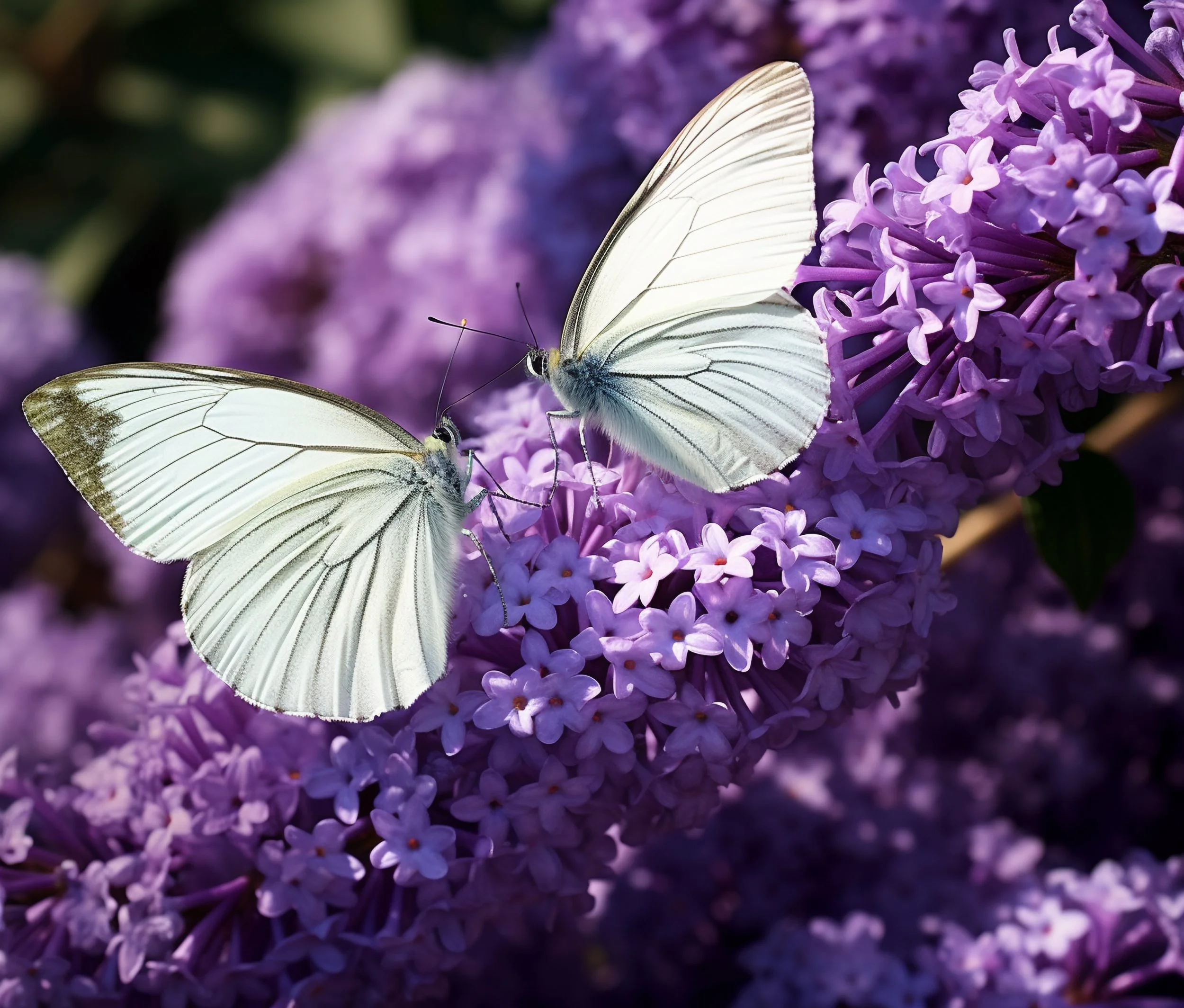
Aren’t butterflies beautiful and so unique?
Image by Freepik
However, unfortunately, we are not taking care of this precious Earth and animals. As I said, there’s like a malfunction in our brains that is not calculating the survival of animals nor our own species.
“Between 2000 and 2020, total butterfly populations fell by 22% across the 554 recorded species. Species level population declines are widespread with 13x as many species declining as increasing.” — Google AI
Butterflies are beautiful. Why are we not caring about our impact on the environment, ecology, the beauty of our planet, The Circle of Life, our own Survival?
66 milllion years ago
“A large asteroid impact played a significant role in the extinction of dinosaurs and many other plant and animal species that hit Mexico. Despite the widespread extinction, some species, including birds (who are direct descendants of theropod dinosaurs), mammals, reptiles, and certain types of plants, survived the extinction event. The surviving species were likely those that were smaller in size, had diverse diets, or were able to adapt to the changing environmental conditions.” — Google AI
65 million years ago
Rodents, which include mice, have been around for at least 56 million years. The first rodents likely evolved from a small mouse-like mammal that lived around 65 million years ago.
60 million years ago
The earliest known Elephant ancestors, called proboscideans, first appeared in Africa around 60 million years ago.
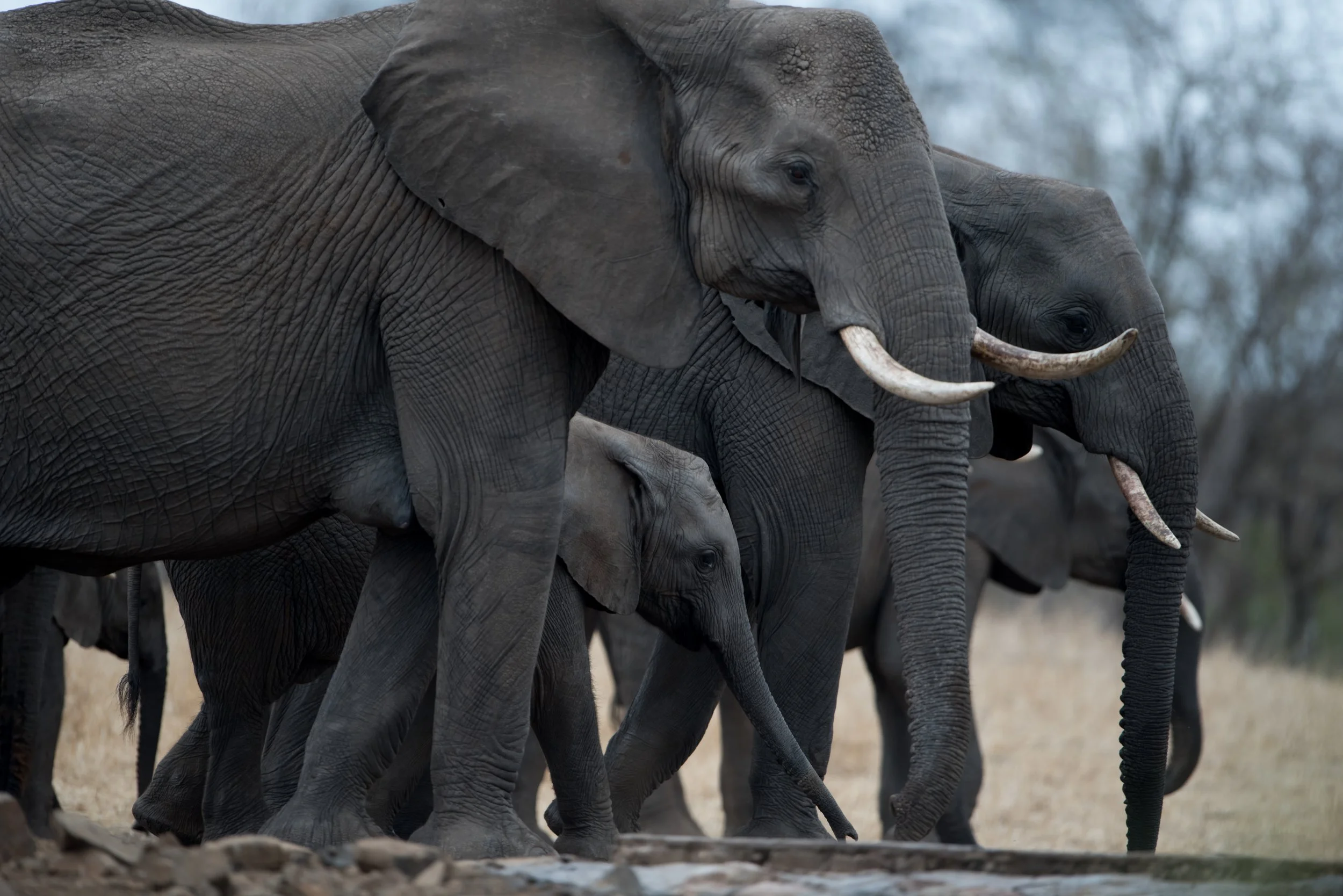
Wow, incredible species, extremely intelligent too. Caring for their young and the survival of their species. Maybe one day us too?
Image by Freepik
55 million years ago
The first primates, which include the ancestors of modern monkeys, apes, and humans, appeared in the fossil record around 55 million years ago. These early primates were mouse-sized and lived in forests across Asia, Europe, and North America. It is theorized that they rafted on vegetation and debris, floating hundreds of miles across oceans to Africa to then become apes?
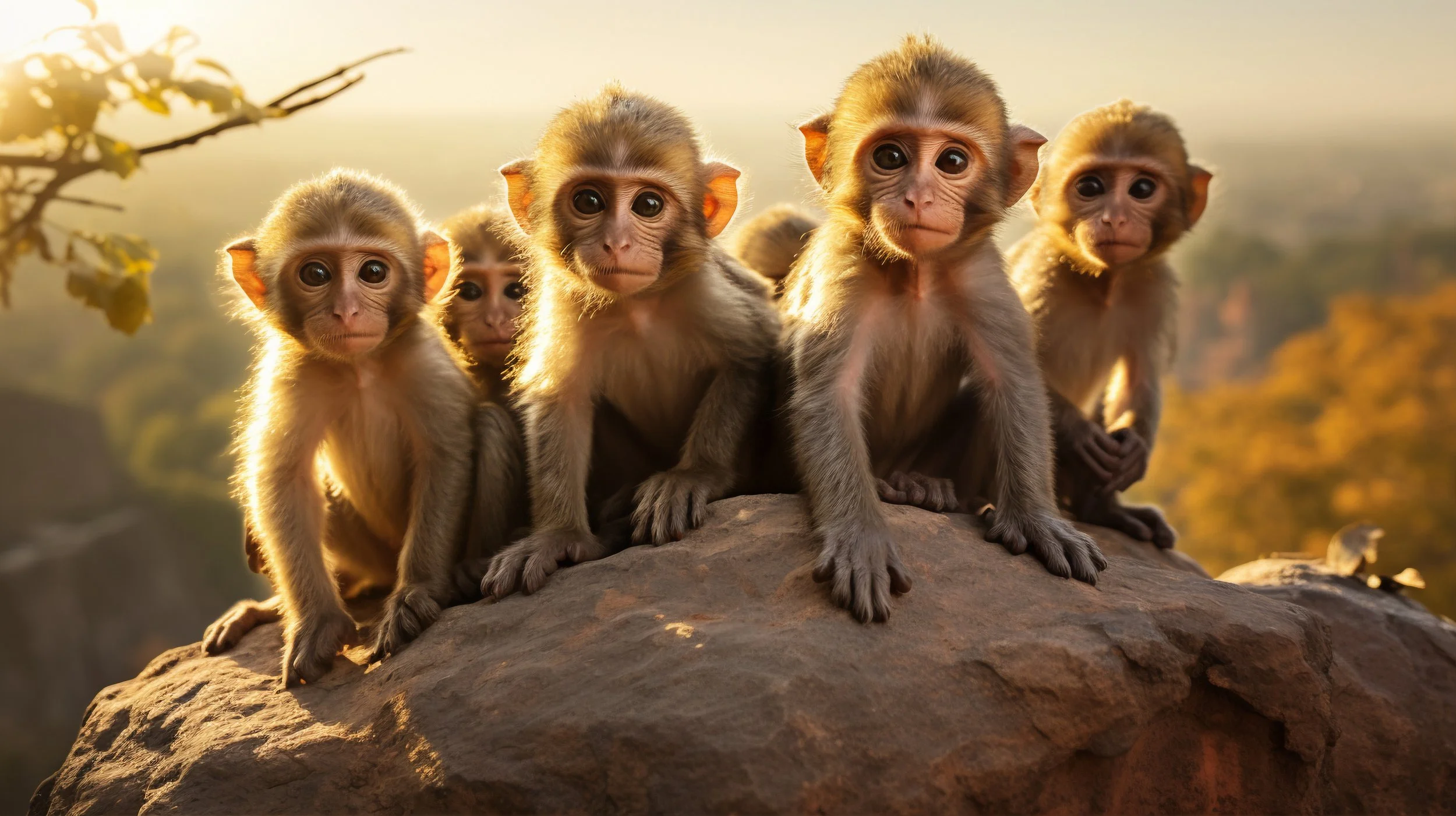
Look at those eyes. Wow. Our first ancestors! Our Monkey/Ape Family! ❤
Image by Freepik
50 million years ago
Whales first appeared on Earth about 50 million years ago. This was during the Eocene epoch, after the extinction of the dinosaurs but before the first humans.
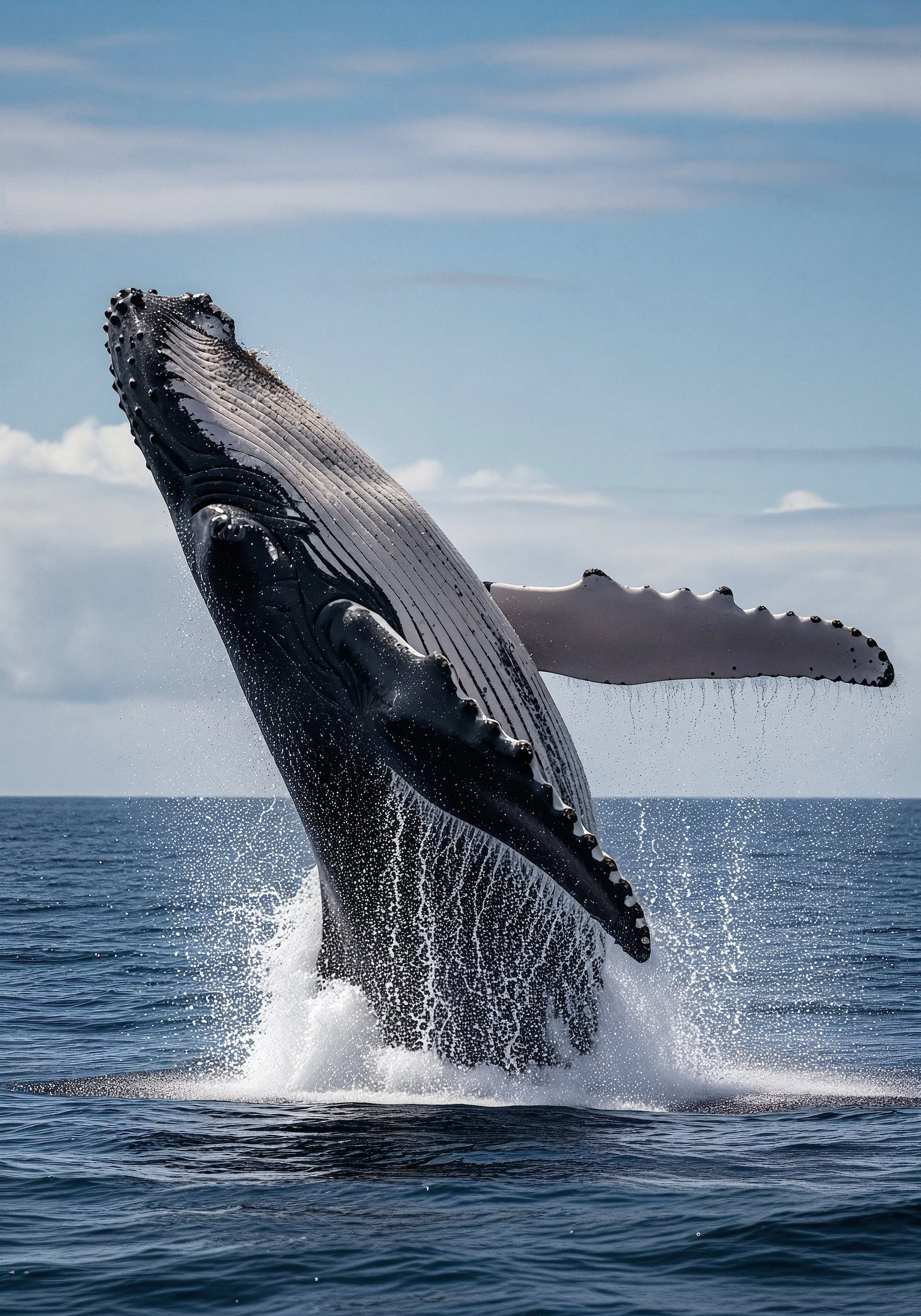
Did you know that whales (and dolphins are mammals? They breathe oxygen in the air!
Image by Freepik
40 million years ago
Monkey-like fossils appear in Africa around 40 million years ago. However, the oldest true primates are not African.
25 million years ago
Apes first appeared in Africa around 25 million years ago. The earliest known ape is the Proconsul, which lived in East Africa 20 million years ago.
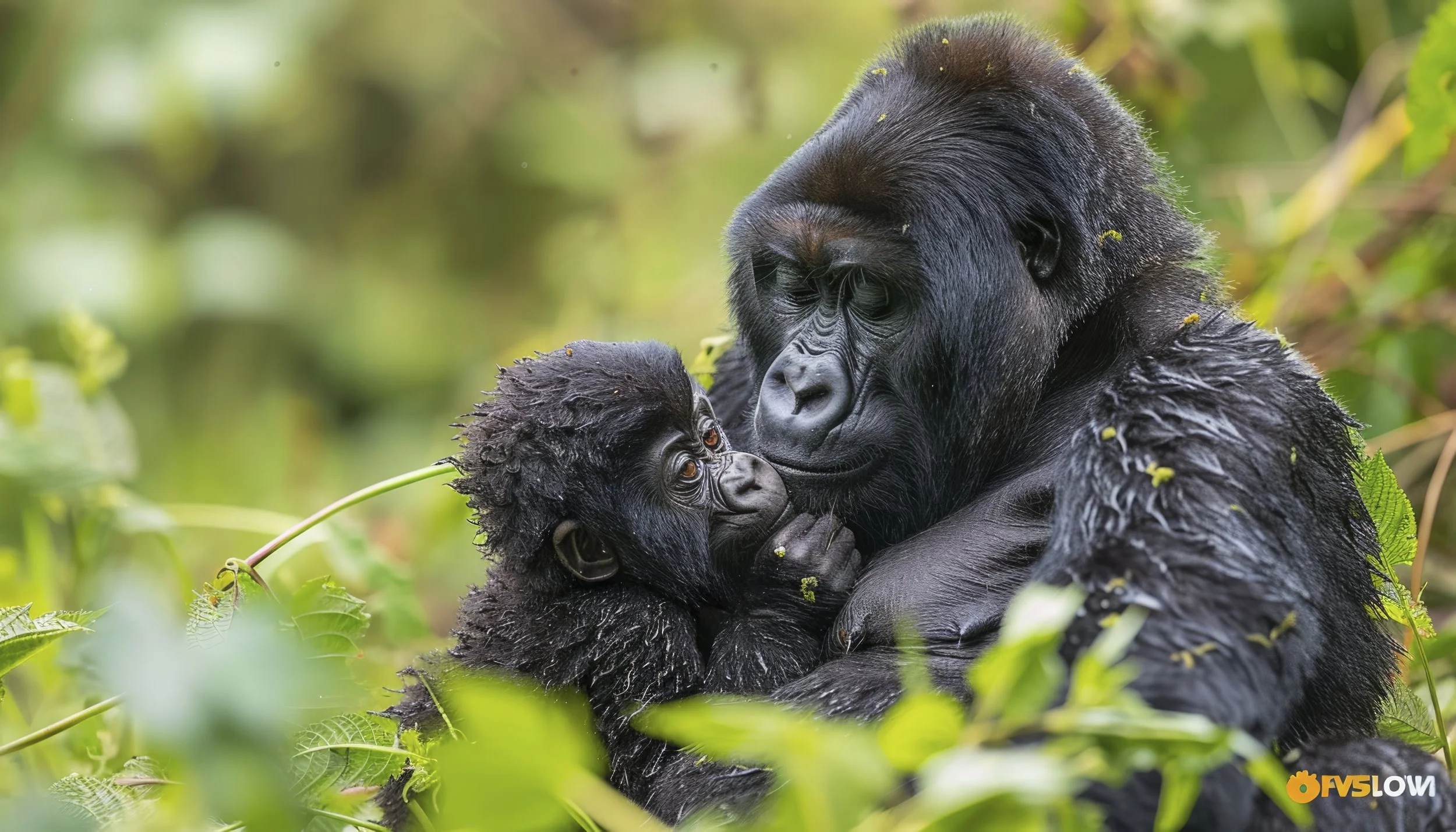
How beautiful! Another of our original ape ancestors, gorillas. Our Ape Family! ❤
Image by Freepik
25 million years ago
Proailurus, an ancient cat species that eventually evolved into Lions
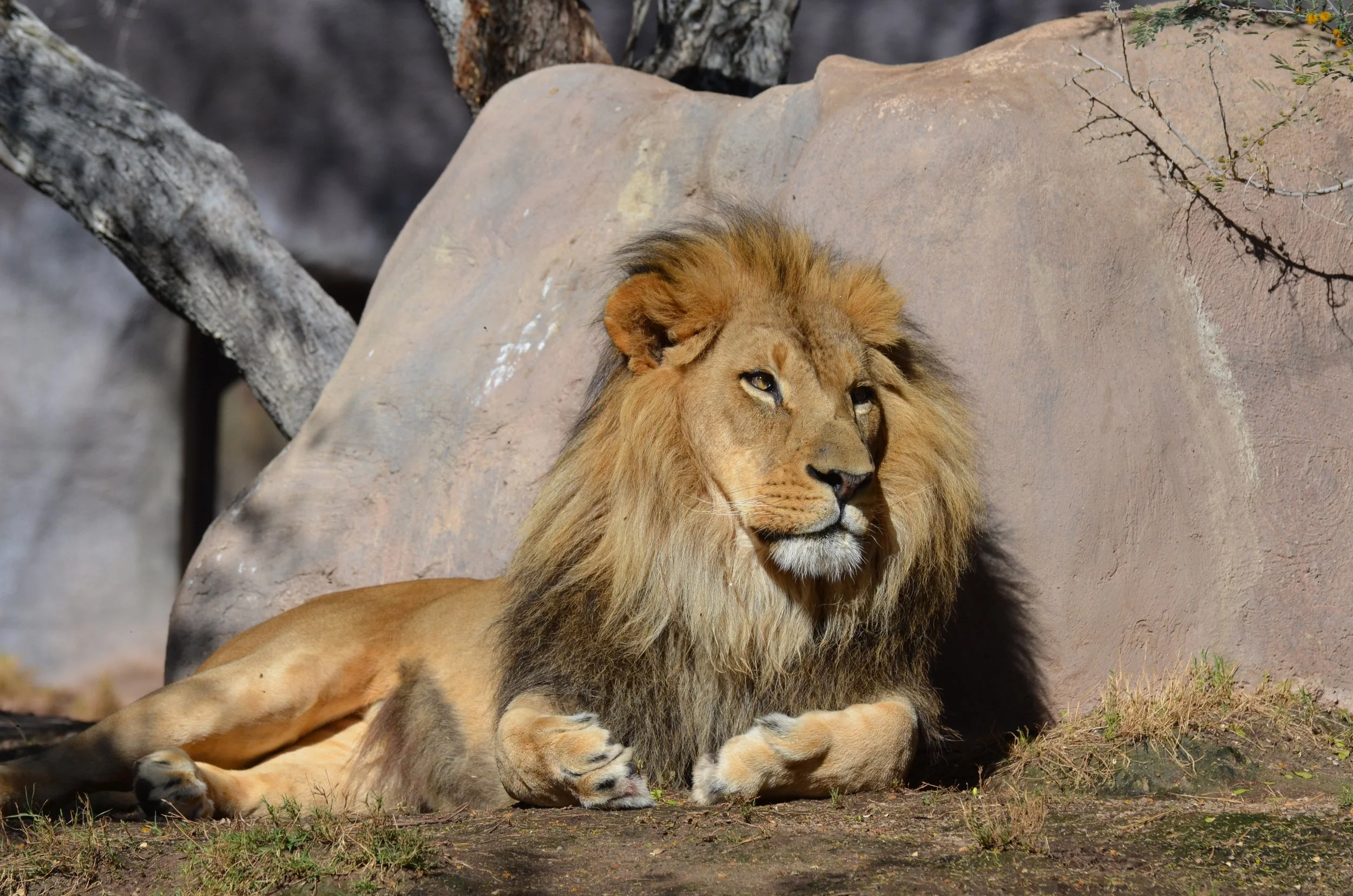
Elegant animal. Wow. Image by Freepik
12 million years ago
The genus Gorilla first appeared between 8.8 and 12 million years ago. This was when the group of primates that would evolve into gorillas split from their common ancestor with humans and chimps.
8 million years ago
Chimpanzees likely evolved between 5 and 8 million years ago, around the same time that humans and chimpanzees shared a common ancestor.
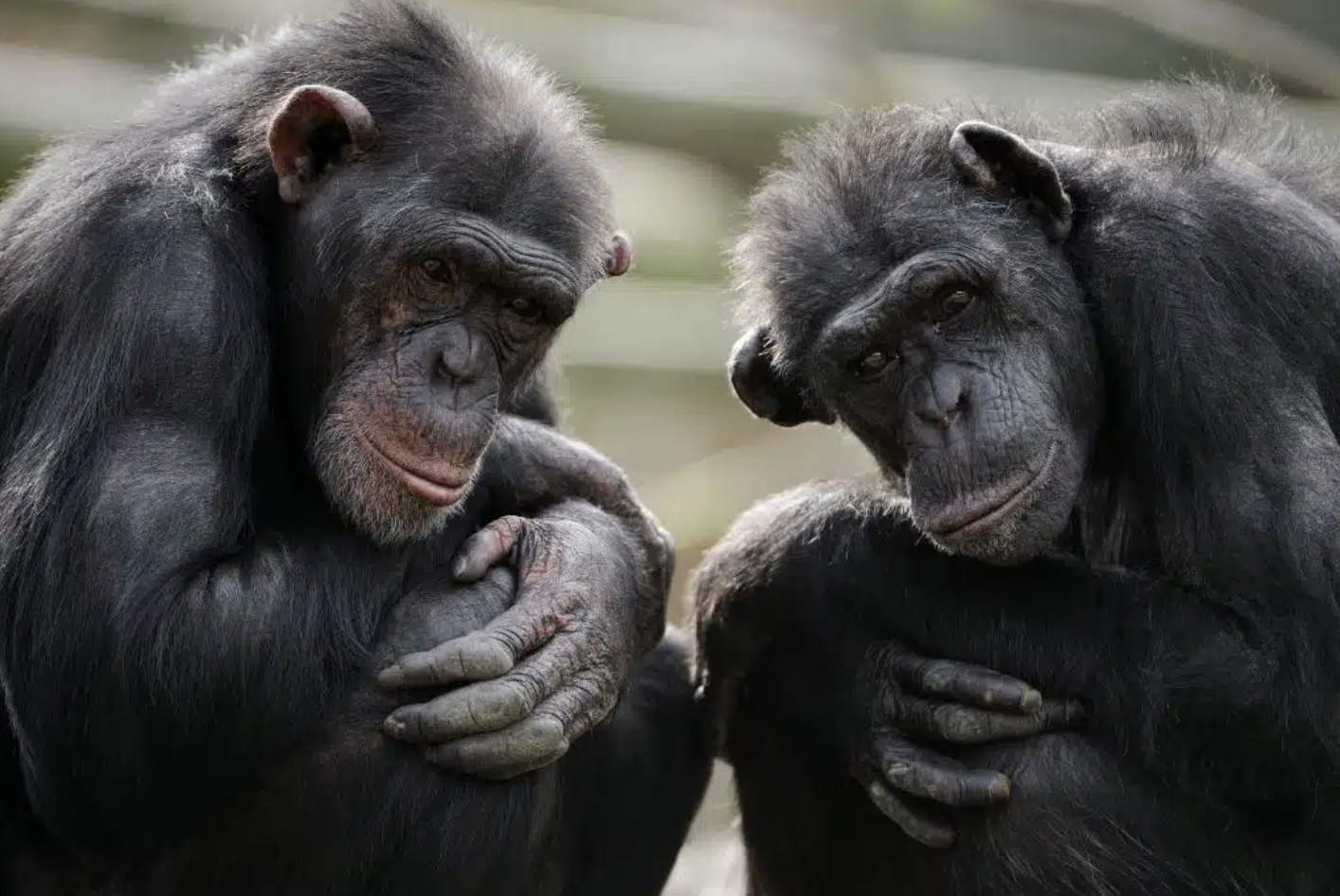
Chimpanzees, along with Bonobos, are who we evolved from. Our Ape Family. ❤
Image by Freepik
6 million years ago
The earliest mammoths appeared in Africa around 6.2–5.3 million years ago. The earliest known species is Mammuthus subplanifrons. They crossed Beringia into North America about 100,000 years ago. “Mammoths went extinct due to a combination of factors, primarily climate change, habitat loss, and human hunting.”
5–2 million years ago
The earliest Lion-like cats appeared in East Africa around 5 million years ago. The earliest fossils of Lions that are recognizable were found in Tanzania and are estimated to be up to 2 million years old.
2.6 million years ago
Bison first appeared in Asia around 2.6 million years ago. They migrated to North America between 195,000 and 135,000 years ago.
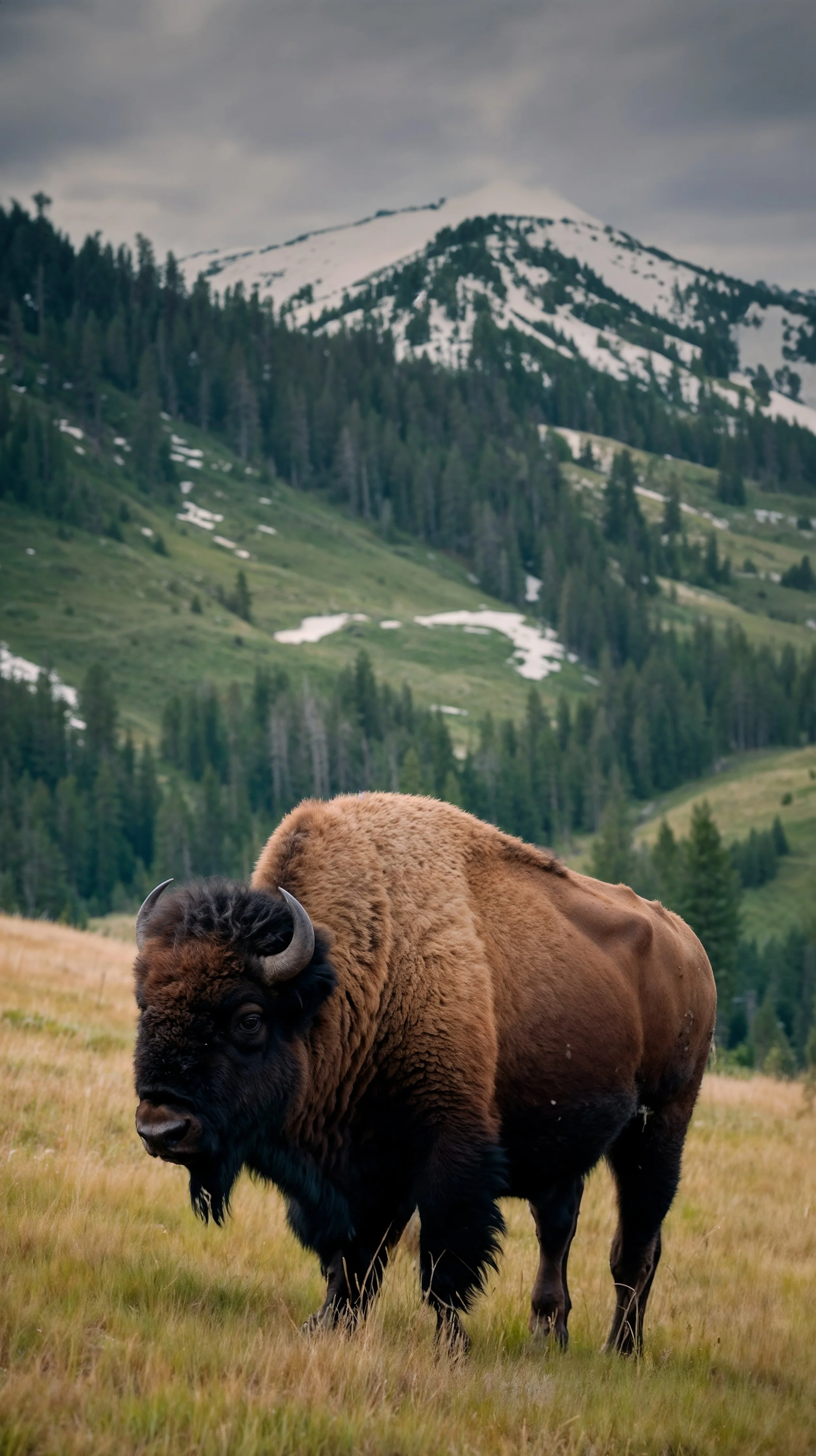
Incredible animal! Beautiful mountains!
Image by Freepik
1.7 million years ago
The bonobo species diverged from the common chimpanzee line about 1.7 million years ago. This means that bonobos are closely related to chimpanzees, and both are sister species. The Congo River is believed to have formed between 1.5 and 2 million years ago, separating and leading to the divergence of chimpanzees and bonobos.
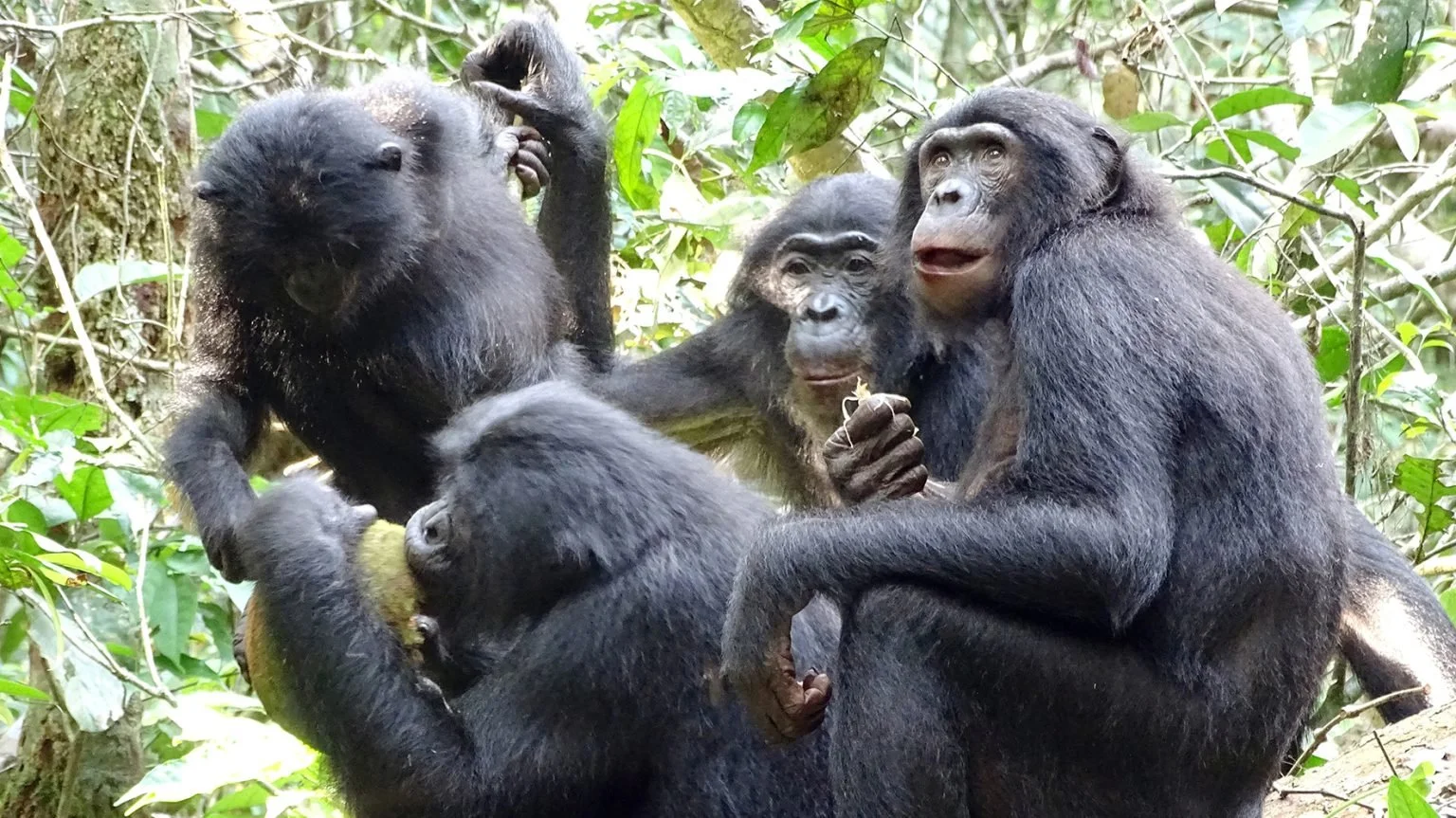
Here is a photo of Bonobos, along with Chimpanzees, are who we evolved from.
Our Ape Family! ❤
Image by Freepik
1 million years ago
Wolves first appeared in Eurasia about one million years ago. They evolved from smaller dog-like canids that were native to the region.
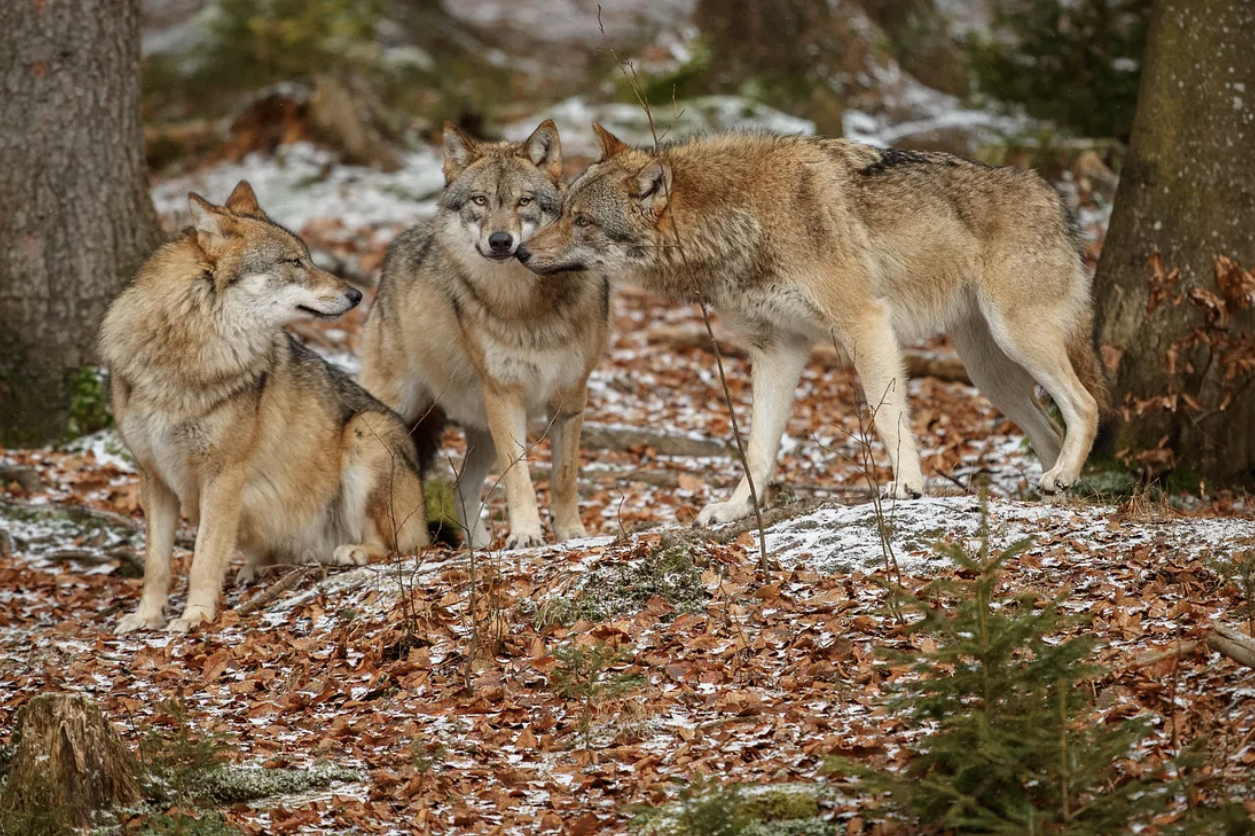
Eurasian Wolves. Extravagant. Extremely intelligent animals too. Image by Freepik
300,000 years ago
Homo sapiens, the species that includes all modern humans, first appeared in Africa around 300,000 years ago.
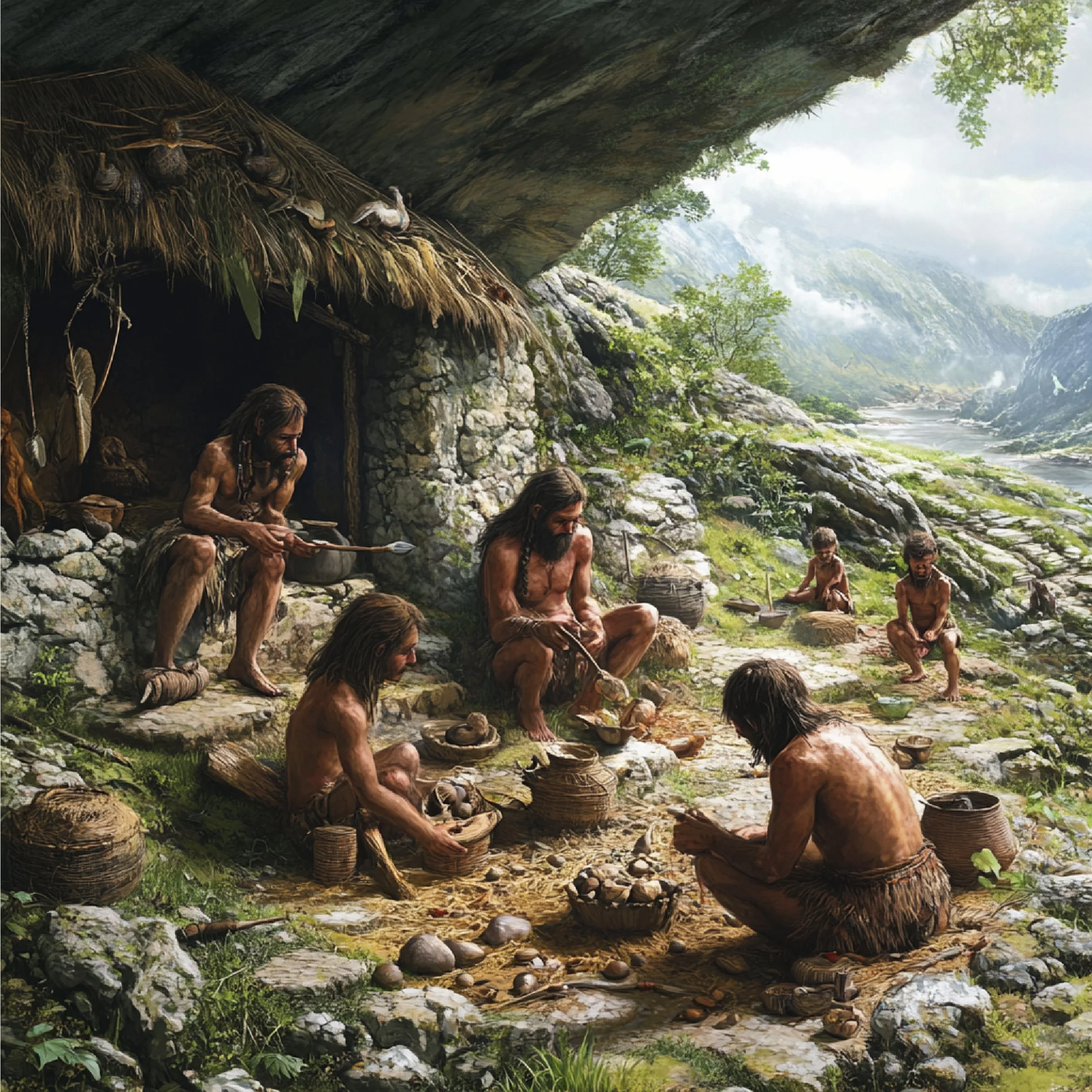
Tribal Family. Don’t we miss that bonding? Industrialism can be lonely, huh? ❤
Image by Freepik
30,000 years ago
People starting migrating across the Bering Land Bridge into America; i.e. they became the indigenous people of North and South America, living with the Earth.
Notice this large difference in the timeline, from 300,000 years to 30,000 years to 1,500 years ago.
1,492 years ago
People started “migrating” i.e. “colonizing” America from Europe. This devastated the local indigenous population. There was genocide. There were diseases spread that killed millions. These indigenous people are still struggling today and many have forgot about their ancient intelligent civilizations. The Lakota, The Mayans, The Aztecs, and The Incans all had extremely advanced knowledge. The Europeans had no idea. So a lot of that ancient knowledge is lost. Huge bummer. Some archaeologists and people interested in science, spirituality, and culture are trying to uncover these ancient secrets they discovered about our universe. Thank you!
Conclusion
It is helpful to upgrade your consciousness to a new level of understanding that homo sapiens are new to the earth compared to other animals. And now we’re destroying these precious creatures and ourselves. Again, we are literally killing ourselves.
I believe we are disconnected from the earth, animals, and the environment due to industrialization and urbanization, and many other factors that scientists could study. These buildings have separated us from Life Herself and put us in boxes of superficiality instead of being caring individuals for the world and its animals, plants and people.
“The Amazon rainforest is now emitting more carbon dioxide than it is able to absorb, scientists have confirmed for the first time. The emissions amount to a billion tonnes of carbon dioxide a year, according to a study. The giant forest had previously been a carbon sink, absorbing the emissions driving the climate crisis, but is now causing its acceleration, researchers said. Most of the emissions are caused by fires, many deliberately set to clear land for beef and soy production. But even without fires, hotter temperatures and droughts mean the south-eastern Amazon has become a source of CO2, rather than a sink. Growing trees and plants have taken up about a quarter of all fossil fuel emissions since 1960, with the Amazon playing a major role as the largest tropical forest. Losing the Amazon’s power to capture CO2 is a stark warning that slashing emissions from fossil fuels is more urgent than ever, scientists said.” — The Guardian
I think it’s time we create a Caring, Preventative and Proactive, Survival Consciousness! Yikes!
Bible Verses from God about The Environment and Animals and Plants that may inspire you to be a good steward of this earth:
Genesis 2:15:
“The Lord God took the man and put him in the garden of Eden to work it and take care of it”.
Genesis 1:26
“Then God said, ‘Let us make mankind in our image, in our likeness, so that they may care over the fish in the sea and the birds in the sky, over the livestock and all the wild animals, and over all the creatures that move along the ground.’”
Numbers 35:33:
“Do not pollute the land where you live, for blood pollutes the land, and no atonement can be made for the land for the blood that is shed in it, except by the blood of the one who shed it.” (reminds me of karma in Hinduism, the cycle of birth and death because of one’s sins)
Psalm 24:1:
“The earth is the Lord’s and everything in it, the world, and all who live in it”.
Psalm 89:11
“The heavens are yours, and yours also the earth; you founded the world and all that is in it.”
Proverbs 12:10
“The righteous care for the needs of their animals.”
Jeremiah 2:7:
“I brought you into a fertile land to eat its fruit and rich produce. But when you came in, you defiled my land and made my heritage an abomination”.
Ephesians 1:8–10
“With all wisdom and understanding, he made known to us the mystery of his will according to his good pleasure, which he purposed in Christ, to be put into effect when the times reach their fulfillment — to bring unity to all things in heaven and on earth under Christ.”
Revelation 4:11
“You are worthy, our Lord and God, to receive glory and honor and power, for you created all things, and by your will they were created and have their being.”
My solutions for the world and this Environmental Emergency can be found on my Website or on Medium. I welcome your thoughts, collaboration, and feedback!
Written by
Ashley Heacock, Researcher, Writer, Mentor, Guide
MIT Sloan School of Management, MBA
Harvard Kennedy School of Government, MPA
The George Washington University, BA Economics, BA International Affairs
Contact: ashleyheacock@gmail.com
Website: awakeningconsciousness.community
If you would like to, you can read more about this Environmental Emergency in my article here, Life Herself is Dying.