World Evolution of Homo Sapien’s Spirituality and Culture (Evolution Series Part III)
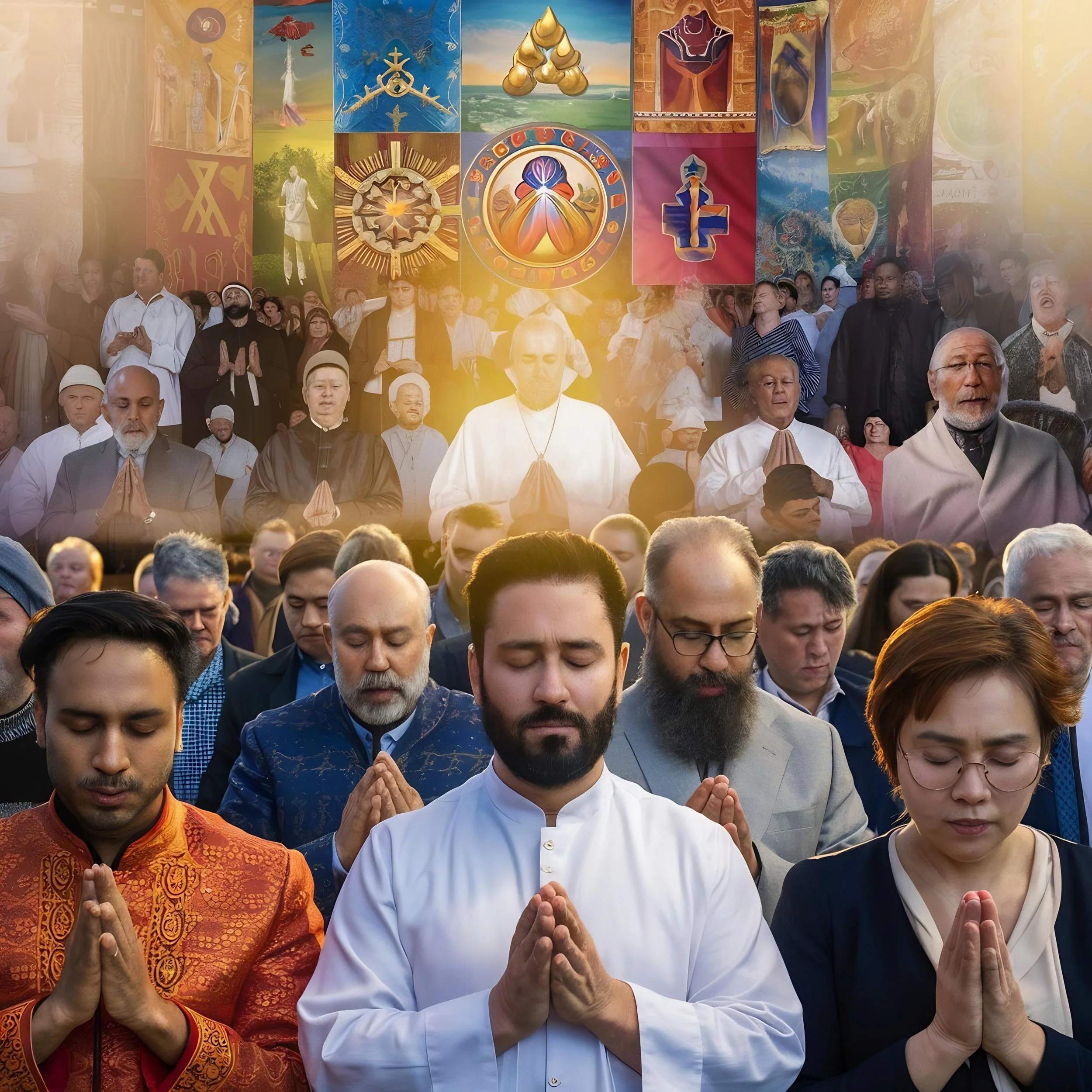
This article is about the evolution of our spirituality. Our desire to care for each other. Our ability to understand life and the universe. To question. To Become.
Image by Freepik
(You can also listen to this on Apple Podcasts here.)
I am fascinated by our earth and the evolution of animals and our species. I took two classes on evolution at Harvard, and one was PHD-level. I’ve continued my fascination with this topic, and have been documenting the evolution of animals and homo sapiens. I thought I’d share my research with you all.
As most of you know, humans first evolved in Africa, and most of human evolution occurred there. You may not know though, that the evolution of Homo Species began with Chimpanzees and Bonobos mating around 8,000,000 BC, or eight million years ago.
The first early humans migrated out of Africa into Asia between 100,000 years ago, and into Europe between 50,000 years ago.
The modern human species, Homo Sapiens, evolved and coexisted with other ape species, including:
Neanderthals
Homo Heidelbergensis
Homo Erectus
Homo Floresiensis
Homo Ergaster
Homo Erectus Sensu Lato
Homo Habilis
Homo Rudolfensis
Paranthropus Boisei
Australopithecus (4.18–2 million years ago)
However, Homo Sapiens are now the only surviving human species. We obviously though contain some of these gene codes from these different ape species above that evolved from chimpanzees and bonobos. Plus, we have migrated around the earth due to trade, war, the environment, etc. So that means our DNA is super complex and diverse.
This article is also about the evolution of our spirituality. Our desire to care for each other. Our ability to understand life and the universe. To question. To Become.
Here is Our Homo Sapien Timeline:
8,000,000 BC
Evolution of Homo Species from Chimpanzees and Bonobos began
4,180,000 BC
Australopithecus, brains 35% of modern homo sapien brain
2,500,000 BC
Homo Rudolfensis, Africa
2,400,000 BC
Homo Habilis, first species to make stone tools, Africa, this allowed for hunting animals, freeing up time for us to do and think and feel other things
2,300,000 BC
Paranthropus Boisei, Africa
Homo Sapians began cooking around 1.8 million years ago, a major turning point in human evolution, freeing up time to do and think and feel other things
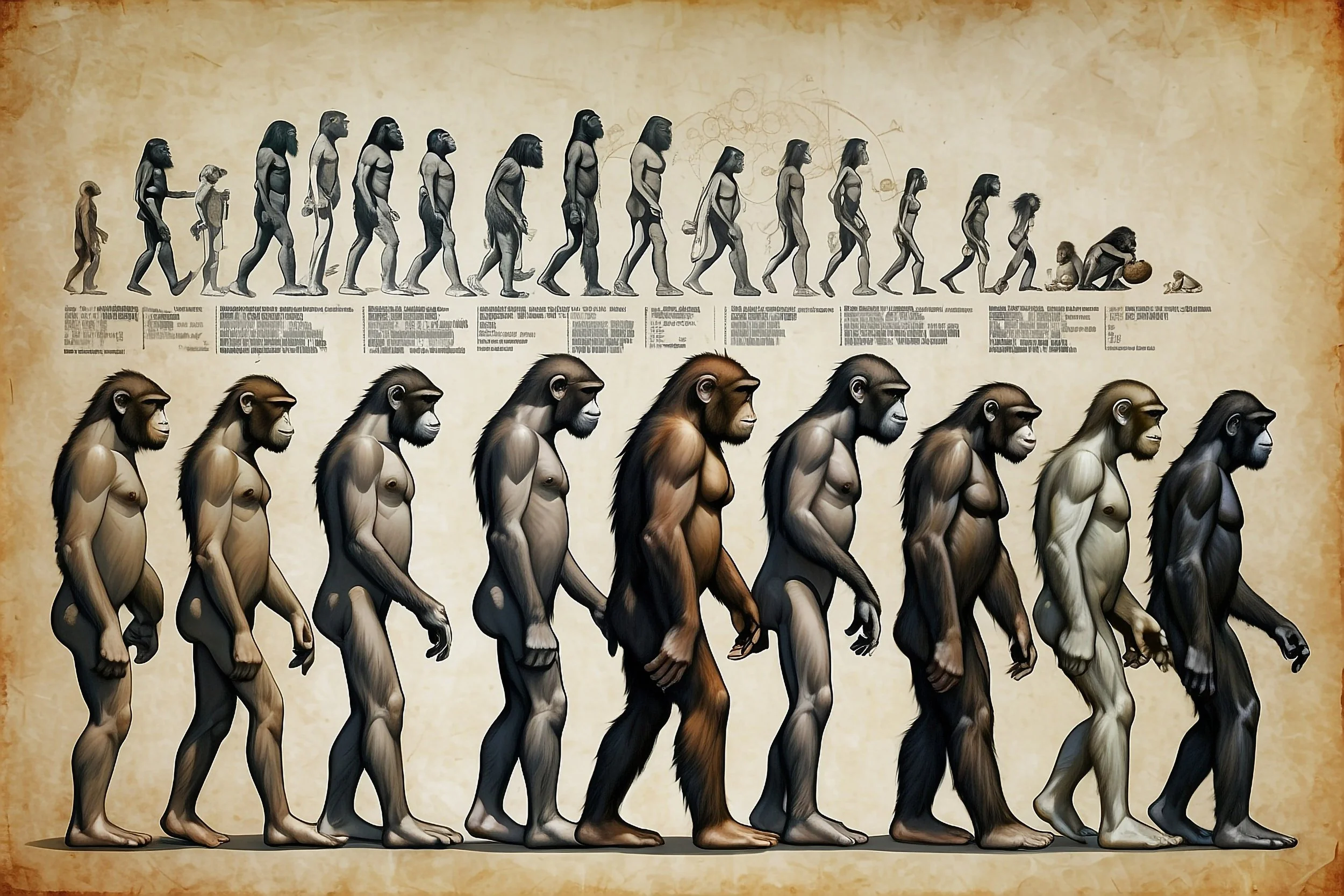
There were many unique ancestries of Homo Sapiens from many different types of Apes.
Image by Freepik
1,800,000 BC
Homo Ergaster, Africa
Similar to
Homo Erectus Sensu Lato and Stricto, Asia
500,000 BC
Anunnaki, extraterrestrials, arrived on Earth, eventually changing some people’s DNA to create laborers for mining gold for their own planet that was in need and had some ecological challenges.
430,000 BC
Neanderthals, Europe and Asia
300,000 BC
First Homo Sapiens, Africa
190,000 BC
Homo Florensiensis, in Asia, faced starvation and deformations
100,000
Brain Shape of Homo sapiens essentially modern
100,000 BC
Earliest Known Human Burial in Middle East
Wow, this is a unique and special turning point. Isn’t it interesting that it is where the Abrahamic Faith also began?
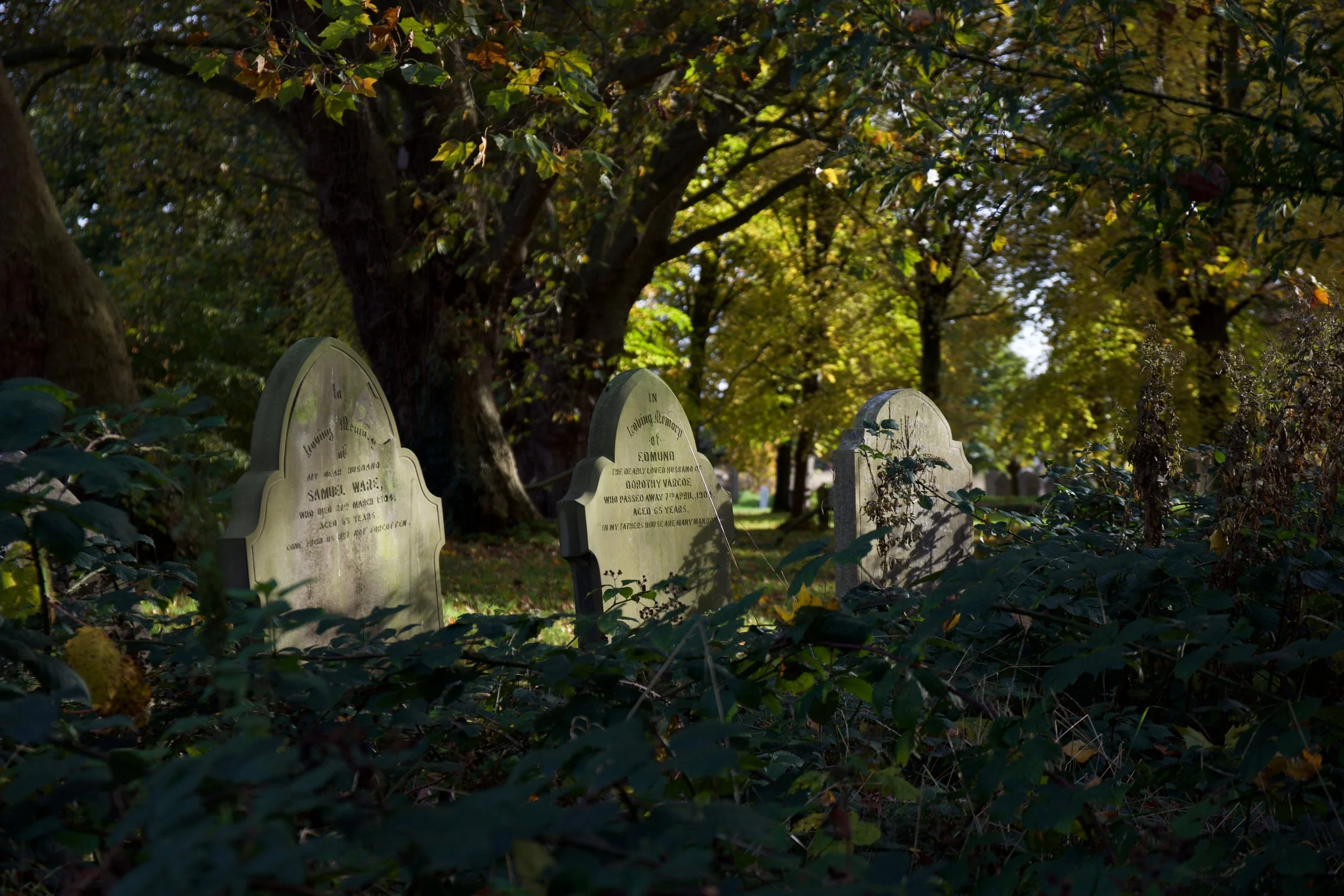
Homo-Sapien-Apes first started burials. The beginning of spirituality?
Image by Freepik
30,000 BC
Native Americans Immigration to America
14,000 BC
Queen Nefertiti and King Akhenaten promoted Atenism, Sun God, monotheism
10,000 BC
Baghor Stone of the Kali Yantra in India
This seems like a special time period where spirituality and our understanding of life and this universe was increasing.
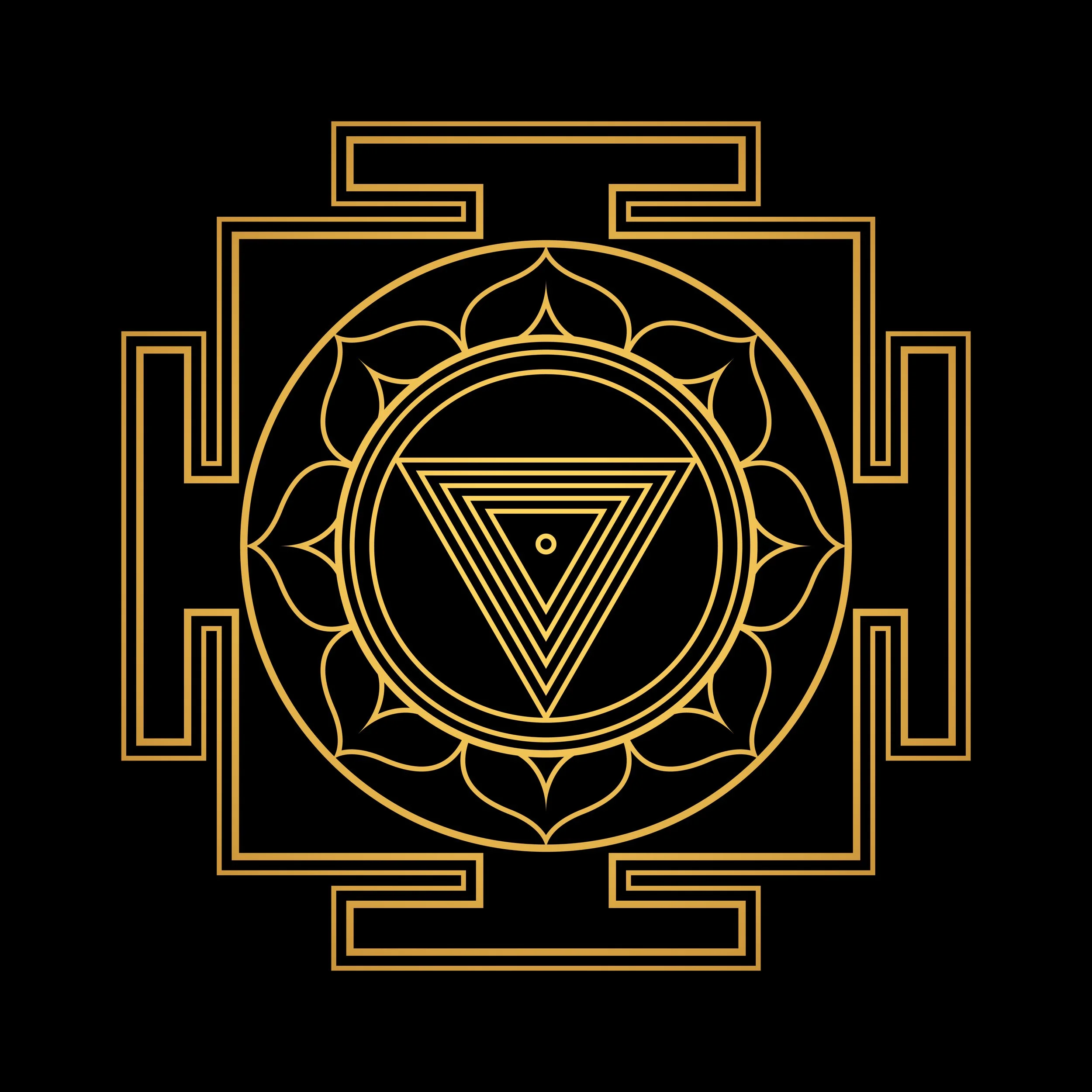
Kali Yantra, Image by. Freepik
9,000 BC
Tetragrammaton, the four-letter name of God in Hebrew; also includes opposites, elements, and other esoteric knowledge
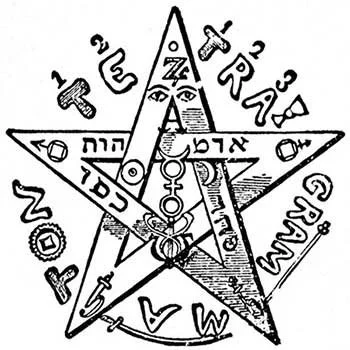
Tetragrammaton; Learn more about this sacred symbol here.
5,000 BC
Ayn Ghazal Statues made in Jordan
4,000 BC
Ancient Egyptians who had numerous scientific and spiritual discoveries
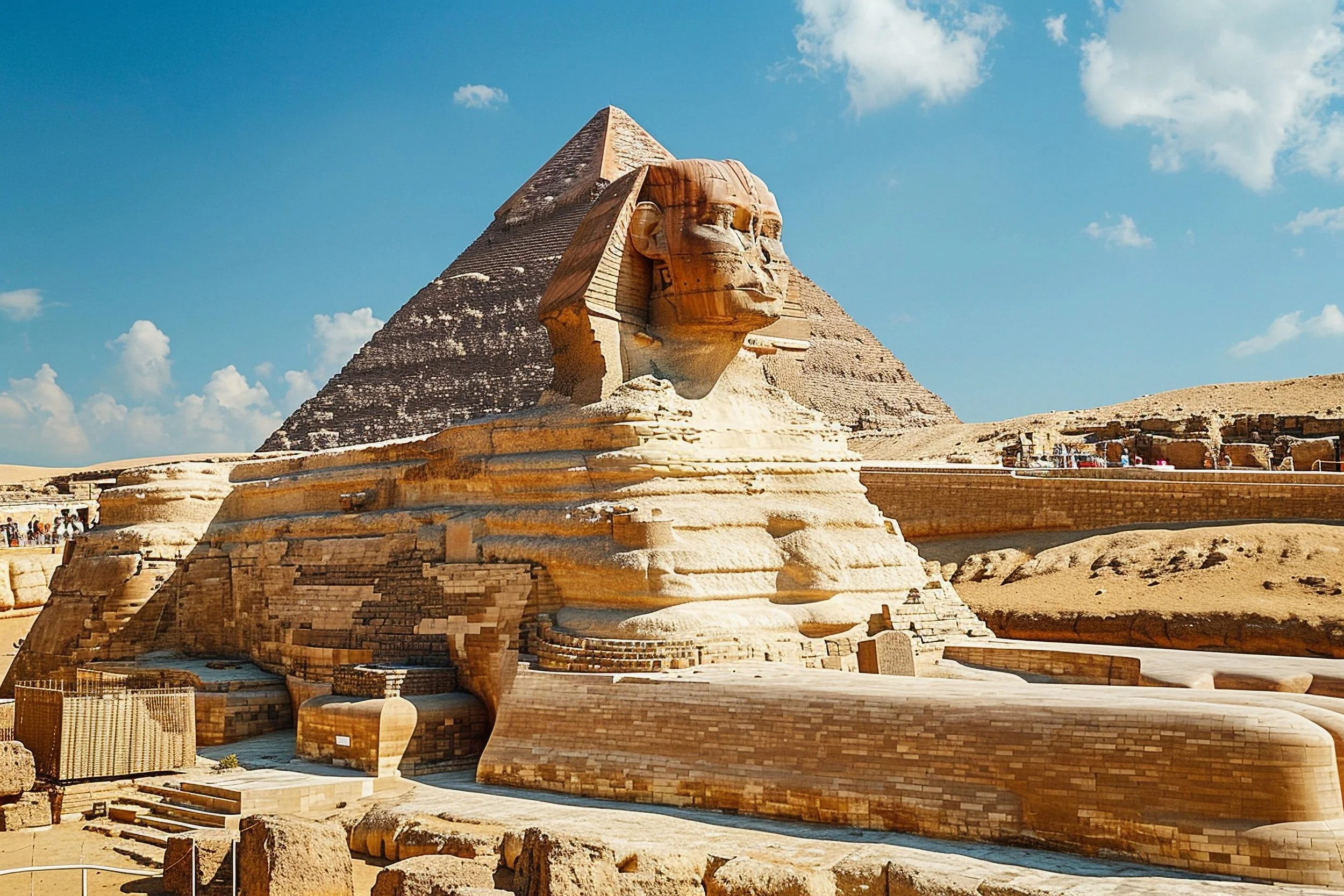
Spinx and Pyramids of Ancient Egypt; Image by Freepik
4,000 BC
Hinduism, which discovered the Law of Karma of the Universe and many other fascinating spiritual insights
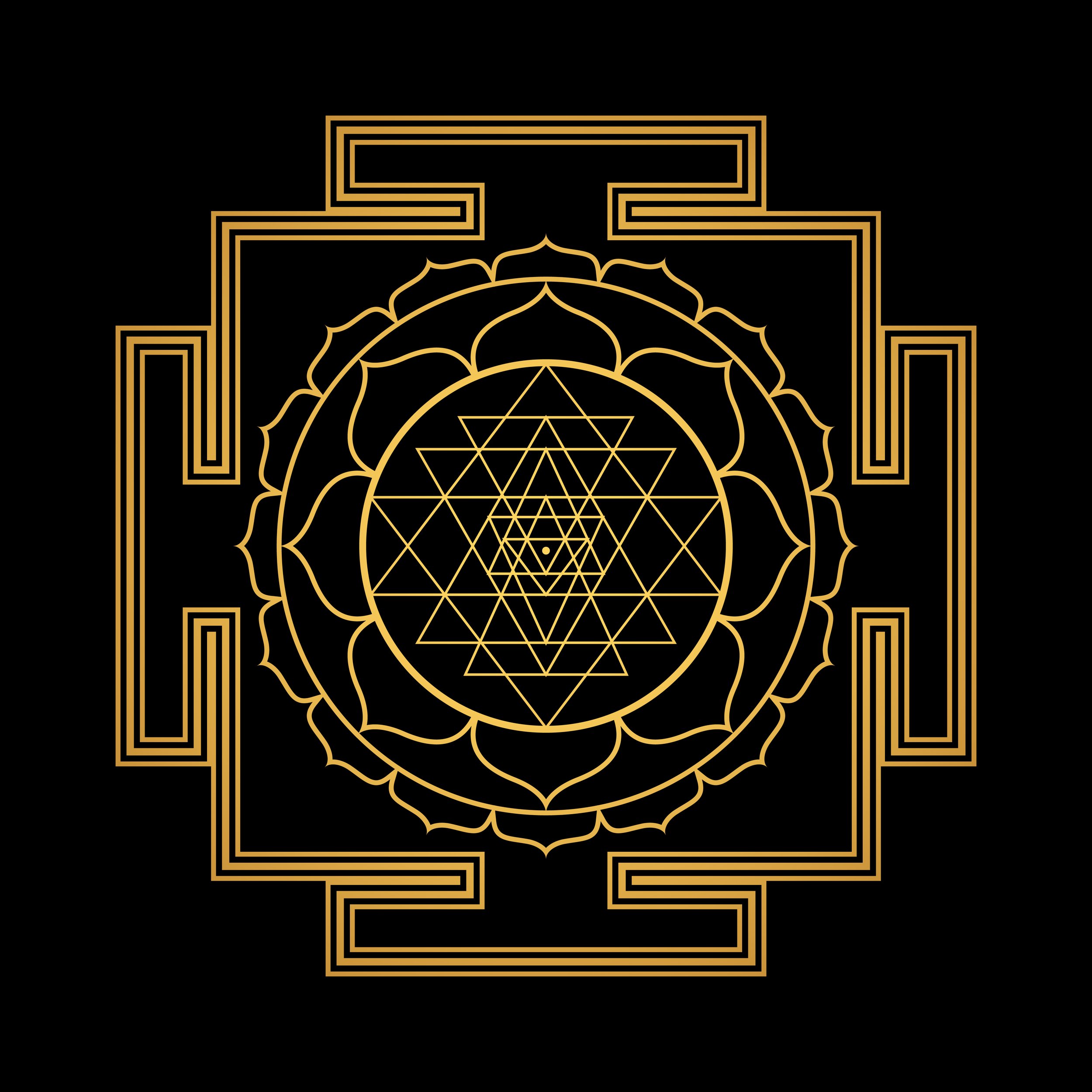
Sri Yantra; Hindus understood there’s Sacred Geometry in the Universe.
Image by Freepik
3,100 BC
Stonehenge
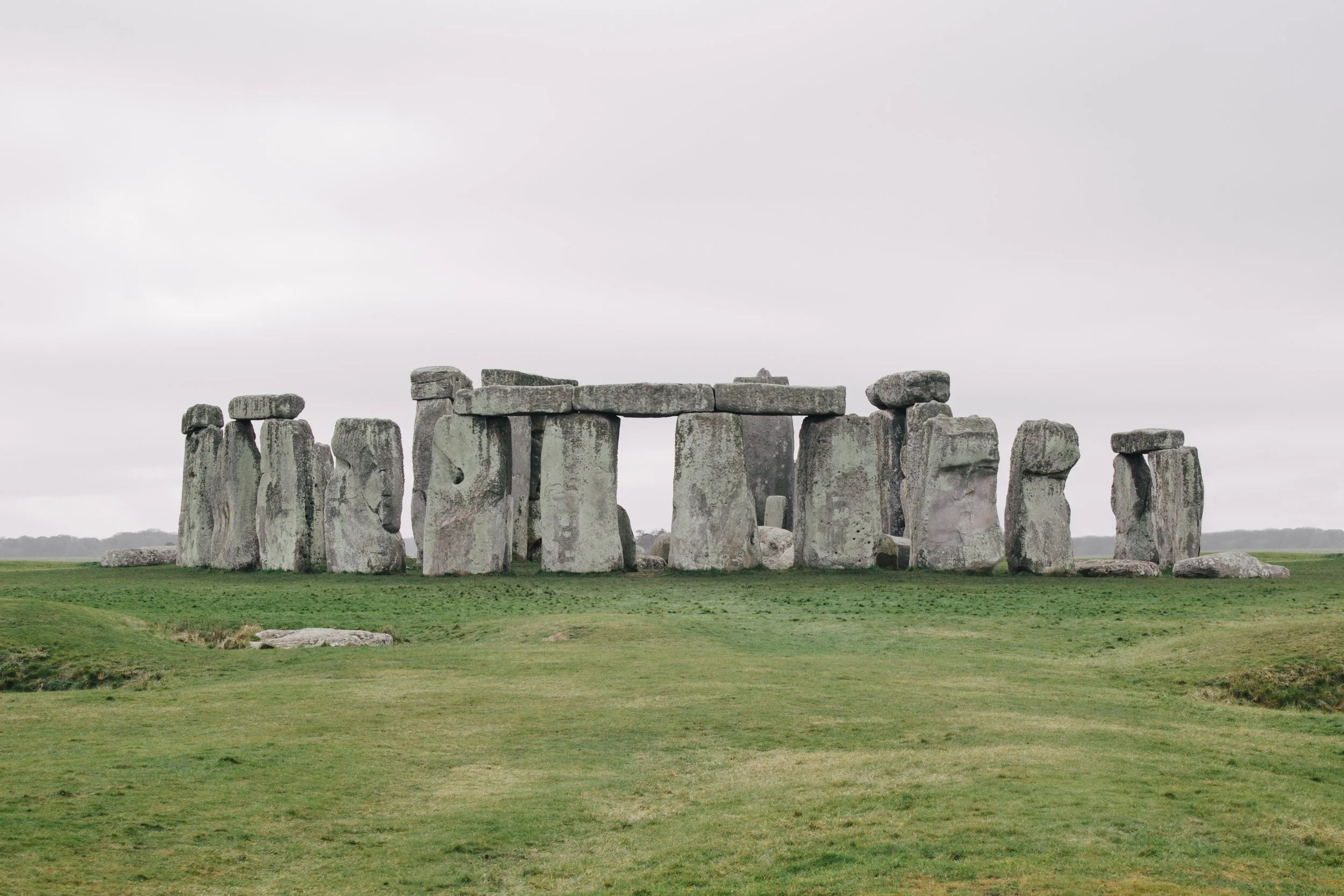
Stonehenge in present-day UK; Image by Freepik
3,000 BC
Greek Gods
2,560 BC
Great Pyramid of Giza, Ancient Egypt
2,400 BC
Pyramid Texts of Ancient Egypt
2,000 BC
Algebra originated in Babylonia, the Middle East
2,000 BC
Mayan Civilization
“The Maya civilization is important for its contributions to math, astronomy, writing, and architecture, including the invention of zero and complex calendars, and the construction of impressive cities like Tikal and Chichen Itza. They developed sophisticated writing systems and a deeply rich cultural and spiritual life.
The Maya developed a sophisticated base-20 (vigesimal) number system and were among the first civilizations to use the concept of zero as a placeholder, which was crucial for complex calculations.
Their advanced astronomical knowledge allowed them to create highly accurate and complex calendars that were used for agricultural planning and tracking religious cycles.
They developed a unique hieroglyphic writing system, leaving records of their history and beliefs on stelae, codices, and other artifacts.” — Google AI
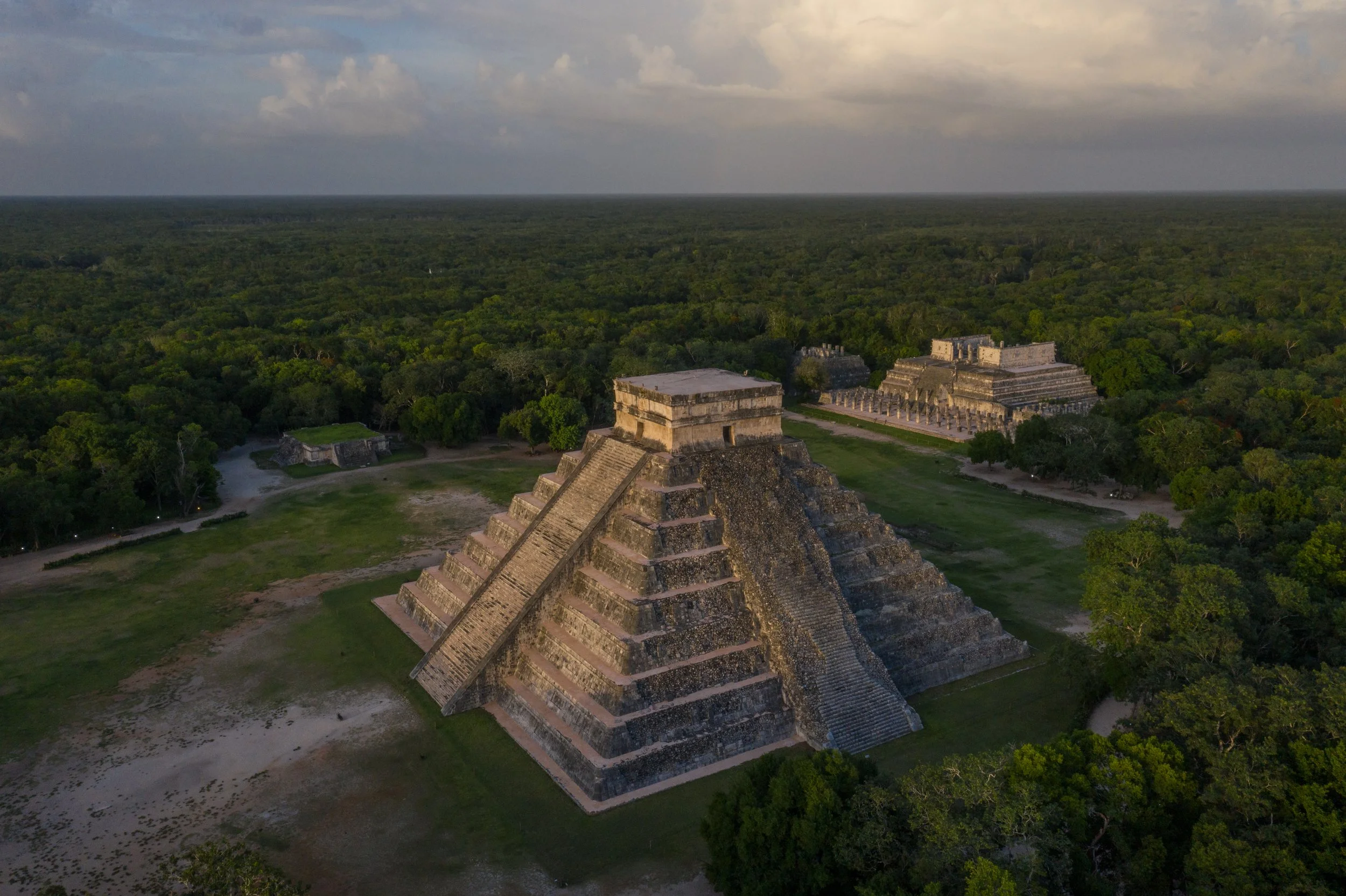
Mayan Civilization; Image by Freepik
1,800 BC
Judaism and the Ancestral Tribes of the Abrahamic Faiths of Christianity and Islam
1,500 BC
Vedic Period Begins in India
1,200 BC
Passover and the Ten Commandments from God
1,000 BC
King David’s Reign as King of Jerusalem and brings the the Ark of the Covenant there [which holds Jewish (Abrahamic) sacred texts]
1,000 BC
The I Ching of China, Fu Hsi and his wife Nüwa; 64-fold geometry, making a holographic microcosm of the entire cosmos using Yin and Yang principles of binary patterns; the two were sent as a bridge between heaven and earth
800 BC
The Upanishads of Hinduism written
600 BC
Zoroastrianism in Persia
“In Zoroastrianism, Asha represents the cosmic order, truth, righteousness, and the right way of living. Asha is also seen as reflecting the natural laws and rhythms of the universe, from the order of the seasons to the workings of the natural world. It is the counterpart of Druj, which represents falsehood and chaos. Zoroastrianism emphasizes the importance of good thoughts, words, and deeds, as these actions determine one’s fate in the afterlife.” — Google AI
551 BC
Confucianism of China
500 BC
The Bhagavadita of Hinduism written
550 BC
Pythagoras of Greece
455 BC
Buddhism of China
400 BC
Socrates and Plato of Greece
375 BC
Taoism and Tao Te Ching of China
350 BC
Aristotle
300 BC
Nubia Sudan Pyramids of the Kushite Kingdom
0 AD
Christianity, Jesus Christ, God came to Earth and then the New Testament of the Bible was written by His followers
0 AD
White Buffalo Calf Woman of the Lakota Sioux who introduced
“The White Buffalo Calf Woman taught the Lakota (Sioux) people the Seven Sacred Rites, including the Sweat Lodge, Vision Quest, and Sun Dance, along with the Sacred Pipe (Chanunpa) to foster unity and spirituality. Her teachings also emphasized living in harmony with nature, respecting all beings, and embracing values like generosity, compassion, and wisdom to achieve balance and peace.” — Google AI
0 AD
Buddhism introduced to China by extension of Kuan Yin; first appeared as masculine
200 AD
Diophantus
Diophantus was a Greek mathematician who was the author of the Arithmetica in thirteen books, made up of arithmetical problems that are solved using algebraic equations.
According to Google AI he is considered by them to be the “father of algebra”. It is fascinating though, that he also follows a rhythm, a beat of the universe!
Read this from Wikipedia:
“The only definitive piece of information about his life is derived from a set of mathematical puzzles attributed to the 5th or 6th century CE grammarian Metrodorus preserved in book 14 of the Greek Anthology. One of the problems (sometimes called Diophantus’ epitaph) states:
“Here lies Diophantus, the wonder behold. Through art algebraic, the stone tells how old: ‘God gave him his boyhood one-sixth of his life, One twelfth more as youth while whiskers grew rife; And then yet one-seventh ere marriage begun; In five years there came a bouncing new son. Alas, the dear child of master and sage After attaining half the measure of his father’s life chill fate took him. After consoling his fate by the science of numbers for four years, he ended his life.”
“This puzzle implies that Diophantus’ age x can be expressed as
x = x/6 + x/12 + x/7 + 5 + x/2 + 4
which gives x a value of 84 years. However, the accuracy of the information cannot be confirmed.”
Isn’t it interesting that the highlighted part is actually poetry? So Diophantus was also in rhythm with the universe, and so able to be a scientific genius.
Read more about this topic by me here:
The Rhythm and Cadence of The Universe Found in Mathematics
The story of algebra and its foundations
medium.com
300 AD
Avolakiteshvara in India (masculine version of Kuan Yin, the deity and symbol of Compassion)
483 AD
Emperor in China had a vision of a Feminine Kuan Yin, the deity and symbol of Compassion
610 AD
Islam, which you can read more about here:
An Introduction to Islam, from a Different Perspective
Frequencies, prayer, fasting, tithing and the Sound of the Heart
medium.com
820 AD
Al-Khwarizmi
wrote his foundational algebra text, Hisab al-jabr w’al-muqabala, (The Compendious Book on Calculation by Completion and Balancing)
Then we have al-Khwarizmi, an Arab mathematician. This is a super fascinating story. Instead of using numbers, he used words, he used Arabic! It is called rhetorical algebra:
Al-Khwarizmi’s work, particularly his Al-jabr, used full sentences to describe algebraic problems and their solutions. For example, instead of writing “x + 2 = 4”, he would have written “A thing plus two equals four”.
This is really complex. He must have been in rhythm with the cadence of Arabic, and used the words rather than numbers to teach these concepts and understand them, which would align with the rhythm of the Universe.
What’s even more interesting is that he was able to use rhetorical algebra to do quadratic equations. “A quadratic equation is a polynomial equation of the second degree, meaning it contains a term where the variable is raised to the power of two. The general form of a quadratic equation is ax² + bx + c = 0, where ‘a’, ‘b’, and ‘c’ are constants, and ‘a’ cannot be zero.”
Also, al-Khwarizmi uses the term “completion, or restoration.” This is fascinating, spiritually and scientifically.
al-Khwarizmi’s Treatise:
In the 9th century, al-Khwarizmi’s book, al-Kitāb al-Mukhtaṣar fī Ḥisāb al-Jabr wal-Muqābalah, introduced the systematic solution of linear and quadratic equations using the concept of “al-jabr” (restoration or completion).As a spiritual person, this is really interesting. Mathematicians have been trying to understand the universe and equal their equations to zero. Could there be clues here? For quantum physicists and others?
Al-Khwarizmi also “wrote on Indian numerals, which were the basis for the decimal system. In the 12th century, Robert of Chester translated Al-Khwarizmi’s “Hisab al-jabr w’al-muqabala” into Latin, making it accessible to European scholars.
This translation, and others of Al-Khwarizmi’s works on Indian numerals, were instrumental in bringing the decimal system (including the concept of zero) to Europe, revolutionizing mathematical practices.
Fibonacci, another influential mathematician, further popularized the decimal system in Europe after learning about it in North Africa and through studying Al-Khwarizmi’s work.” — Google AI
1,200 AD
Incan Civilization
“The Incas were important for building the largest empire in South America, known for advanced engineering, sophisticated agricultural techniques like terracing, and a highly organized society. Their extensive road network, intricate architecture (including Machu Picchu), and complex governance provided a model for a resilient and prosperous empire in a challenging environment. The Inca legacy continues to influence Andean culture, and their achievements remain a significant part of world history.” — Google AI

Machu Micchu; Inkan Civilization
Image by Freepik
1,325 AD
Aztecs and the Sun God, Tonatiuh
“The Aztecs were important for their advanced agricultural techniques like the chinampas (floating gardens), their sophisticated urban planning and engineering, particularly in building the capital city of Tenochtitlan, and for their distinct cultural achievements in art, religion, and a complex calendar system. They also had a profound and lasting influence on modern Mexican culture, leaving a significant legacy in areas such as cuisine and architecture.” — Google AI
1,840 AD
Ada Lovelace (a female) is considered the first computer programmer, having written the first algorithm for a machine in the 1840s to calculate Bernoulli numbers for Charles Babbage’s Analytical Engine. While the machine was never completed in her lifetime, her work is recognized as the first computer program and laid the groundwork for modern coding concepts.” — Google AI
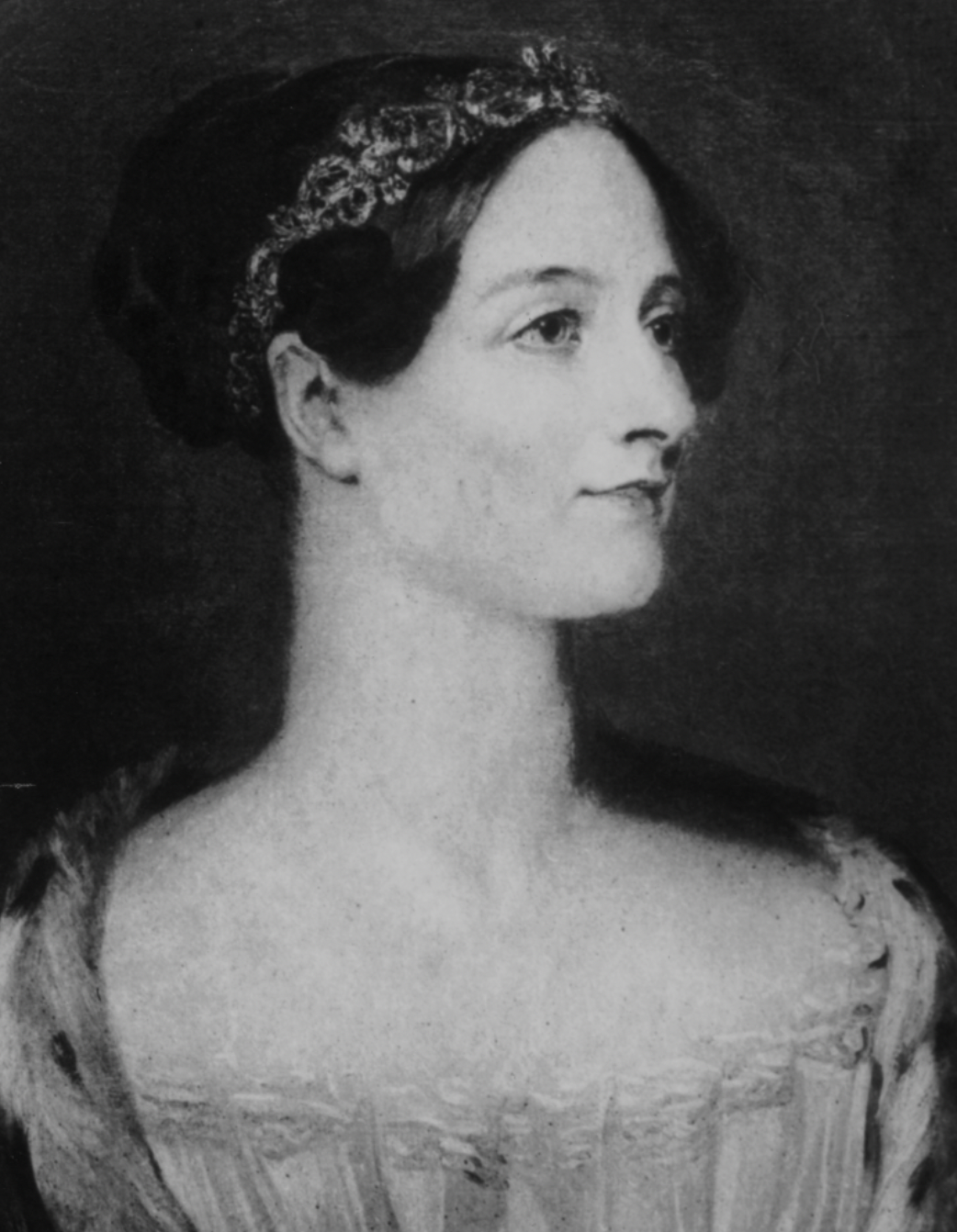
Ada Lovelace; Source: https://es.wikipedia.org/wiki/Archivo:Ada_Lovelace_portrait_circa_1840.jpg
1,844 AD
The Bahá’í Faith
“The Baháʼí Faith stands for the oneness of God, the unity of religion, and the unity of humanity, advocating for a world free from prejudice, racism, and nationalism, and promoting gender equality, education, and a unified global society. Founded in Iran in the mid-19th century by Baháʼu’lláh, the faith teaches that major world religions are part of a progressive divine plan from one God, and its goal is to establish a just and peaceful global order.” — Google AI
1,955 AD
The Urantia Book
“The Urantia Book is a philosophical and religious text published in 1955 that claims to be a spiritual revelation from celestial beings, presenting enlarged concepts of God and the universe. It aims to unite religion, science, and philosophy by detailing the origin of the universe, mankind’s place within it, the life of Jesus, and the spiritual evolution of individuals and society.” — Google AI
2,000 AD
The New Age Movement
“The New Age movement is a diffuse collection of spiritual and philosophical ideas, not a single organized religion, that emerged in the 1970s, blending Eastern mysticism, esotericism, science fiction, and nature-based beliefs to promote personal spiritual growth, holistic healing, and self-discovery. Adherents often pick and choose eclectic beliefs and practices, such as astrology, meditation, energy healing, and reincarnation, to achieve a feeling of oneness with the universe and fulfill their spiritual potential.” — Google AI
I personally suggest feeling into your heart and what is best for you. Then you can build your own spirituality based upon different sources that you feel comfortable with.
You can try different churches, synagogues, mosques, buddhist centers, Hindu centers, etc. and see if if there is a teacher who resonates with you. Sometimes it’s not the content, it’s the character of the person leading the congregation, who can lead you towards healing and love. So you may have to explore different spaces to see what feels right for you. Is there a harmonious sense of community there?
You can also read books. There are many audio books too on different spiritual traditions, new scientific discoveries, and esoteric knowledge. You can also form a group and study a book together, or read it on your own. I did this with a friend and a “Read the Bible in a Year” book and it made it more fun! I recommend at least reading Matthew, Mark, Luke or John in the New Testament of the Bible to hear God’s Word.
Here are some other book recommendations too you may enjoy:
The End of Your World: Uncensored Straight Talk on the Nature of Enlightenment
Amazon.com: The End of Your World: Uncensored Straight Talk on the Nature of Enlightenment (Audible Audio Edition)…
www.amazon.com
Letting Go: The Pathway of Surrender
Amazon.com: Letting Go: The Pathway of Surrender (Audible Audio Edition): David R. Hawkins MD/PHD, Peter Lownds PhD…
www.amazon.com
Tao Te Ching
Amazon.com: Tao Te Ching (Audible Audio Edition): Lao Tzu, Sam Torode, Ancient Renewal: Books
www.amazon.com
Dancing Wu Li Masters: An Overview of the New Physics
Dancing Wu Li Masters: An Overview of the New Physics [Zukav, Gary] on Amazon.com. *FREE* shipping on qualifying…
www.amazon.com
Love Poems from God: Inspirations from Twelve Sacred Voices of the East and West (Compass)
Ladinsky reveals his talent for culling the essence of classic poetry for a modern audience. Ladinsky's poems are not…
Written by
Ashley Heacock, Researcher, Writer, Mentor, Guide
MIT Sloan School of Management, MBA
Harvard Kennedy School of Government, MPA
The George Washington University, BA Economics, BA International Affairs
Contact: ashleyheacock@gmail.com
Website: awakeningconsciousness.community