A Possible Healthy Solution to End Anemia in Peru
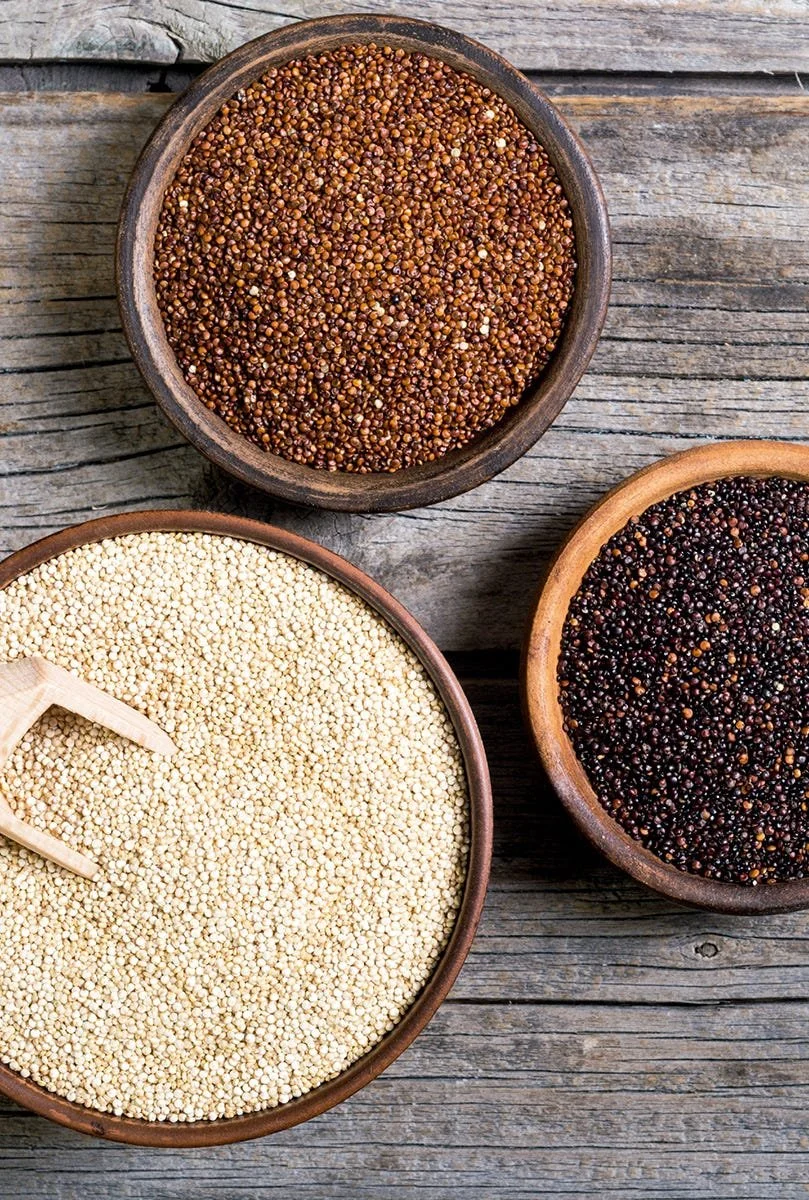
Local Peruvian Diverse Solutions; Source: https://ecoandino.com/producto/organic-kaniwa-grains/?lang=en
I grew up in South Dakota. One time on a vacation, we pulled over to a gas station, and I started balling, crying hysterically. There was a truck full of cows headed probably to, you know where :( Now looking back as an adult, I feel I was channeling their sadness.
I fortunately had an aunt who was vegan, and a brother-in-law’s wife who was vegan as well. Therefore, I became vegetarian at around age 12–14.
I was vegetarian for most of my life. Even while living in the Middle East during college, and in Peace Corps, Mali, West Africa, I did not eat meat.
When I was living in Morocco, North Africa, at that point, I decided to try eating meat.
Then, I was on a journey of sometimes veganism, sometimes vegetarianism, sometimes meatism, and sometimes pescetarianism for years.
I was trying to figure out what my body needed to be healthy. I had heard a lot of stories of vegans having health problems, and I too felt sick on a vegan diet. Plus, I like diversity.
I now am a shaman and live in the Sacred Valley of Peru. I finally have become vegan and feel incredible! There is a lot of diversity of vegan produce here.
The primary dietary change I made was eating kiwicha/kaniwa for breakfast that has iron, paired with a vitamin C drink.
This is called a complete protein I learned. The pairing of iron and vitamin C is extremely important it seems, and my body tells me so too.
I began with the kiwicha/kaniwa plus algarrobina mixture, and paired it with oats and sugar and salt to balance out the bitterness.
I combined this healthy breakfast meal with fresh orange juice at first. That iron and vitamin C duo was incredible!
You can also do other fruit juices. You can use limes that have vitamin C, mangos, papayas, or strawberries.
The local fruit I also add to this mixture is Aguaymantos. They seem to be a very special fruit with a lot of nutritional benefits.
I also was noticing the health effects of anemia on children and adults. I could tell by the color of their pale skin, or stunted growth. So it became a mission of mine to try to help.
I started this GoFundMe to post flyers around the region to educate people about their local foods that could save their lives, improve their brain functioning, and help them grow.
Ask of the GoFundMe:
“Hello all,
I pray you are well.
I am living in the Sacred Valley of Peru. It is a developing country. There is a problem with anemia here. There is a lack of nutritional education.
If you don’t know what anemia is, it is a lack of iron+vitC, B9, BA, and B12. The effects of not getting these nutrients are symptoms of fatigue, weakness, paleness, dizziness, headaches, difficulty concentrating, and irritability.
It can also then obviously lead to less confidence in school, not growing as tall as children normally would, not being as smart as they could be. It is a very serious, sad situation.
Especially if you’re aware of child development, it can have debilitating effects on their development stage, and therefore, their entire life. By you donating you could impact the lives of many children in the area. They could have a happier, healthier, and more vibrant community.
I have been doing research and testing on my own body with their own local, inexpensive foods.
I found a great combination that is economical and practical that I think could help thousands of people in the region.
It is a mixture of their local kaniwa and kiwicha grains that have iron, making it into a yummy hot beverage in the morning, and adding freshly squeezed orange juice or lime and sugar juice in combination with it, because Vit C helps absorb the iron (*an important note, perhaps for your diet too!).
I think this could really help. It is cultural, local, and economical.
Therefore, I have an idea to post flyers door-to-door around the area so that people can be educated. As you can see in the flyers I posted in the photos on this page, I provide the nutritional information, plus I provide the easy morning solution that I described above.
I will hire local people to help me too, so their families will also benefit from your assistance. It is a very poor region. Your support could really be useful!
I am requesting donations from generous, kind-hearted people to help with this effort.
I have attached the flyer in Spanish and I also had it translated to the local language of Quechua.
Therefore, if it’s in your heart to give, the people in the region here would really appreciate it!
With Love and Gratitude,
Ashley Heacock” — GoFundMe
Here are the flyers in Spanish, I also made a version in the local language of Quechua that I will distribute:
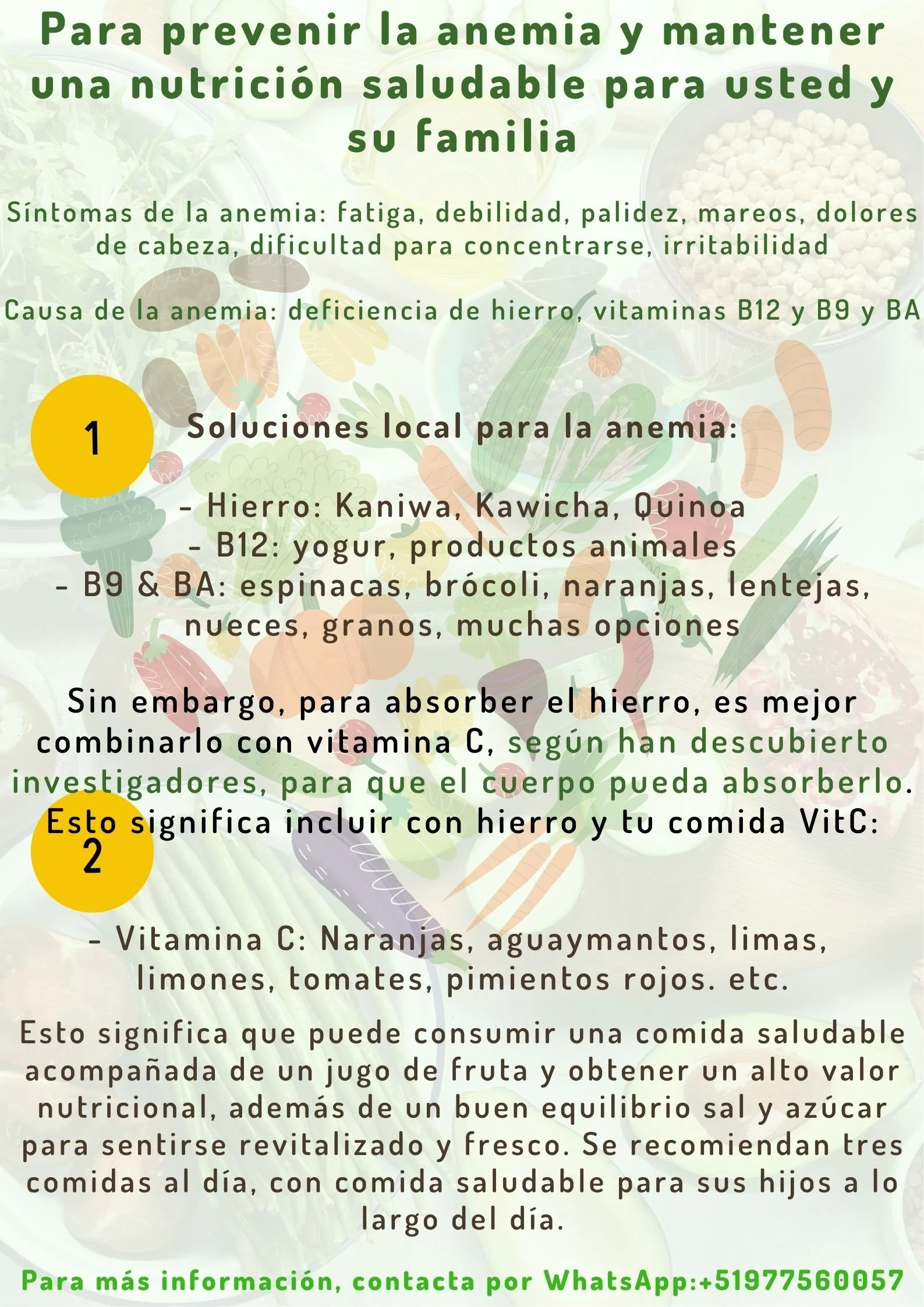
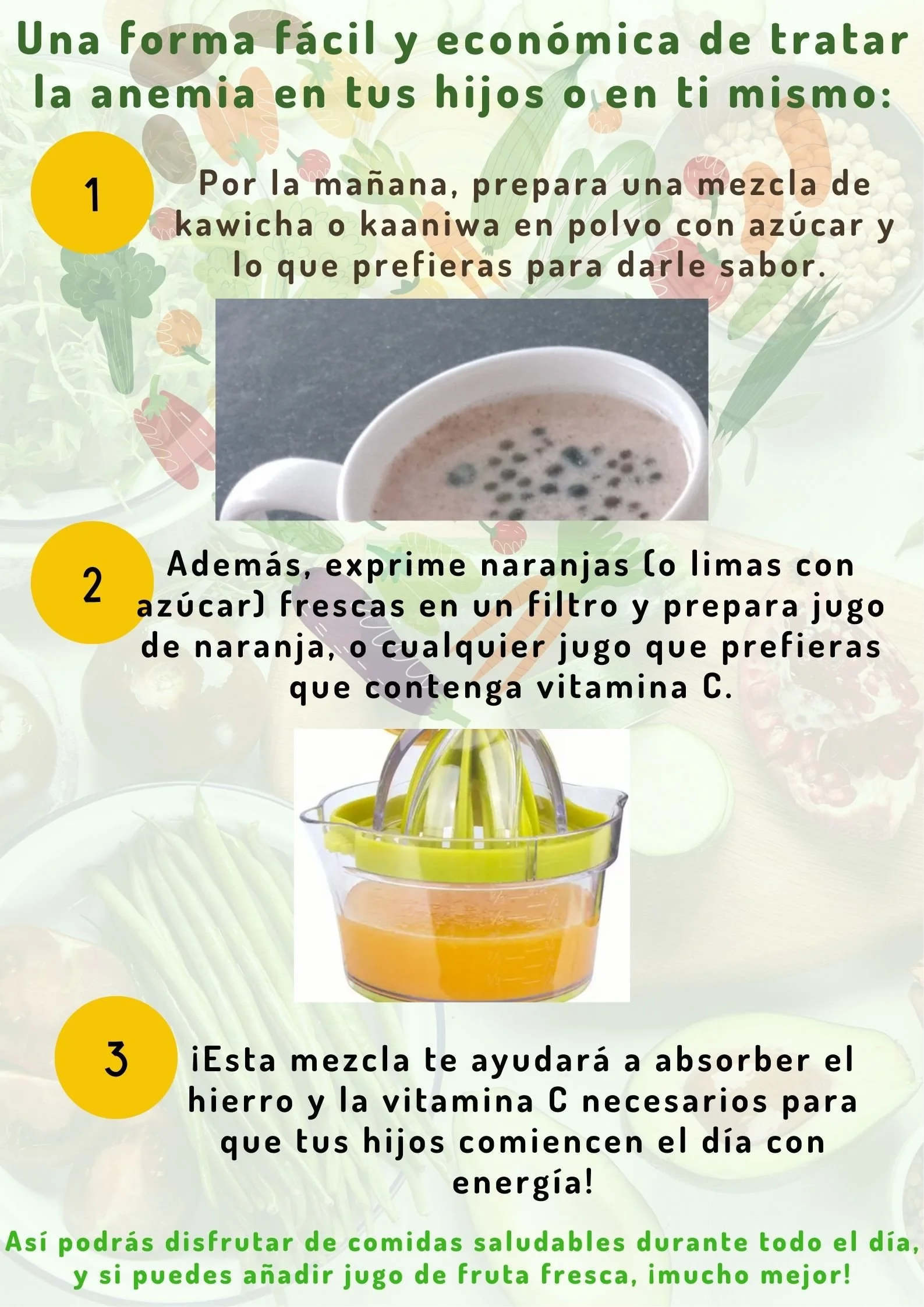
Below I have listed the nutritional facts of Peruvian local foods that are healthy for preventing anemia:
Here is a summary of the incredible nutritional benefits of Kiwicha:
“Kiwicha, or amaranth, is a nutritious “superfood” that offers benefits like promoting mental and physical development due to its high protein and amino acid content. It’s also rich in essential minerals like iron, calcium, and potassium, and is a good source of fiber, which supports digestive health. Kiwicha’s gluten-free nature makes it suitable for those with celiac disease, and its nutritional profile is beneficial for athletes, children, and the elderly.
Nutritional and health benefits
Promotes brain and growth development:
The high content of amino acids, especially lysine, supports brain development, learning, and memory.
Supports bone and muscle strength:
Kiwicha is rich in protein and minerals like calcium, phosphorus, and magnesium, which are essential for building strong bones and muscles.
Aids digestion:
It is a good source of fiber, which helps stimulate bowel function and can help prevent constipation.
Provides essential nutrients:
Kiwicha is packed with vitamins and minerals, including iron, potassium, zinc, vitamin E, vitamin B complex, folic acid, and biotin.
Gluten-free:
This makes it a great option for those with celiac disease or gluten sensitivities.
Cardiovascular support:
Some studies suggest it can help improve digestive and cardiovascular health, reduce cholesterol, and lower triglycerides.
Culinary and other benefits
Versatile ingredient:
Kiwicha can be used in many dishes, such as in shakes, soups, porridges, and baked goods, or as a substitute for grains like rice.
Helps with malnutrition:
Due to its high nutritional value, it’s an excellent food for addressing malnutrition.
Traditional uses:
Beyond the grain, traditional medicine uses other parts of the plant to relieve bladder inflammation, rheumatism, and diarrhea.” — Google AI
Here is a summary of the incredible benefits of Kaniwa:
“Kaniwa offers numerous benefits due to its high nutritional content, including being a great source of complete protein, iron, and fiber, which supports muscle mass, energy, and digestion. It is also rich in antioxidants, B vitamins, and minerals like calcium and phosphorus. This makes it beneficial for heart health, managing weight, and it is naturally gluten-free.
Nutritional and health benefits
Rich in protein and fiber:
Kaniwa has a high protein content, even more than quinoa, making it beneficial for muscle maintenance and growth. It is also rich in dietary fiber, which helps with digestion and can lower cholesterol levels.
Excellent source of minerals:
It is particularly high in iron, which is crucial for oxygenating blood and preventing anemia. It also contains calcium for strong bones and phosphorus for energy production.
Packed with antioxidants:
Kaniwa contains phenolic compounds and flavonoids that have antioxidant properties, helping to protect the body from cell damage by fighting free radicals.
Supports heart health:
The unsaturated fats in kaniwa can help reduce “bad” cholesterol in the blood, contributing to cardiovascular health.
Gluten-free:
It is naturally gluten-free, making it a suitable alternative for people with gluten-related disorders.
Contains B vitamins:
It is a good source of B vitamins, including riboflavin, which is higher in kaniwa than in common cereals.
May reduce cancer risk:
The high content of antioxidants, such as flavonoids, may help reduce the occurrence of some types of cancer by neutralizing harmful free radicals.
Beneficial for various life stages:
Its high protein and mineral content makes it a good food for children, adults, and the elderly.” — Google AI
Here is an overview of the benefits of Algarrobina:
“Algarrobina offers several benefits, including high levels of protein, vitamins, and minerals, making it an excellent source of energy and helpful for preventing anemia. It can improve digestive health by aiding intestinal transit and regulating blood sugar, and it also contains antioxidants that benefit the immune system. Additionally, it can support bone health, skin, hair, and nails.
Nutritional and metabolic benefits
Energy source: Highly nutritious and energetic, it provides a natural boost of energy.
Aids anemia: Traditionally used to help prevent and treat anemia due to its iron content.
Low glycemic index: Contains natural sugars but has a low glycemic index, making it a healthy sugar substitute.
Bone health: A good source of calcium and phosphorus, which are important for strong bones and teeth.
Protein-rich: Contains a significant amount of protein.
Digestive health benefits
Aids digestion: High in fiber and pectin, it helps regulate intestinal transit and can fight constipation.
Soothes the stomach: Absorbs toxins and can help with stomach discomfort.
Supports gut flora: The fiber content can help improve the balance of intestinal bacteria.
Other health benefits
Antioxidant properties: Rich in antioxidants that protect against cellular damage.
Supports the immune system: Promotes the proper functioning of the immune system.
Skin and hair: Can help improve skin, hair, and nail health.
Respiratory health: Can benefit the respiratory system, and some sources say it can help with asthma, coughs, and phlegm.” — Google AI
Here is a summary of Aguaymanto and its benefits:
“It is a fantastic antioxidant that stops cells from ageing, it improves the state of cell membranes, prolongs their youth, protects retina and eye nerves, improves the state of skin tissues and mucous membranes. It helps with proper functioning of blood circulation — it boosts its efficiency, and seals blood vessels. It is great for joints, it has anti-rheumatic properties, it helps with the treatment of rheumatic arthritis. It prevents the illnesses of digestive system, colon, and large intestine, it stabilizes the level of glucose in the blood and therefore is anti-diabetic. It helps the treatment of prostate. It will be appreciated by women in the time of menopause — thanks to the content of estrogens it soothes the symptoms of that time, and helps to absorb iron. Apart from that, Aguaymanto has the regenerating properties, it boosts the production of the red blood cells, and helps to purify blood by eliminating albumin from kidneys. Flavonoids present in Aguaymanto have sedative qualities. It is a perfect antidote for stress, it provides a lot of energy needed for fighting with physical and mental fatigue, even with states similar to depression. It is a source of natural energy in nutrition of children, students, and sportspeople.” — Rostlinyz Peru
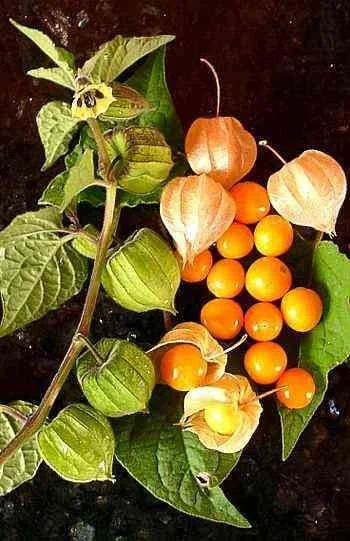
Agyuamantos, an incredibly interesting fruit to research more about its nutrient potential.
Written by
Ashley Heacock, Researcher, Writer, Mentor, Guide
MIT Sloan School of Management, MBA
Harvard Kennedy School of Government, MPA
The George Washington University, BA Economics, BA International Affairs
Contact: ashleyheacock@gmail.com
Website: awakeningconsciousness.community