A New Education System for A New World
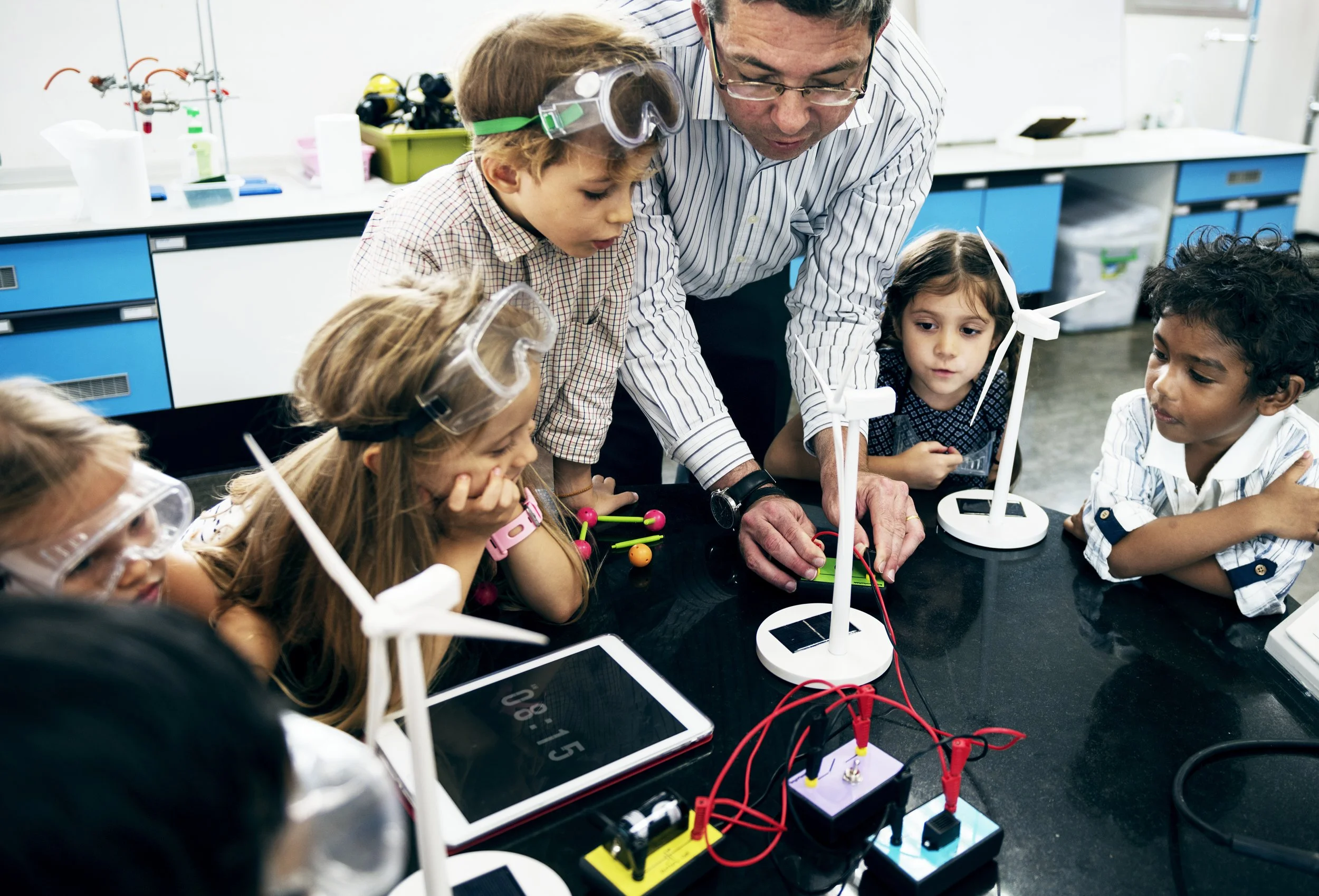
From industrialism to a technological, ecological, creative revolution
Image by Freepik
Our current school system in the USA is based around industrialism. However, we are entering a new age. Artificial intelligence and new technologies are taking away jobs. Factory jobs have been lost.
We now need a new type of education. One that is more entrepreneurial, creative, inspiring, and innovative. Plus, as a former substitute teacher, I know that many children and teenagers do not really enjoy school that much. It’s kind of like communism, I would say. The teachers follow a textbook, the students get worksheets, and they do tests on computers. I also know some teachers who told me they would like to be more creative with their students, however, with the national testing standards they have to follow the textbook guidelines and feel bored at their jobs. Would you say that’s a good education system?
Every human being is so unique, and has so many talents. We are heading into an age where jobs are going to be different. As I wrote about in my book, Automation and the Looming Crisis of Identity:
“The culture of work may need to be reexamined altogether if we truly are headed for a jobless future. While work can bring us feelings of belonging and purpose, work alone does not necessarily have to provide these motivational factors. Creating a culture that fosters a sense of identity and meaning beyond work could take numerous forms focusing attention around arts, carpentry, music, spirituality, community building, gardening, or some other creative outlet that gives people a sense of worth and purpose, and connects them to other humans in meaningful ways. For millennia humans have found purpose in serving their community through religious devotion, public service, volunteering, or mentoring.
Better than universal basic income would be for the government, corporations, or philanthropists philanthropists to reward people who serve their community in positive ways. Serving others not only helps build meaningful connections and creates stronger, safer, healthier communities, but it also improves mental health. Culture is malleable, and we can be creative about how we rethink what we value as a society.” —Ashley Heacock, Automation and the Looming Crisis of Identity
Therefore, the education system also will have to adapt to this new technological age. I have many suggestions below for a new education system that may spark some curiosity in you to try for your child or your community.
My Recommendations:
0–4 years old
Calming singing to your child
Massages
Love, cuddling
Dancing when they’re ready
Legos when they’re ready; even for girls! Get their brains developing in as many ways as possible. This can help with their coordination system.
Playtime, dress-up, acting
Music, like Mozart, Beethoven, and Bach to get their neural networks aligned with the music of the universe
If you are Muslim, Quaranic music also is suggested to connect to the rhythm of the universe. (Read more about that here and here.
Local, cultural music to connect them with the energy of their ancestors and the heartbeat of the universe.
The children will likely gravitate towards the mother. Mothers are more gentle for the children at this age. The father’s role is to be there for the mother. This teaches the child that the mother is loved by the father. This is very important. The love of a wife and husband is what a child feels. The vibrations, the energy, the love, the calm, the compassion, the peace, the joy. Hopefully you two are in a beautiful relationship! That forms who the child becomes!
4–8 years old
Only women who are gentle, caring and loving should be handling the care of these children. They are still innocent, young, pure. They still need a mother’s gentle love. Too much masculine energy could lead to little boys feeling unworthy, not good enough, and lead to a lot of psycho-emotional problems for them in their adulthood.
I suggest expanding the charter school program and allowing mothers to teach children in small groups at their house or a nice location. The groups could be around 8–12 children. This would lead to more bonding, socializing, and feeling like a little community family tribe. I remember being in kindergarten and having 30
Emotional intelligence should be taught. What is sadness, fear, anger, joy, love, gratitude, sharing, caring? These are children who need to develop the ability to form relationships with each other. These mothers can be gentle in asking, “How does this make you feel? “How did you make the other person feel?” What does your heart tell you?
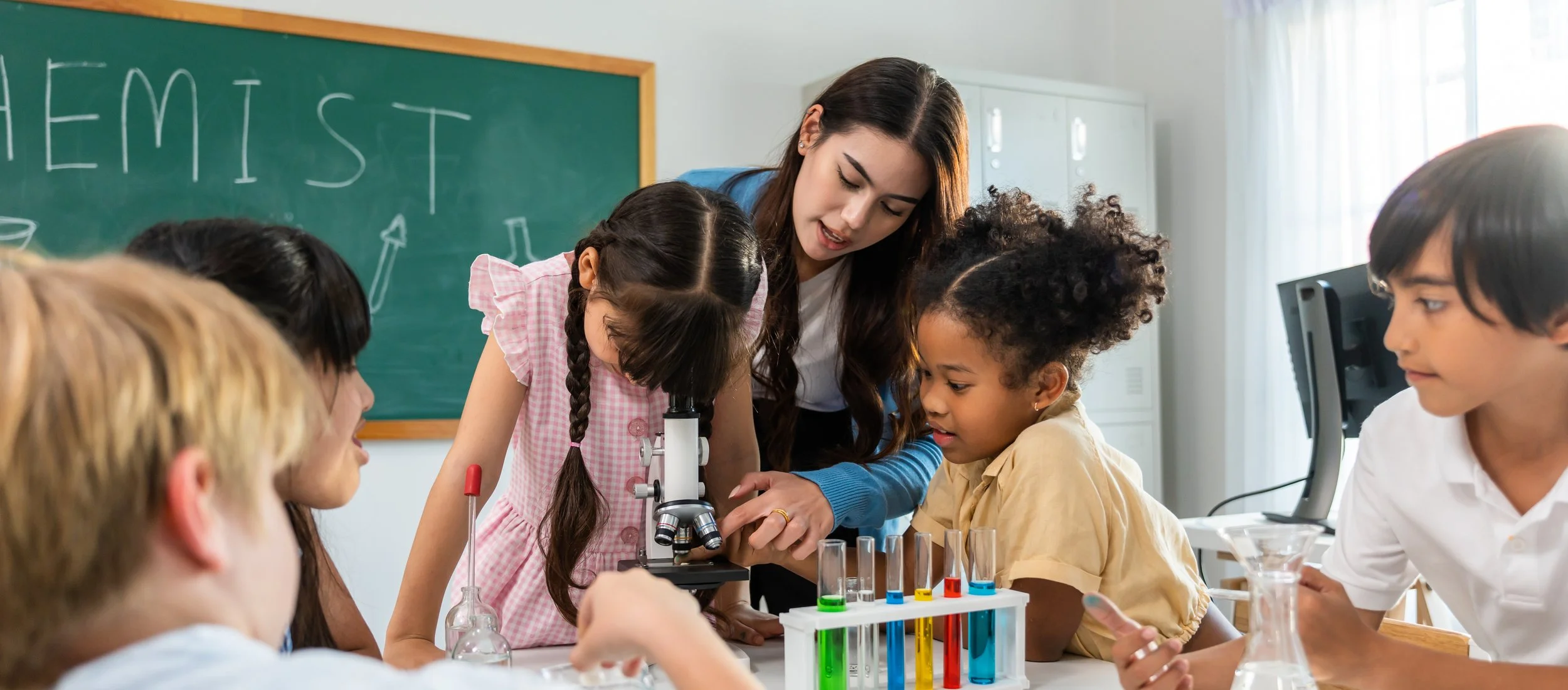
Image by Freepik
Artwork, creativity, building things, drawing, painting, singing, dancing, etc. should be taught.
A parent should be confident in who they send their child to school. Humans are like robots developing from 0–7/8 years old. So this teacher, caretaker, will extremely influence their lives. Make sure they’re a good fit for your child.
Computers may be used (sparingly) for the older children to teach them basic concepts like math and reading. These programs are unique in that they allow children to go at their own pace. So you will be able to see whether the child is intelligent in grammar or mathematics, etc. Some may be geniuses. So pay attention to their advancement.
The teacher should start to notice what the child is good or enjoys. She can then speak with the parents about next steps. Is this person more of an artist? Is s/he on the path of academica? A lot of money is lost by young people going to college who then end up working at Walmart. You should probably know their proficiency and inspiration, especially in conversation with their parents.
8–12 years old
I recommend a different sort of curriculum. One were there are three leaders of the group and around 18 children.
These leaders will take them on experiences. Take them to animal shelters. Take them hiking. Pottery making. Tennis. Aquariums. Entrepreneurship centers. Show them the world. Show them unique experiences. This will help the children understand even more what they are interested in and and inspired by.
Bring in mentors to share their knowledge and wisdom with the children.
This should be for the poor and the rich, that’s why I suggest charter school funding.
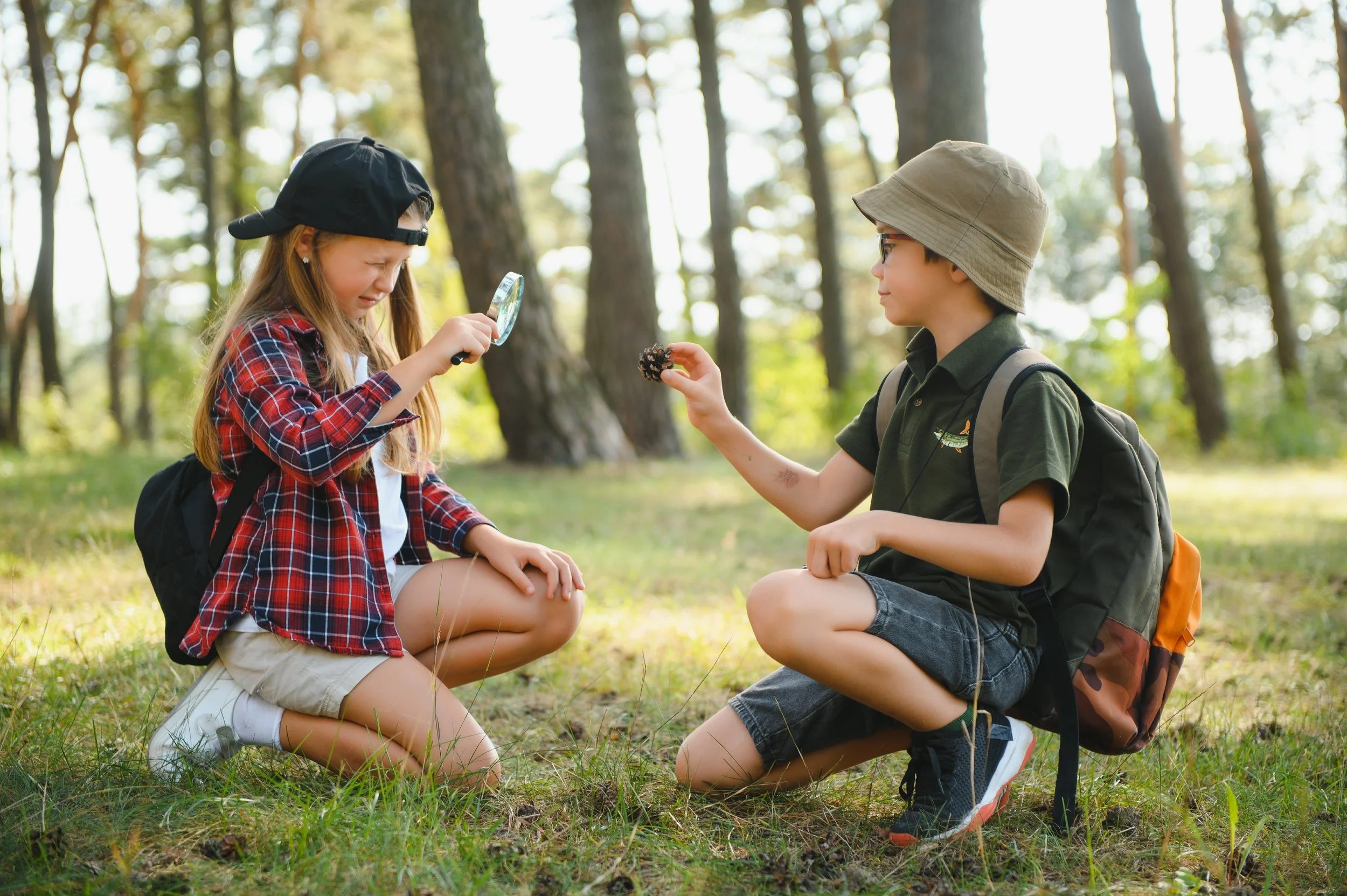
Image by Freepik
Perhaps try three different groups: 1) Only girls 2) Only boys 3) A mixture
Some girls may feel comfortable with just girls and three women leaders. Some boys may feel ready to be with all boys and three men leaders. Some of us (me, included) may want a mixture of girls and boys, and any race, gender, sexuality, etc.
There can be computer time for learning, as written above. The computer programs will allow them to advance at their own pace and see what they are really good at. This can be an indicator of what their future may hold.
Again, the teachers of the 8–12 program should notice what each child is proficient in, is inspired by, and speak with the parents about next steps.
12–16/18
If the child is extremely intelligent, an advanced school education would be helpful.
There are also opportunities for trade schools or mentorship in different areas.
I have included a list below of creative, innovative schools that I researched online that should give you inspiration for opening your own charter school, perhaps? :)
NuVu Innovation School
“NuVu is a project-based high school serving the greater Boston area. Our students focus deeply on one studio at a time — setting aside textbooks and rote learning for a distinctive hands-on learning experience.” — Nuvu
You can see in the photos below how it is a unique and fun way of learning:
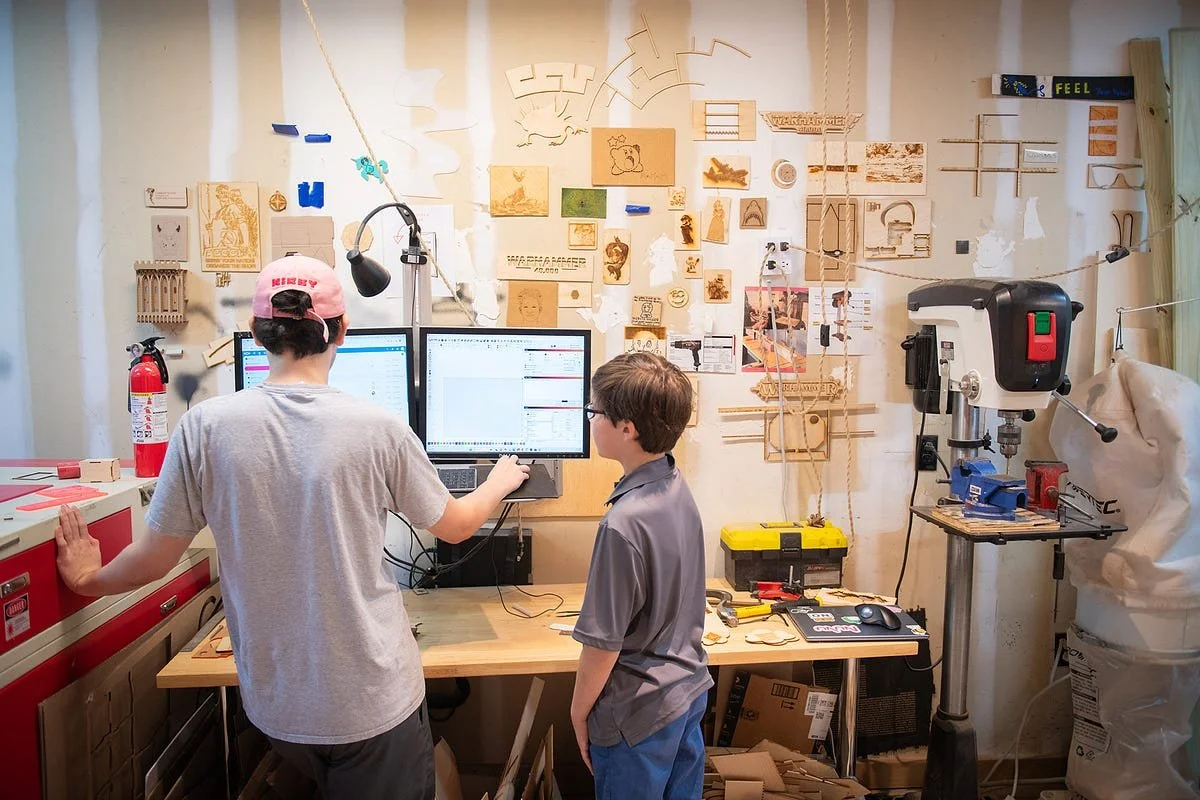
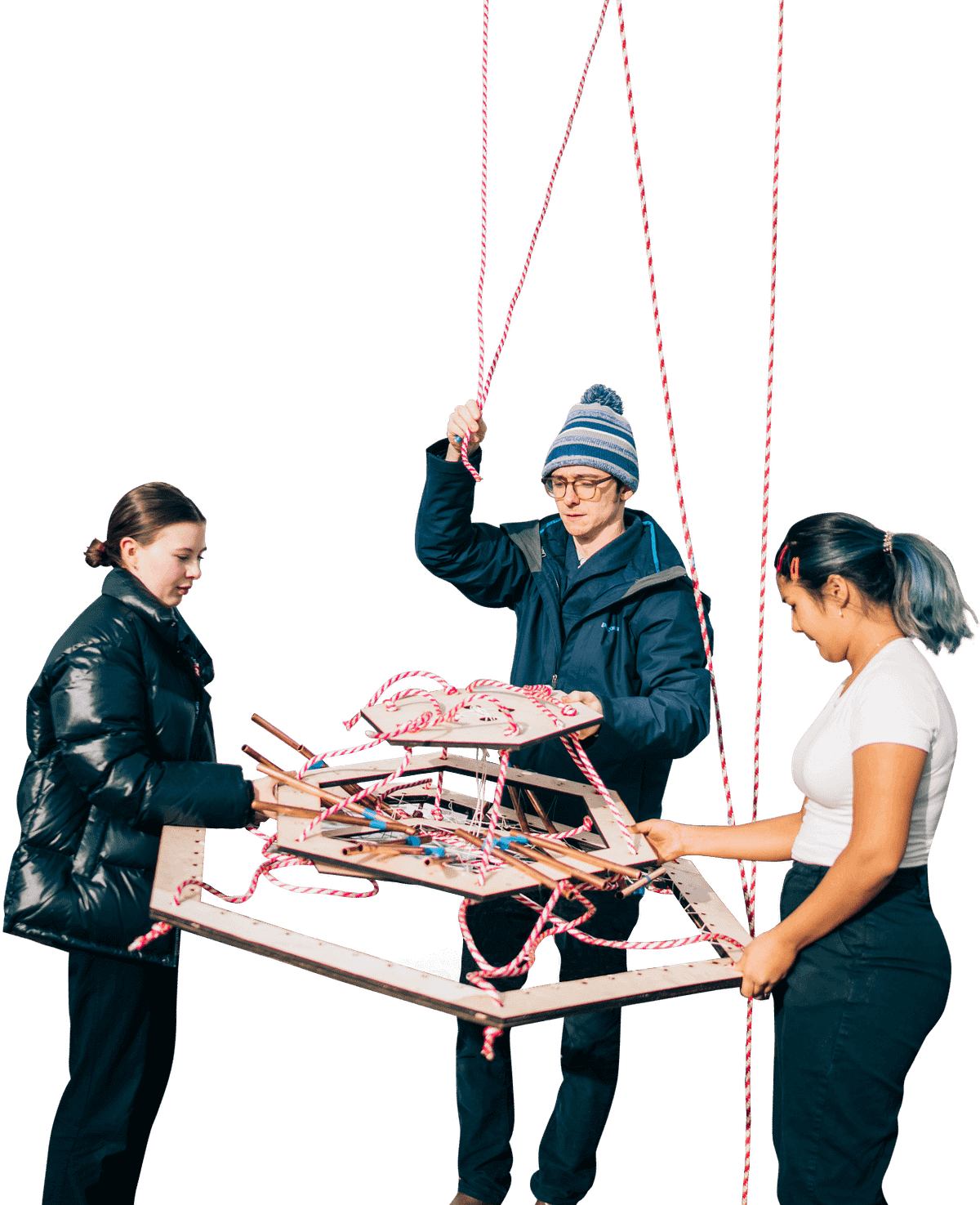
Images by Nuvu
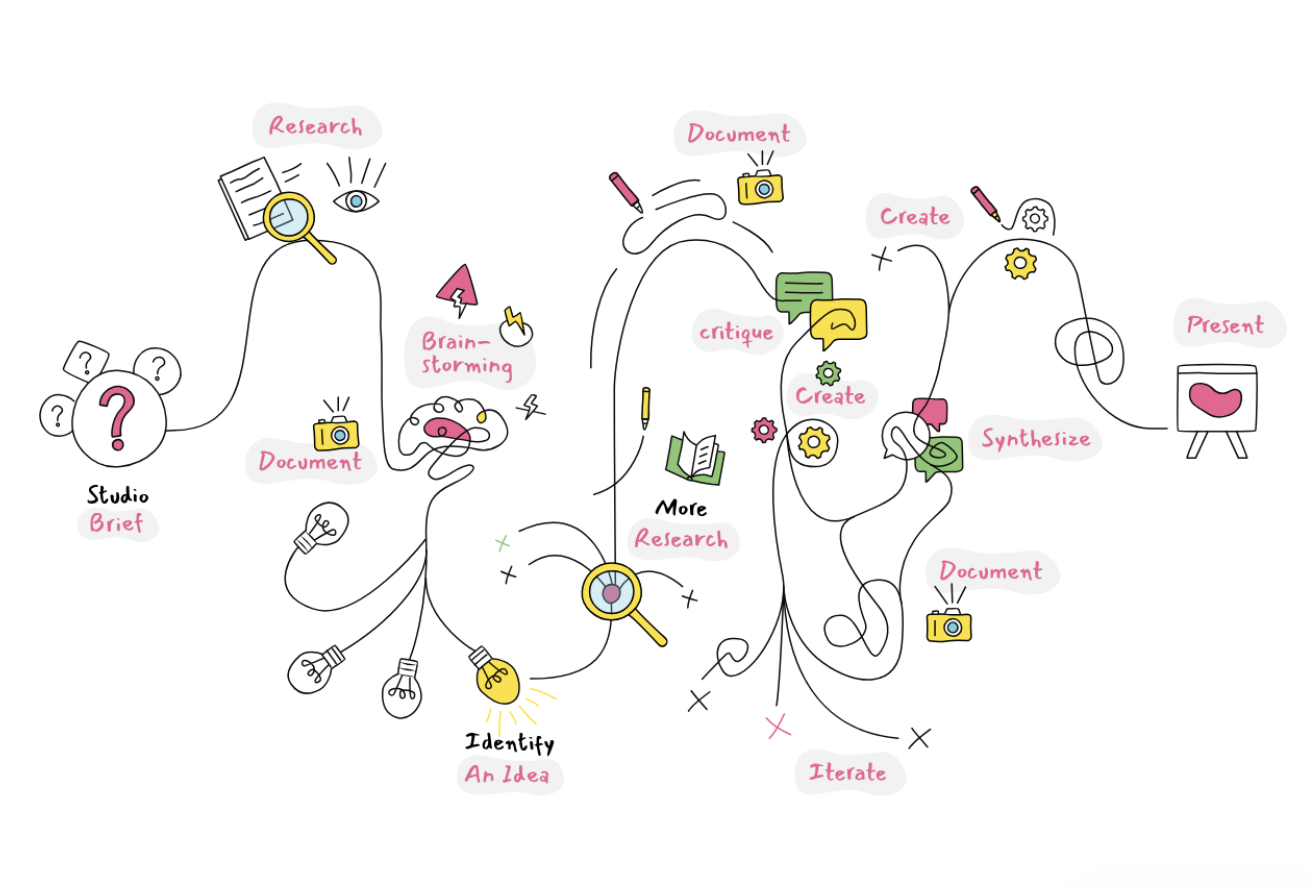
Image by Freepik
“NuVuX is our global initiative, extending design, creativity, and innovation to K-12 schools and organizations. After years of getting asked “How can we do what you do at NuVu School?” we launched NuVuX in 2016. To date, we’ve collaborated with 41+ partners, transforming schools with open-ended, creative learning.” — NuVu, learn more about it here.
Montessori:
This is an incredible school that was started in Europe by a woman who believed the poor children in poverty could learn. She must have been a Saint. Her ideology resonated with everybody, including the rich too. It is now worldwide. Read more about it here and see if you’d like to direct a Montessori School yourself!
“Our belief statement articulates the basic tenet that:
• Children have the right to a safe, nurturing environment which maximizes Montessori learning
• Children are to be respected as different from adults and as unique individuals who are different from one another
• All children can learn
• Children will create themselves through purposeful activity
• Intrinsic gratification is its own personal award
• Education is a shared responsibility involving students, teachers, parents and community members
Learning is a lifelong endeavor”
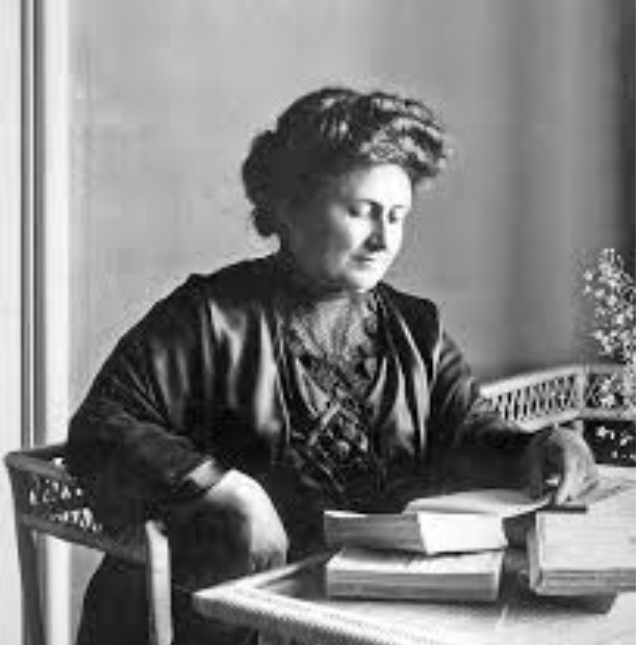
Dr. Maria Montessori, Image by Google
“1911 Montessori Comes to the U.S.
By 1911, word has spread overseas. Montessori is gaining popularity in America and the first school opens in Scarborough, New York. Dr. Montessori travels to the U.S., giving lectures that draw large crowds. In 1915, she is invited to showcase her method at the Panama-Pacific International Exposition in San Francisco. This fuels more American interest, and more than 100 Montessori schools open in the U.S. by 1916.”
School systems considered similar to Montessori include:
“Reggio Emilia, Waldorf Steiner, and Froebel schools; all of which share a child-centered approach to learning, emphasizing hands-on experiences, independent exploration, and respecting a child’s natural curiosity and development pace, although with slight variations in focus and methodology.
Key points about these similar systems:
Reggio Emilia:
Focuses heavily on collaborative learning, project-based work, and a rich visual environment where children actively contribute to their learning through documentation and expression.Waldorf Steiner:
Emphasizes creativity, imagination, and artistic expression through activities like storytelling, music, and crafts, often incorporating age-appropriate seasonal themes.Froebel:
Similar to Montessori in its focus on play-based learning with structured materials designed to promote specific developmental skills.” — Google AI
Another creative example is the Rural America Initiatives Program:
“Rural America Initiatives (RAI), the largest non-profit, continuously operating Native American organization in Rapid City, is a 501 © 3 non-profit organization. Founded in 1986 to partner with Native American families to strengthen the development of healthy, sober, self-sufficient lifestyles, it has been the most effective service provider for the most at-risk Rapid City families for over thirty years. RAI addresses the needs of the most vulnerable Native American families who suffer from chronic pervasive poverty and have restricted access to services. We do this through programs for children from prenatal through middle school, reaching over 800 children and their families annually. Over ninety percent of our full time staff is Native American.
Our programs include Early Head Start and Head Start programs, the Ateyapi (Lakota for “fatherhood”) positive role-modeling mentorship program in middle schools in Rapid City and a Lakota language program including Lakota language immersion classrooms. RAI also operates Early Head Start and Head Start programs on the Crow Creek Reservation in South Dakota.” — Rural America Initiatives
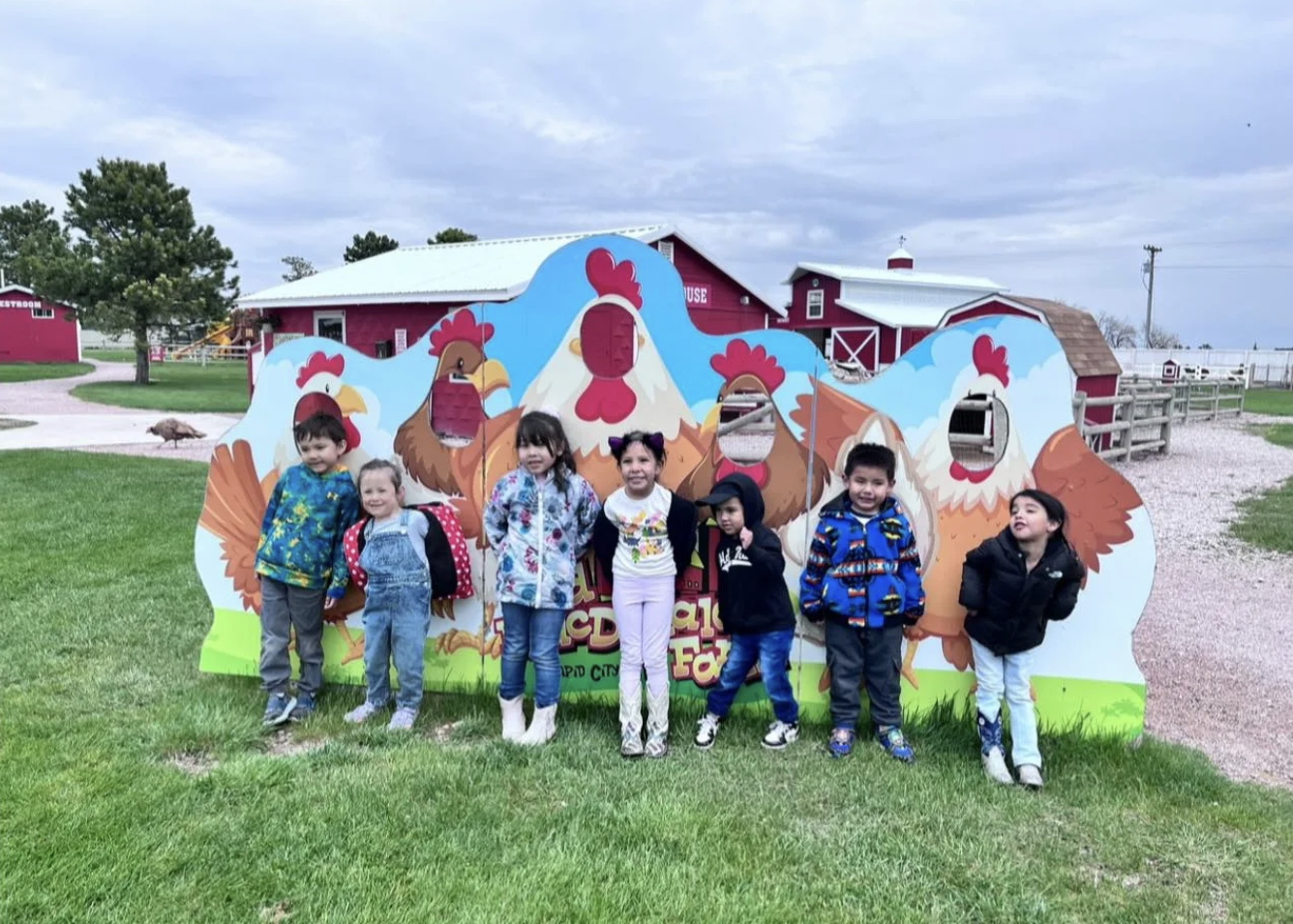
Children at Rural America Initiatives
At Rural America Initiatives they strive to support the Seven Lakota Values:
Respect (Wauonihan)
Generosity (Wacante Ognake)
Wisdom (Woksape)
Humility (Wahwala)
Compassion (Waunshila)
Service (Wawoihakikte)
Honesty (Wowicake)
For cultures around the world who have been colonized, this may be a helpful example of reintroducing your local culture to the children.
Odyssey of the Mind — Beyond the Box Experience
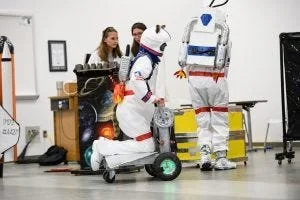
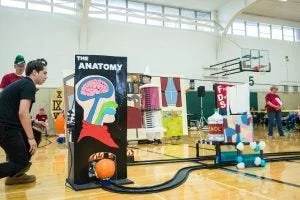
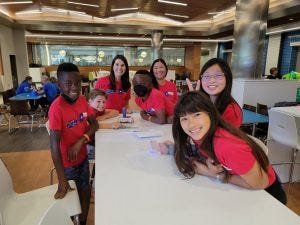
I personally participated in Odyssey of the Mind. I loved it as a little girl! It’s super creative. You build things and have to solve challenging problems.
“Odyssey of the Mind (OM™) teaches students how to develop and use their natural creativity to become problem-solvers. Imagine being faced with a problem that requires an original solution. It can be frightening. Now imagine not being afraid to solve that problem — that is what OM members learn. This skill and self-confidence will carry over to all areas of their lives. OM brings the classroom to life as students apply what they learn and combine it with their interests and passions to solve our unique open-ended problems. OM also emphasizes teamwork, budgeting, time management, public speaking, and so much more. This international program is designed to help students at all learning levels grow as individual learners, grow as team members, and to reach their full potential.”
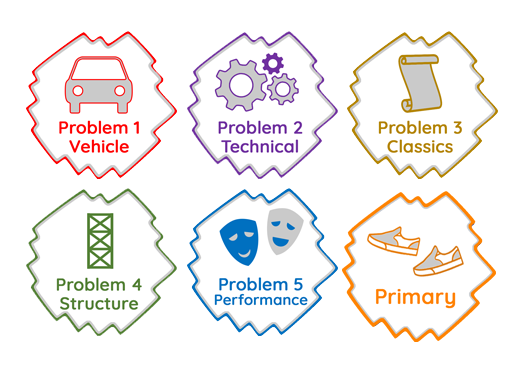
Image by Odyssey of the Mind
Images by Odyssey of the Mind
Odyssey Angels
Be a hero in your community!
“The worldwide community often proves its ability to work together to help those suffering from a major disaster. While this generosity is important, too often those suffering in our neighborhoods get overlooked. Whether it’s an elderly woman needing help carrying her groceries, or a family struggling to pay their bills, someone needs help right in our backyards. Unfortunately, they may not receive any without the benefit of the world stage.
The Odyssey Angels program wants to challenge you to use your unique creative problem-solving abilities to help some aspect of your community that would otherwise be overlooked. In return, one team will be selected to attend World Finals to present how it helped its community.
What can you do to help others? Learn more!”
I also found a wonderful article by Eva Keiffenheim.
“How 9 of the World’s Most Innovative Schools Ignite Children’s Love for Learning”
You can read it here on her website, or below:
“As a teacher, I witnessed how most children lose their love for learning with every additional year of schooling.
Many schools still operate on a purpose from a century ago — mass education to produce a conforming workforce. So we batch students by age group, expect them to sit quietly for hours a day, follow the rules, and do context-switching between silo-based subjects.
But what if we reimagined schools? What would schools look like that build on a new purpose of education that supports children in keeping and fueling their innate love for learning?
In 2022, I visited classrooms in different countries, attended global education conferences, and read dozens of books on education and learning.
Below are some of the world’s most innovative schools that push the boundaries of what schools can look and feel like.
NuVu Innovation School — Boston, MA
At NuVu innovation school, you won’t find traditional classrooms and grades. Everything at NuVu — including the curriculum, the pedagogy, the schedule, and the assessment system — is designed around a new education paradigm.
The full-time school for students in grades 8–12 enables young people to solve open-ended problems with creativity, collaboration, communication, interdisciplinary knowledge, and empathy.
Learners spend most of their time in so-called studios, immersing themselves in interdisciplinary projects. Around 12 students work closely with their two coaches on solving open-ended problems.
Problems are not framed around subjects but themes and can include, for example, “The City of the Future,” “Storytelling”, or “Global Warming.” A student focuses on one single theme for two weeks. There is no hour-to-hour schedule. Instead, students and coaches learn and work from 9 am to 3 pm with the option to stay until 5 pm.
Within each multidisciplinary studio, coaches mentor students to develop their projects through an iterative process.
Students develop multiple solutions to open-ended problems. They learn the relevance of moving from one solution to the next, combining, exploring and changing perspectives.
Moreover, studios are designed for a feedback-rich environment that provides learners with information and support for continuous self-evaluation, reflection, and improvement. Learners can also access resources outside the school. For example, they can ask leading thinkers and experts, present their framework and receive feedback.
NuVu doesn’t grade students but assesses through portfolios. These portfolios are meant to show the student’s growth over time.
Through real-world problems, iterative processes, and constant feedback, NuVu aims to empower the next generation of makers and inventors who will impact their communities and the world through their work and ideas.
Learnlife — Barcelona, Spain
Learnlife is not just a school but a community that aims to empower children to thrive in the future. Personal learning programmes guide learners through a self-directed journey of learning and exploring their passions, skills, and needs.
Backed by science, research, and site visits to over 100 of the most innovative schools worldwide, Learnlife created a learning paradigm of 21 elements.
These elements support the design of learning experiences that involve body and mind. One of the elements, for example, is ensuring the emotional, physical, social, cognitive, and digital well-being of children.
Learnlife offers year-long full-time programmes for learners aged 11–18. Individual learning paths are supported through technology, coaches, and an inspiring environment.
Students say Learnlife unleashes their creativity, makes them feel welcomed and heard, and helps them get a clear idea of who they want to be and the steps they need to take to get there.
What I love about both Learnlife and NuVu is that learning is active, not passive. Science is clear that children learn best when learning is active or “mind-on.” — focused and engaged through questions, reflection, or discussions rather than passively listening to lectures or watching videos.
Prisma — Remote, online
Prisma is a personalized, full-time online school for 9–14-year-olds and aims to create the world’s most effective and inclusive connected learning network.
Prisma follows a learning paradigm that is socially connected, interest-driven, and oriented towards educational, economic, and political opportunity.
Students at Prisma learn through peer cohorts — a group to collaborate, socialize and learn with — daily learning coaching, and live workshops focusing on communication, collaboration, and critical thinking.
Similar to Learnlife, Prisma created its own learning framework that is fit for time and context and consists of the following:
Foundational knowledge (language literacy, numeracy, history, technology literacy, and science principles)
Powers (creativity, critical thinking, communication)
Perspectives (global perspective, empathy & compassion, mindfulness)
Practices (collaboration, design thinking, reflection, discussions, self-care)
Mindset (self-efficacy, emotional awareness, purpose, growth mindset, ownership & self-direction, love of learning).
While their site states they’re a global online school, admission is only open to anyone who can operate in US time zones. So unless parents want to mess up with their child’s sleep cycle, Prisma is instead a US online school.
Riverside — Ahmedabad, India
Riverside school reshapes education through its student-centred learning approach, practical curriculum, and real-world opportunities.
The school emphasizes developing humane skills and helps children build a mindset rooted in compassion and purpose. For example, the school’s Design for Change program focuses on play and exploration, helping children develop 21st-century skills and become future changemakers.
The Design for Change program unlocks students’ sense of agency (Source: Riverside).
Riverside’s practices have been recognized worldwide as committed to raising changemakers willing to tackle real-world problems, including climate change.
Agora School — Roermond, Netherlands
Agora School enables young people to lead learning. Classrooms feel like co-working spaces, kids aren’t badged by age groups but mixed through ages and backgrounds, and there’s no hour-to-hour subject change. Unlike fixed curriculums and learning objectives set by teachers, students at Agora set their learning objectives.
A student’s day starts with answering the question, “What do you want to learn today?” Other students will then help determine whether this learning goal is achievable in the set time span.
After this initial 30-minute start of the day, students follow their individual agenda. Personal coaches support and supervise the student’s learning process. The learning outcomes are assessed by coaches and presented to the student body, so everybody else can learn from them.
A school without classrooms. (Source: Agora Schools)
Oerestad Gymnasium — Kopenhagen, Denmark
Orestad Gymnasium built a curriculum around real-world case studies, designed and taught in collaboration with the Danish Design School and the University of Copenhagen.
“We want to have teaching where the students do research and work together in solving real problems,” principal Allan Kjær Andersen told Tech Insider. “It’s not enough to give learners knowledge; you also have to give them a way of transforming knowledge into action.”
School 21 — London, UK
School 21 is a state-funded 4 to 18 school set up to empower young people to take on the world. The school has developed a series of pedagogies and approaches that support students in finding their voice, developing deep understanding and knowledge, and creating value in the classroom and beyond.
Focused on teaching 21st-century skills, the school has three pedagogies in its curriculum: well-being, oracy, and project-based learning. School 21’s approach also includes targeted support for vulnerable students and reinforcing well-being provisions across the school.
School 21 is a pioneering 4 to 18 school in Stratford, East London, for children from all backgrounds.
As part of the Big Education Trust, School 21 operates with the conviction that schools need to ensure a focus on Head (academic success), Heart (character and well-being) and Hand (generating ideas, problem solving, making a difference).
Mr Moray Dickson, Headteacher of School 21, is committed to empowering young people to take on the world, and to the development of innovative practices to change the shape of education in the UK.
School 21 has developed a series of pedagogies and approaches that give students the chance to find their voice, develop deep knowledge and understanding, and create beautiful work that has real value beyond the classroom.
9) Think Global School — Four Countries a Year
Think Global School offers an unparalleled experience as students live and learn in four countries yearly. Education is place-based and project-based and organized around a changemaker curriculum.
Think Global students come from all over the world and represent various socioeconomic backgrounds, ethnicities, gender identities, and belief systems. After graduating, learners apply their global outlook and changemaker mindset in diverse settings:
Ayesha Kazim worked as a photographer and recently delved into NFTs and web3. She explored how blockchain technology could digitize photography collections and create a historical record for future generations.
Yada Pruksachatkun became an engineer and data scientist, working on empathetic machine learning and making technology more considerate. She developed, for example, a tool which displays how well a company treats their female employees based on the pay gap, the percentage of women in the company, and reviews from women who have worked at the company.
Kryštof Stupka had an impact right after entering university life. As a student representative at Sciences Po Paris, he pushed for a new health centre, making all bathrooms gender-neutral and free contraception and HIV testing.
When I spoke with Russell Cailey, former Think Global principal; I was impressed by how the school changed from a more traditional curriculum to student-led learning.
“Our shift to the new model was uncomfortable. We had to unlearn our teaching practice that we were trained for at university. I learned to deliver content, and all of a sudden, I got into a project-based learning world and was more of a facilitator and a guide through the odyssey of learning. It’s like teaching architects to swim — these are two different worlds.”
— RUSSELL CAILEY, FORMER PRINCIPAL OF THINK GLOBAL
Conclusion
Scientists agree learning works best when environments allow choice, exploration, and social interaction and where learners play an active role rather than being forced to attend and listen.
All the above schools prioritize active learning in feedback-rich environments that prioritize student agency — learners are in the driver’s seat and are supported with the tools needed to succeed on their chosen route — thereby demonstrating how schools can ignite and fuel children’s love for learning.” — Eva Keiffenheim
These are just a few ideas of new forms of education. What are yours?
In addition I want to note the importance of two items the United States Congress could change:
Changes in property tax laws that fund schools. Poverty is no longer about race anymore, it is about socioeconomic status. Therefore, the rich just get nice, better schools, while the poor don’t receive proper funding this needs to change!
Changes in charter school budgeting. Giving funds to entrepreneurial people who have a passion to start their own school, whether it be even at a mother’s house for children, or a group that provides activities and education and unique opportunities for teenagers, or whatever creative idea comes through. There should be funding for these charter schools.
Written by
Ashley Heacock, Researcher, Writer, Mentor, Guide
MIT Sloan School of Management, MBA
Harvard Kennedy School of Government, MPA
The George Washington University, BA Economics, BA International Affairs
Contact: ashleyheacock@gmail.com
Website: awakeningconsciousness.community