Vegan Recipes that are Easy and Inexpensive
Three Recipes to Try
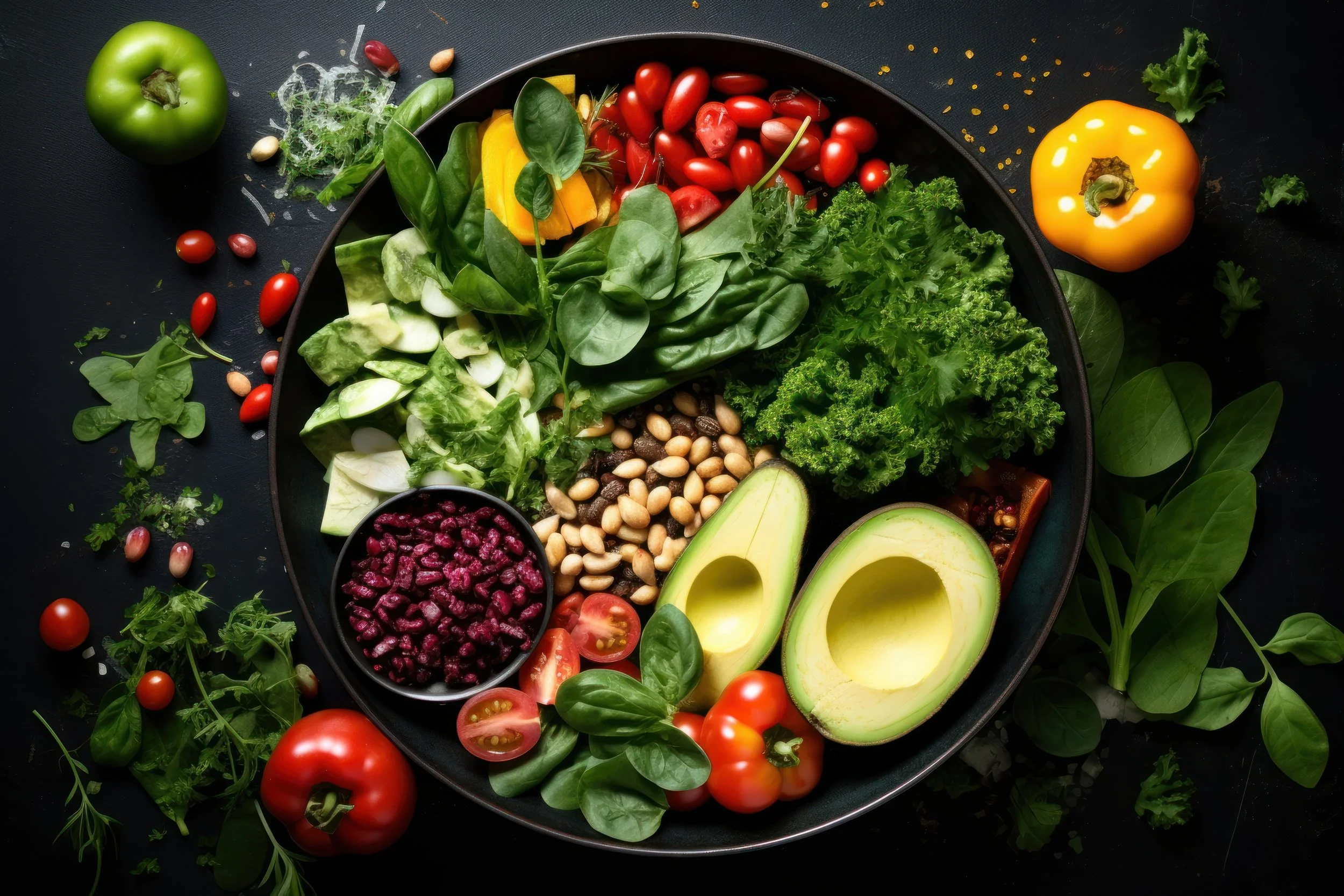
Image by Freepik
Veganism is good for the environment, good for animals, and good for you.
The Circle of Life.
Imagine “factory farms” as they are called in America with hormone, steroid, antibiotic-fed animals. This is not okay. This is pure evil.
Imagine a little female cow. She is supposed to grow naturally. When you put steroids in her, she might have serious issues. Pure cruelty.
Did you know that men’s genitalia shrink when they use steroids?
Then, you who eat meat eat these animals. Your testosterone could decline. Your brain could become discombobulated. You could become exactly like the animal. Totally out of it, disproportional, and depressed.
This is ugly. It is awful. If you are a parent, rethink what you feed to your children.
This is about their and your brain health, proportionalities, abilities.
It’s not really a hard choice. Love your child. Love the animals. Love the earth. Love your body.
Also, for you men, who may have a more difficult time with understanding this equation; steroids can affect your erectile dysfunction:
“What Steroids Actually Affect
Testicular Atrophy (Ball Shrinkage): Anabolic steroids cause the testicles to shrink.
How it Happens: When you take external testosterone (steroids), your body stops producing its own. This leads to the testicles, which produce natural testosterone and sperm, shrinking from disuse.
Reversibility: Testicular shrinkage is often temporary, but the time it takes to return to normal depends on the duration and dose of steroid use.
Potential Impact on Appearance and Function
Appearance: Excessive weight gain or fat accumulation around the lower abdomen/genital area (sometimes a result of muscle-building) can make the penis appear shorter.
Performance: Steroid abuse can cause erectile dysfunction and reduced libido, which can negatively affect sexual performance.” — Google AI
Also, hormones are extremely dangerous:
“Hormones from factory-farmed animals, including added growth hormones and natural estrogen, can potentially disrupt human hormone systems, contributing to issues like increased estrogen-sensitive cancer risks, reproductive health problems, and imbalances.
Key Details on Hormone Exposure:
Endocrine Disruption: Hormones in meat and dairy (estrogen, testosterone, progesterones) can act as endocrine disruptors, interfering with the body’s natural hormone production, reports Saffron Alley.
Impact on Women: Consumption has been linked to higher risks of hormone-sensitive cancers (breast, ovarian) and, according to The Humane League and a study cited by the World Health Organization, conditions like PCOS (polycystic ovary syndrome) and infertility.
Specific Sources: Sanos Wellness reports that factory-farmed beef, dairy, and eggs can contain elevated hormone levels, with eggs sometimes being a significant source of estradiol, notes a blogger.
Types of Hormones: In the U.S., livestock may be given estrogen, progesterone, and testosterone to speed growth, which can remain in the meat.”
Then you eat this meat, and you then become at risk of many serious diseases. Discombobulation. Decreased brain performance. Decreased sexual performance. Possibility of growth issues in your child.
Are you disgusted yet?
Here’s Google AI’s response about antibiotics put in animals:
“Antibiotics and synthetic hormones used in factory-farmed animals can potentially disrupt women’s hormone balance, contributing to issues like irregular menstrual cycles, early puberty, and increased risk of hormone-sensitive cancers. These substances are used to promote growth and prevent disease, with residues remaining in meat and dairy products.
Key Impacts on Women’s Hormones:
Hormone Disruption: Synthetic estrogens and testosterone used in livestock (like cattle) can enter the human body, causing imbalances that worsen symptoms such as PMS, acne, and mood swings.
Early Puberty & Reproductive Health: High exposure to added hormones is linked to accelerated, earlier menstruation and development in young girls.
Long-term Health Risks: Consumption of residues is associated with a higher risk of breast and prostate cancers, partly due to the estrogenic compounds used in production.
Gut Health Impact: Antibiotics in food can destroy the gut microbiome, which is essential for regulating hormones and metabolism, indirectly affecting overall hormonal health.” — Google AI
Other Affects on Men and Women:
Antibiotic-Resistant Infections: The overuse of antibiotics — often for growth promotion or disease prevention in cramped, unhygienic conditions — creates bacteria resistant to drugs essential for human medicine.
Reduced Treatment Effectiveness: Infections caused by these bacteria, such as those from Salmonella, are more difficult to treat, resulting in higher illness severity and, in some cases, death.
Dietary Exposure: Consumption of antibiotic residues in food can damage human intestinal flora and, in rare instances, cause allergic reactions.
Environmental Spreading: Antibiotic-resistant bacteria can enter the human food chain through manure used as fertilizer or water contaminated by livestock waste. — Google AI
Now are you questioning, traumatized, wondering, crying, disgusted?
Here are some solutions for you below to help:
Here are some Vegan Recipes to try, along with Proper Nutritional Vegan Diet Recommendations. Detoxification may take awhile. Take note of how you feel over a three month period.
Just give it a try! Like with meditation, perhaps start with 3 days a week, or 2/3 meals a day vegan or vegetarian. Or go all in! See the results after 1 week, 1 month, 3 months. Does your brain function better? Do you feel better? Email me with your results if you’d like!
Also, note that I prefer veganism with real fruits and vegetables. If you go to the organic stores or even at the major markets, the vegan products can be quite expensive, and low calorie. So kind of a bad deal, especially if you’re not wealthy.
I make these recipes easy time-wise by cooking the grains in a large pot, freezing part of them, and taking the cooked portions out when needed.
The vegetables I keep fresh. I find they are less tasty when frozen. I don’t even cook the vegetables. That takes away the nutrients.
So it makes meal preparation pretty easy.
I also love Sun Warrior Plant-Based Protein Powder, which also has a lot of healthy amino acids, which are essential for brain health.
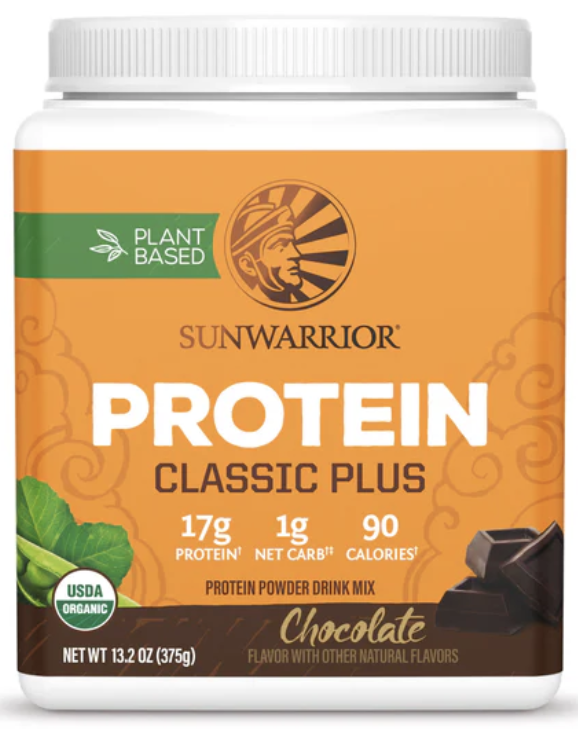
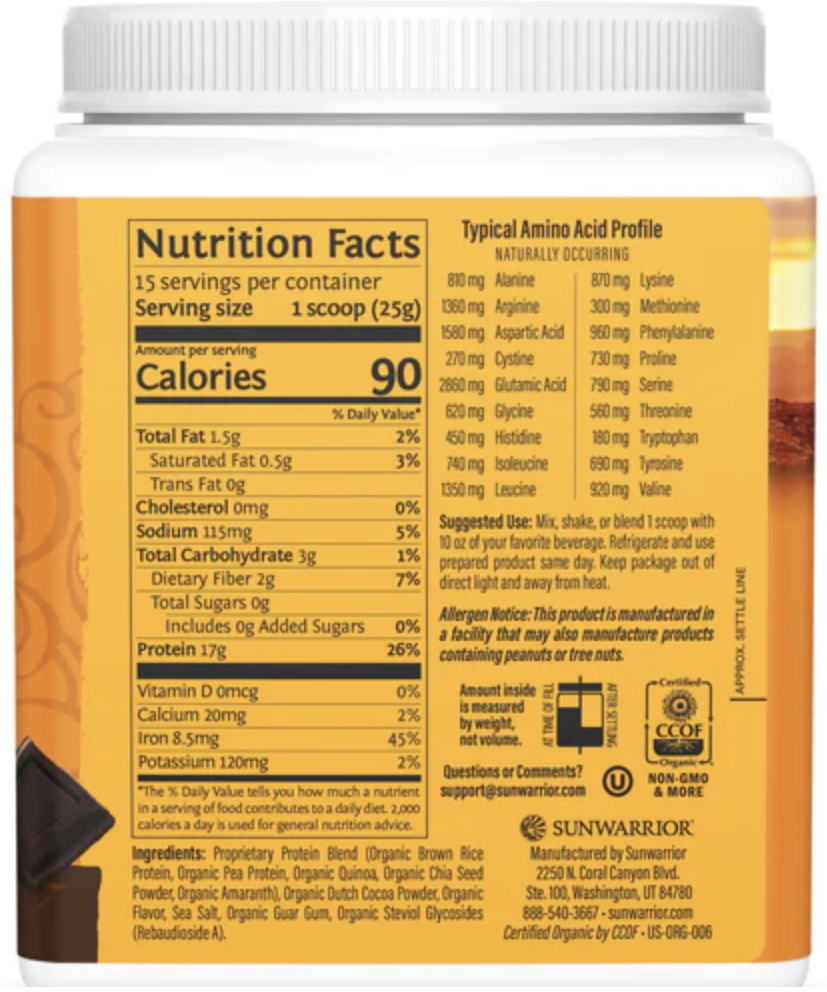
I also eat all my meals with freshly-made blended juices with oranges, limes, and whatever other fruits you like, mixed with sugar. Sugar is okay, even on an ascension diet. You can make a large pitcher, and freeze the juice. Then you only have to do it like every 3 days.
As I write in my article, I believe people around the world who are eating meat can actually be anemic and have nutritional problems. It’s about the combination of iron plus vitamin C at the same time is what I’ve researched and experienced in my own body to feel good.
I drink the iron-rich Protein Powder, Amino-Acid drink plus the fresh vitamin C juice throughout the day. Then I have 1–3 meals depending on how hungry I am.
Also, people are consuming massive amounts of gluten, which has Genetically Modified Organisms (GMOs), which make you bloated and obese. So I suggest avoiding gluten as much as possible.
And for vegans, remember/know you need B12, nutritional yeast, to supplement animal products. It is actually a very tasty addition to the recipes. I use Vivir in Peru, however, in the world there are many options, such as, Thankfully Nourished, Bob’s Red Mill, or Bon Vegan.
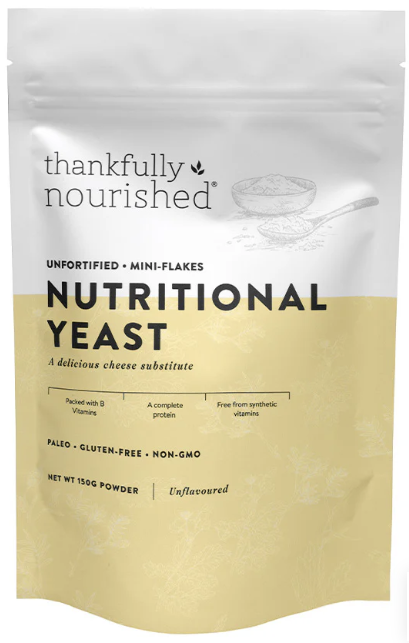
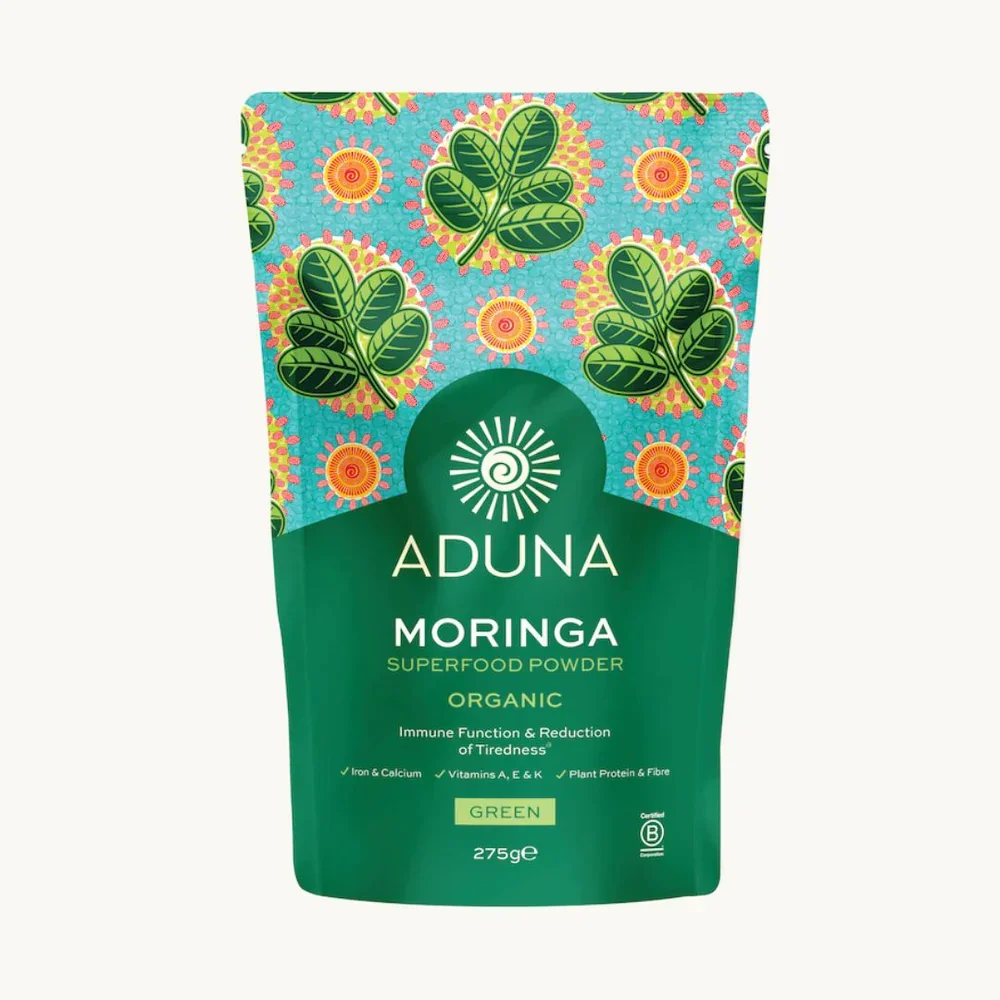
Also, as a tip, I use moringa powder for even more nutrients. It’s a superfood. Vitamins in pill form do not work.
I believe we need vitamins from plants, in combinations that make sacred geometric patterns that allow our bodies to digest them.
“Moringa (Moringa oleifera) is a nutrient-dense “superfood” packed with vitamins A, C, and E, calcium, potassium, and amino acids that boost immunity, reduce inflammation, and improve heart health. Its high antioxidant content combats oxidative stress, while studies suggest it helps manage blood sugar, lower cholesterol, and support skin and digestive health.
Key Health Benefits of Moringa
Nutritional Powerhouse: Moringa leaves are exceptionally high in essential nutrients, often containing more vitamin C than oranges, more potassium than bananas, and more calcium than milk.
High Antioxidant & Anti-inflammatory Properties: The leaves contain phenolic compounds, quercetin, and chlorogenic acid, which protect cells, reduce chronic inflammation, and may lower blood pressure.
Blood Sugar Management: Compounds in moringa, such as isothiocyanates, can improve insulin sensitivity and help regulate blood sugar levels, making it beneficial for diabetes management.
Heart Health & Cholesterol: Moringa has been shown to help lower cholesterol levels and reduce inflammation linked to heart disease.
Immunity & Energy Booster: It is rich in iron, vitamin C, and compounds that support immune function and increase energy levels.
Digestive & Skin Health: Its high fiber content supports digestion, while its antimicrobial properties may improve skin health.” — Google AI
Okay, so here are three recipes. You can go on Google and find perhaps two more if you’d like, or make your own creations!
(*Note: The nutritional facts are from Google AI)
Recipe 1: Hearty Bowl
Quinoa (Protein; highly nutritious, gluten-free whole grain, technically a pseudo-cereal, rich in complete protein, fiber, and essential minerals; manganese, magnesium, and phosphorus, supporting metabolism, bone health, and energy.)
Kale (Vitamins A, B6, C, K, folate, fiber, carotenoids and manganese)
Carrots (Beta-carotene & Vitamin A: Extremely high; essential for eye health, immune function, and skin health; Potassium: aiding in blood pressure management; Fiber: which promotes digestive health; Good sources of Vitamin K1 (bone health), B6, and Vitamin C; Antioxidants: Contains alpha-carotene, lutein, and lycopene, especially in darker or colored varieties.)
Olive Oil (Olive oil is a nutrient-dense, heart-healthy fat consisting mainly of monounsaturated fatty acids (roughly 73–77%), particularly oleic acid. One tablespoon (14g) provides about 119–120 calories, 13.5g–14g of total fat, and is rich in vitamin E (approx. 10–13% DV) and vitamin K (approx. 7% DV). It contains no cholesterol, carbohydrates, or protein.)
Salt (Essential for nerve function and fluid balance.)
B12 Nutritional Yeast (Remember as a Vegan you need B12! Read my article here for more information.)
Recipe 2: Noodle Dish
Rice Noodles (High-energy carbohydrates (approx. 80g per 100g raw) with low fat and moderate protein (~7g per 100g raw). It is a rich source of manganese and selenium, though brown rice offers significantly more fiber, antioxidants, and nutrients compared to refined white rice.)
Sauce made of:
Cashews (5g of protein, 12–13g of fat (mostly heart-healthy unsaturated fats; significant amounts of copper, magnesium, manganese, and zinc, which support heart health, bone strength, and immunity.)
Tomatoes (Packed with vitamins A, C, and K, along with potassium, fiber, and the potent antioxidant lycopene. They are beneficial for heart health, skin, and bone density. Key nutrients include folate, antioxidants like quercetin, and essential minerals.)
Rosemary (It is packed with antioxidants, specifically polyphenol compounds, which may support brain health, reduce inflammation, and enhance memory.)
Thyme (Particularly high in vitamins A, C, and K, as well as iron, calcium, and manganese. While typically consumed in small amounts, it provides significant antioxidants.)
Sage (Rich in Vitamin K, offering 29–30% of the daily value (DV) in just 1 tablespoon (approx. 0.7g — 1.5g) of ground sage. It is high in antioxidants, polyphenols, and essential minerals like calcium, iron, and magnesium.
Olive Oil (Olive oil is a nutrient-dense, heart-healthy fat consisting mainly of monounsaturated fatty acids (roughly 73–77%), particularly oleic acid. One tablespoon (14g) provides about 119–120 calories, 13.5g–14g of total fat, and is rich in vitamin E (approx. 10–13% DV) and vitamin K (approx. 7% DV). It contains no cholesterol, carbohydrates, or protein.)
Salt (Essential for nerve function and fluid balance.)
B12 Nutritional Yeast (Remember as a Vegan you need B12! Read my article here for more information.)
*I got this idea for the cashew sauce from this website, Walder Wellness.
Recipe 3: Soup
Potatoes (Nutrient-dense root vegetables, providing roughly 87–110 calories per 100g (or medium potato), with high levels of potassium and Vitamin C, acting as a good source of vitamin B6. They are free of cholesterol and rich in fiber when consumed with the skin.)
Split Peas (Highly nutritious, low-fat, and calorie-dense legume packed with plant-based protein and fiber. A 1-cup serving of cooked split peas contains approximately 16g of protein and 16g of fiber, alongside high amounts of folate, iron, potassium, and magnesium. They are low-glycemic, aid satiety, and are rich in complex carbohydrates.)
Cauliflower (Cauliflower is a highly nutritious and packed with fiber. It is an excellent source of Vitamin C (over 50% DV) and Vitamin K (13–14% DV), while also providing folate, potassium, and beneficial antioxidants.)
Rosemary (It is packed with antioxidants, specifically polyphenol compounds, which may support brain health, reduce inflammation, and enhance memory.)
Thyme (Particularly high in vitamins A, C, and K, as well as iron, calcium, and manganese. While typically consumed in small amounts, it provides significant antioxidants.)
Sage (Rich in Vitamin K, offering 29–30% of the daily value (DV) in just 1 tablespoon (approx. 0.7g — 1.5g) of ground sage. It is high in antioxidants, polyphenols, and essential minerals like calcium, iron, and magnesium.
Olive Oil (Olive oil is a nutrient-dense, heart-healthy fat consisting mainly of monounsaturated fatty acids (roughly 73–77%), particularly oleic acid. One tablespoon (14g) provides about 119–120 calories, 13.5g–14g of total fat, and is rich in vitamin E (approx. 10–13% DV) and vitamin K (approx. 7% DV). It contains no cholesterol, carbohydrates, or protein.)
Salt (Essential for nerve function and fluid balance.)
B12 Nutritional Yeast (Remember as a Vegan you need B12! Read my article here for more information)
Here is my other article on a proper vegan diet posted below if you want to continue reading. Please comment if you have additional suggestions or recipes!
Proper Nutritional Vegan Diet Recommendations
From my own experience, experimentations, and research
Image by Freepik
I became vegetarian with the exception of chicken and turkey at age 12. My heart had heard the cries of the cows, growing up in South Dakota. So, I knew something was not right.
I was fortunate to have an aunt who was a vegetarian and volunteered to help save the turtles in California, Texas, and then Florida. I also was fortunate to have a brother-in-law whose wife was a vegan.
However, my brother (father’s son)’s wife experienced a lot of malnutrition issues and eventually had to leave veganism. This made me question the nutritional needs of people in general.
At the age of 14 I became completely vegetarian, and was for years. Even when I was in the Middle East, I ate hummus, fava beans, falafel. I was fine. Even when I was in Mali, West Africa in the Peace Corps, I was vegetarian. My mother would send me care packages of protein bars that were probably helpful. However, the Malian diet also consisted of beans (haha, if you speak Bambara or Malinke).
Then I moved to Morocco. I had a friend visit and we went on a tour around the country. The main dishes were meat. I was around the age of 25. So I decided to try eating meat there. I also experimented with pescetarianism.
After that experience, I went in between eating meat, or being pescetarian, or vegetarian, or being vegan.
When I experienced my spiritual awakening, I obviously wanted to be vegan.
So I experimented with being vegan. However, I didn’t like that I didn’t have enough variety of foods. I felt I was lacking.
So I became vegetarian again. Sometimes pescatarian. Sometimes, on occasion, meat.
Then, about a year ago I moved back to Peru, where I had lived a few years back to integrate my spiritual awakening with plant medicines, nature, and ancestral culture.
The higher in frequency you become upon being spiritually awakened, the more sensitive you become. (I will define spiritual awakening as becoming more conscious of every moment and every word and every action, every decision, every energy you put out, everything you put into your body, everything you put into the earth…your karmic impact basically). So, I wanted to try veganism again. Meat, dairy, and fish did not feel good in my body.
At the same time, I became sadly aware of the crisis of anemia in Peru. I could feel the energy of children and adults who were malnourished and it made my heart cry. If you don’t know, anemia is a sign of a lack of iron, B12, and B9 (folate). You can read more about it here.
I then found out about kaniwa, kiwicha, and quinoa. They are all local Peruvian grains. They contain iron and are complete proteins! Wow! A complete protein contains all 9 essential amino acids, if you didn’t know.
Potatoes are complete proteins. However, rice and other grains are not. So you have to pair them with beans to ensure you get all 9 amino acids in your diet. Do a google research to know if you need to pair your grain with something else to get all your amino acids.
However, what I realized in my own personal experimentation was that these iron-filled nutritional grains needed to be paired with vitamin C.
While doing research, I learned that vitamin C helps absorb the iron.
There are many people in America with anemia as well. They even eat meat. However, I believe they are not pairing it with vitamin C. Hamburgers include tomato sauce. That may be a suggestion that tomatoes would be beneficial.
Additionally, most Americans drink wine or beer with meals, which can take away the nutritional benefits of the foods. Coffee definitely as well.
I now drink real fruit juices with my meals, and I believe that is much healthier.
You can also then experience the benefits of an electrolyte balance. Salt in your iron-filled meal with the combination of sugar in your vitamin C fruit juice will provide you with the proper electrolyte balance.
I’m not sure if some people do not eat salt because they are drinking alcohol with their meals, and not real fruit juices. There’s so much controversy over salt in America. Could it just be that we need to drink real fruit juices with vitamin C and sugar with our iron-rich salty meals to stay healthy?
In my own experimentation with my personal body, and how it feels, I recommend Complete Proteins for Iron and Amino Acids, mixed with Vitamin C fruit juices to get your nutritional and electrolyte needs met.
I also researched that vegans also may be lacking in Vitamin B12. You can get it in small amounts in foods, but, if you can in your local community, find nutritional yeast and that will solve that problem. It contains Vitamin B12 so then you don’t have to worry. I like sprinkling it on potatoes. Get creative and discover recipes that your body enjoys!
To ensure you get your B9 in to not become anemic, here are the foods recommended by Google AI:
Good sources of folate:
Leafy green vegetables (e.g., spinach, kale)
Broccoli, Brussels sprouts
Peas, chickpeas, kidney beans, lentils
Pretty easy, huh!
I have also diversified my consumption of meals. I recommend completely being gluten-free (it makes you bloated, fat, I would limit your intake darlin’).
You can still have spaghetti, it will just be made of rice or chickpeas or some other vegan ingredient, so no worries.
Try quinoa. Try vegan burgers. Try falafel.
Get creative! Vegetables are very important. Just add some spices and salt and Love and there you go!
Another piece of information I would like to share is about soy. Some vegans just eat soy all the time, because maybe they don’t know about a variety of foods to eat.
However, this may be dangerous to your body. Definitely only eat soy that is GMO-free (genetically modified organism). As GMOs were created by bizarre methods and may alter your DNA in ways that are harmful.
Soy also may be harmful to you because of hormones (men especially pay attention).
Here is what Google AI says about soy:
Some reasons to avoid or limit soy consumption include potential digestive issues, concerns about genetically modified organisms (GMOs), possible thyroid issues, or potential negative effects on hormonal balance, especially in men, though scientific evidence is often contradictory and not fully conclusive.
Potential Reasons to Avoid Soy Consumption:
Digestive Issues:
Phytic Acid: Soybeans contain phytic acid, which can hinder the absorption of certain nutrients like iron and zinc.
Gas and Bloat: Some individuals experience digestive discomfort, gas, and bloating when consuming soy products.
GMO Concerns:
Genetically Modified Organisms (GMOs): Many soy crops are genetically modified, which raises ethical and scientific concerns for some people.
Thyroid Concerns:
Goitrogens: Soy contains compounds called goitrogens that can interfere with thyroid hormone production, potentially leading to hypothyroidism or goiter (thyroid enlargement).
Hormonal Effects:
Phytoestrogens: Soy contains phytoestrogens, plant compounds that mimic estrogen, and there are concerns that they could disrupt hormonal balance, particularly in men, and potentially lead to breast enlargement, lower sperm count or decreased fertility in men.
Allergies:
Soy Allergens: Soy is a common allergen, and individuals with soy allergies can experience allergic reactions, including hives, difficulty breathing, and other symptoms.
Potential Nutrient Deficiencies
Soy Milk: Excessive consumption of regular soy milk could lead to nutrient deficiencies.
Other:
Bladder Cancer: Some studies suggest that soy products might increase the chance of getting bladder cancer.
Sustainability concerns:
Environment impact: Soy production requires a large amount of land and resources, and contributes to deforestation and greenhouse gas emissions.
Important Considerations:
Moderation:
Many sources recommend consuming soy in moderation or avoiding processed soy products and choosing non-GMO varieties if possible.Individual Tolerance:
Some individuals may be more sensitive to soy than others, so it’s important to pay attention to how your body reacts to it.Scientific Evidence:
Research on the effects of soy is ongoing and sometimes contradictory, so staying informed about the latest findings is crucial.Soy and Breast Cancer:
Current evidence indicates it’s safe for women who have had breast cancer or who are at risk for breast cancer to eat soy foods.
As I mentioned, having a spiritual awakening typically leads one to consider the lives of animals and the health of the planet.
Here is what Google AI says about the benefits of a vegan diet on carbon emissions:
If the entire world transitioned to a vegan diet, there could be a significant positive impact on climate change, especially through the reduction of livestock farming’s greenhouse gas emissions and land usage.
Here’s a breakdown of potential effects:
Reduced Greenhouse Gas Emissions:
Livestock farming is a major contributor to greenhouse gas emissions, particularly methane and nitrous oxide, and a global vegan shift could lead to significant reductions.
Some studies suggest that phasing out animal agriculture within 15 years could have the same effect as a 68% reduction in carbon dioxide emissions through the year 2100.
Methane is a potent greenhouse gas and a global switch to plant-based diets would cut emissions from food production by 28%.
Land Use Reduction:
Livestock farming requires vast amounts of land, including for grazing and growing feed crops, while plant-based diets require less land per calorie.
A shift to veganism could free up land currently used for livestock, potentially allowing for reforestation and other conservation efforts.
Water Usage Reduction:
Livestock farming is also a major consumer of water, and a vegan world would likely see reduced water consumption.
Water usage would decrease by 19% if everyone went vegan.
Food Production Changes:
A shift to a plant-based diet could necessitate changes in food production systems, such as shifting towards more sustainable farming practices.
This could include regenerative agriculture, which aims to improve soil health and carbon sequestration.
So in summary:
Complete Proteins to get all 9 amino acids
Iron plus Vitamin C to absorb the iron
Electrolyte balance of salt and sugar
B12 — Nutritional Yeast
B9 — kale, brussel sprouts, lentils, etc.
Diversity of foods for fun
Caution with soy
Feel good about your reduction of harm to animals and reduction of carbon emissions so we can breathe oxygen and survive as a species
Written by
Ashley Heacock, Shaman, Medicine Woman, Mentor Guide
MIT Sloan School of Management, MBA
Harvard Kennedy School of Government, MPA
The George Washington University, BA Economics, BA International Affairs
Contact for healing sessions: ashleyheacock@gmail.com
Website: awakeningconsciousness.community