Rebuilding the Ozone Layer Could Save the Earth!
It’s entirely possible! Wow! Yay! Read this article to learn more.

Image by Magnific
We are a human species that is just getting used to this concept of being One World.
The water cycle is One.
The air we breathe, the water underground, the rain, the glaciers, the ocean, the rivers. It’s all interconnected.
We are in an emergency climate change situation. Africa could become completely barren, uninhabitable for people and animals and plants. You can read my article to learn more.
However, did you know that we can take preventative and positive action to heal the Ozone Layer?
From Google AI:
“The ozone layer, which protects Earth from harmful UV radiation, is currently healing due to the global phase-out of ozone-depleting substances (ODS) like chlorofluorocarbons (CFCs) under the Montreal Protocol.
Many plants and trees help mitigate ground-level ozone pollution (a major component of smog) and absorb toxins that contribute to environmental degradation.
Hemp as a Solution!
Hemp can absorb twice as much CO2 per hectare as forests and significantly more than conventional crops like cereals.
Hemp vs. Other Plants: CO2 Absorption Rates
Hemp:One hectare of industrial hemp can absorb between 8 and 22 tonnes of CO2 during its growing season, which typically lasts for about 100 days. This high rate is due to its rapid growth and efficient conversion of CO2 into biomass.
Here are other plants and trees known for improving air quality and combatting harmful ozone:
Top Houseplants for Removing Indoor Ozone & Pollutants
Studies, including research from NASA, have shown that certain houseplants can absorb ground-level ozone and volatile organic compounds (VOCs):
Golden Pothos (Epipremnum aureum): Highly effective at absorbing ozone and other toxins.
Snake Plant (Sansevieria trifasciata): Excellent for removing VOCs and, according to research, capable of reducing indoor ozone levels.
Spider Plant (Chlorophytum comosum): Effective at reducing various indoor air pollutants and absorbing toxins.
Peace Lily (Spathiphyllum): Known to absorb a wide range of toxins, including benzene, formaldehyde, and ammonia.
Areca Palm (Dypsis lutescens): Known to absorb toxins and add humidity to the air, helping to keep indoor air clean.
Trees that Help Protect the Atmosphere
Trees play a vital role in cleaning the air and fighting climate change, which supports the overall health of the atmosphere:
Neem Tree: Known for its ability to absorb carbon dioxide and release oxygen.
Peepal Tree (Ficus religiosa): An effective, 24-hour oxygen-releasing tree that helps purify the air.
General Trees: Trees in general absorb nitrogen oxides (𝑁𝑂𝑥), which are key precursors to the formation of ground-level ozone.
Plants as Biological Indicators
Some plants are highly sensitive to ozone and act as “bioindicators,” allowing scientists to monitor air quality by observing damage to their leaves:
Cutleaf coneflower (Rudbeckia laciniata)
Trumpet creeper (Campsis radicans)
Black cherry (Prunus serotina)
American sycamore (Platanus occidentalis)
How Plants Help
Stomatal Absorption: Plants take in polluted air (including low-level ozone) through tiny pores in their leaves called stomata, metabolizing low doses without damage.
Soil Microorganisms: The roots of plants and the associated microorganisms in the soil are responsible for breaking down many of the toxic compounds absorbed from the air.
While plants help purify the air we breathe, the primary solution for healing the ozone layer remains the reduction of industrial emissions.” — Google AI
However, unfortunately almost all countries are not fulfilling their promises to reduce emissions.
From Google AI:
Most countries are not currently on track to meet the Paris Agreement goals, as global emissions continue to rise rather than decline. While over 145 countries have net-zero pledges covering 77% of emissions, only a few have “acceptable” plans. Significant gaps remain between pledges and the actions required to limit warming to 1.5∘C.
Key Findings on Global Progress
Emissions Growth: Despite decarbonization plans in 35 nations, global fossil carbon emissions continue to rise, with a projected 1.1% increase in 2025.
Gap to 1.5°C: Current climate policies and pledges (NDCs) would only reduce emissions by about 10–12% by 2035 compared to 2019 levels, far short of the required 55% reduction needed for the 1.5°C target.
Major Emitters: While some countries like Australia and Germany show significant declines, major emitters have mixed results. China’s emissions are growing slower, but are still rising, while the US is expected to see emissions grow above recent trends.
Net-Zero Plans: While 145 countries have announced net-zero targets, only six of 41 assessed countries have robust plans deemed “acceptable” by experts.
Leaders and Laggards
Progressive Action: Sweden, Norway, and the UK were among the first to commit to net-zero targets.
Lagging Efforts: Many countries have failed to update their 2030/2035 climate plans, and even developed nations like Canada are currently projected to fall short of their targets.
The UNEP 2025 report indicates that to keep warming below 1.5∘C, countries must urgently strengthen their commitments and shift from pledges to implementation.” — Google AI
I will add that it’s unfair to judge countries in poverty. We need to help them invest in green technology, help them plant hemp.
A UBS Global Wealth Report found that in 2023, the world’s richest 1% owned around 47.5% all the wealth. Meanwhile, adults with less than $10,000 make up nearly 40% of the world’s population and only hold less than 1% of the wealth. Quite a drastic difference.
So let’s do the right thing. Let’s help our neighbor. The investment back to the Earth, our survival, would be lovely. :)
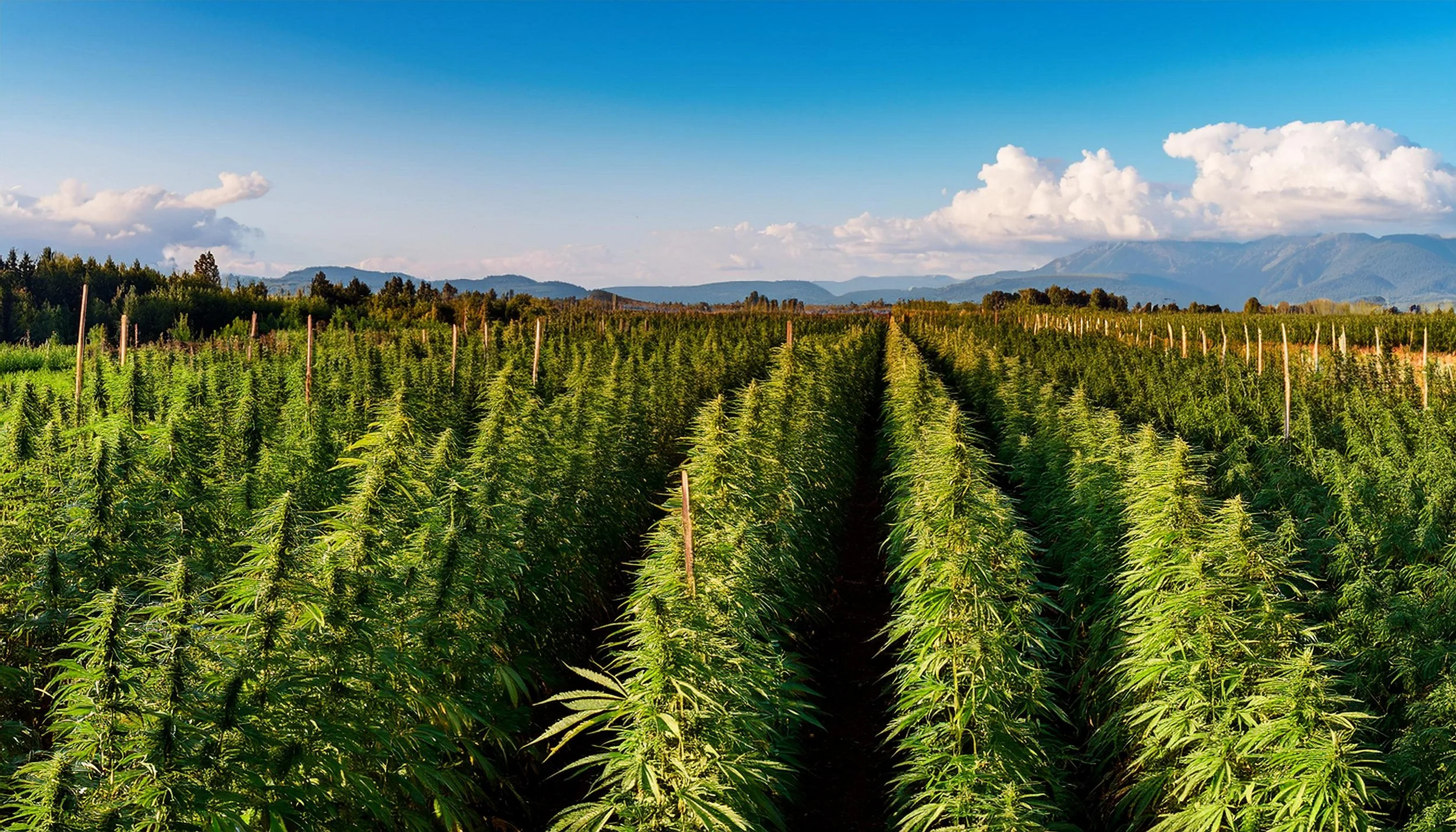
Image by Freepik
I recommend cannabis/hemp as a CO2 cheap and easy way to reduce emissions. Many countries are poor, so this may be a feasible option for them.
Each industrial zone should have a cannabis/hemp farm next to it, along with flowers, herbs, and other plants that can absorb CO2 and rebuild the ozone by depleting carbon and adding beautiful smells to it.
From Google AI:
“Hemp can absorb twice as much CO2 per hectare as forests and significantly more than conventional crops like cereals.
Hemp vs. Other Plants: CO2 Absorption Rates
Hemp: One hectare of industrial hemp can absorb between 8 and 22 tonnes of CO2 during its growing season, which typically lasts for about 100 days. This high rate is due to its rapid growth and efficient conversion of CO2 into biomass.
Forests/Trees: Forests typically capture 2 to 6 tonnes of CO2 per hectare per year. While a single, mature tree can store a large amount of carbon over its 40-year lifespan, the rapid annual growth cycle of hemp means it can achieve a much faster CO2-to-biomass conversion rate per year of cultivation.
Cereals: In comparison, cereals store about 1 tonne of CO2 per hectare per year.
Bamboo: Bamboo is another fast-growing plant known for binding large amounts of CO2.
Key Advantages of Hemp for Carbon Sequestration
Rapid Growth: As one of the fastest-growing plants in the world, hemp can reach up to 4 meters in approximately 100 days, allowing for a rapid carbon turnaround and even two crops per year in ideal conditions.
Efficient Photosynthesis: Hemp is a C4 plant, which makes it more efficient in carbon dioxide absorption compared to C3 plants (like many trees and traditional crops).
Long-Term Storage Potential: The absorbed CO2 is stored within the plant’s fibers and woody core, which can be processed into long-lasting products like building materials (e.g., “hempcrete”), textiles, and car parts. This locks the carbon away for a long time, potentially resulting in carbon-negative materials.
Soil Health: Hemp’s deep taproot system improves soil health, aids in nutrient uptake, helps prevent soil erosion, and can even perform phytoremediation (absorbing toxins from the soil).” — Google AI
This is a possible solution that could save Africa, the Earth, and Life Herself. Please share this article with anybody who you think can help!
Written by
Ashley Heacock, Researcher, Writer, Mentor, Healer, Guide
MIT Sloan School of Management, MBA
Harvard Kennedy School of Government, MPA
The George Washington University, BA Economics, BA International Affairs
Contact: ashleyheacock@gmail.com
Website: awakeningconsciousness.community