Climate Change will make Africa uninhabitable; We need a shift in consciousness from “let’s adapt to climate change”, to “let’s take preventative action NOW” and ensure our survival as a species
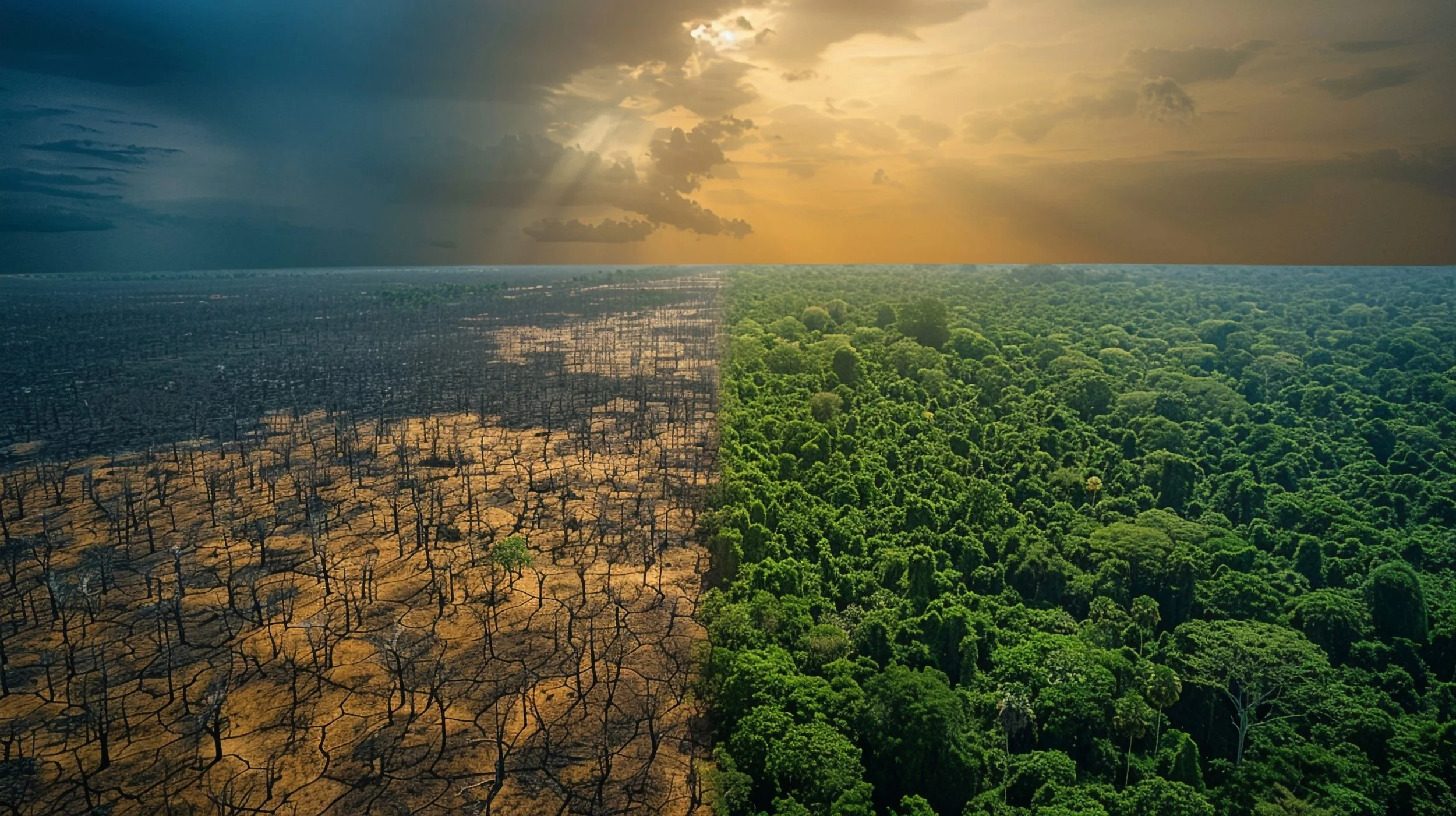
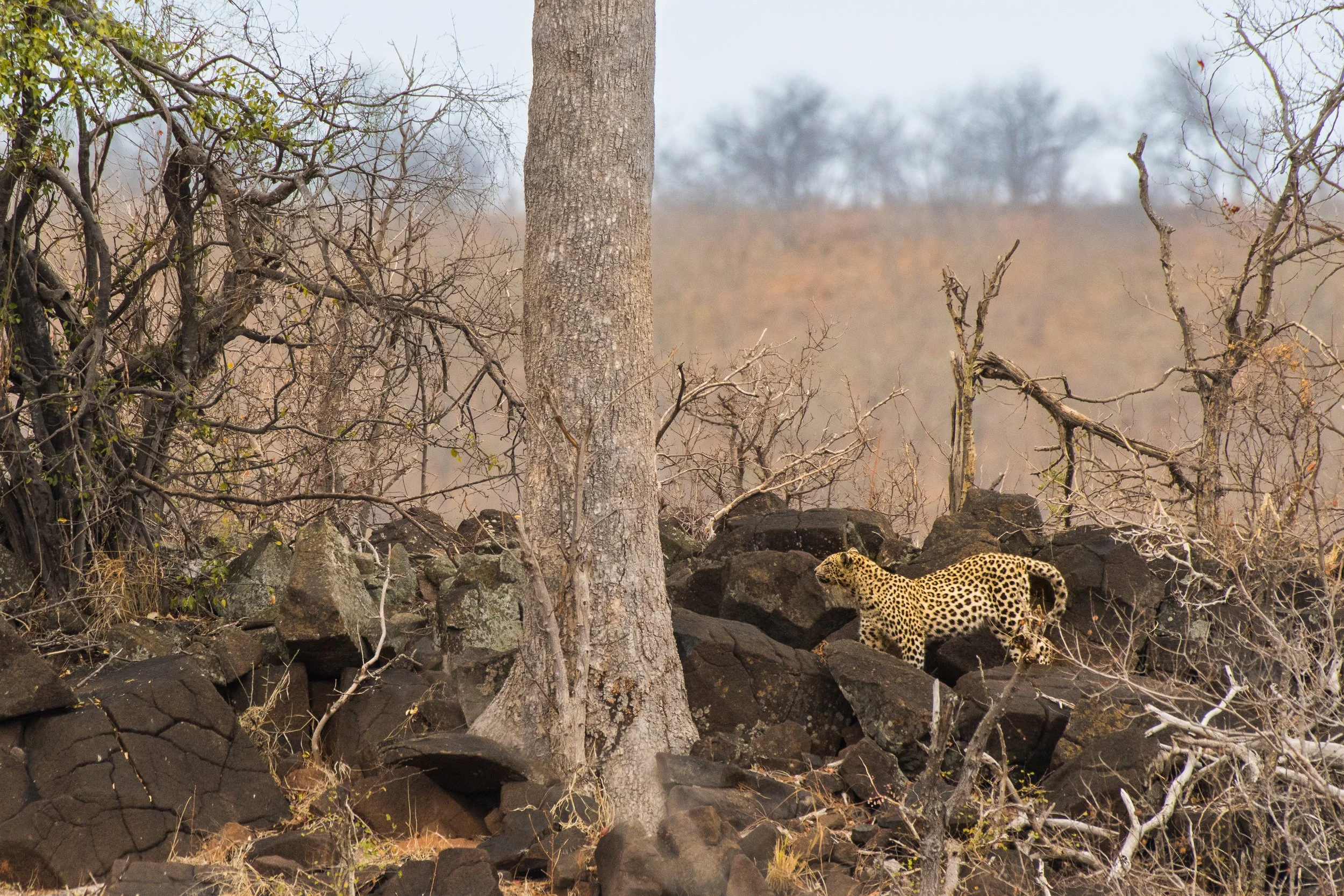
Africa to the left, or Africa to the right? Your choice. Image by Freepik
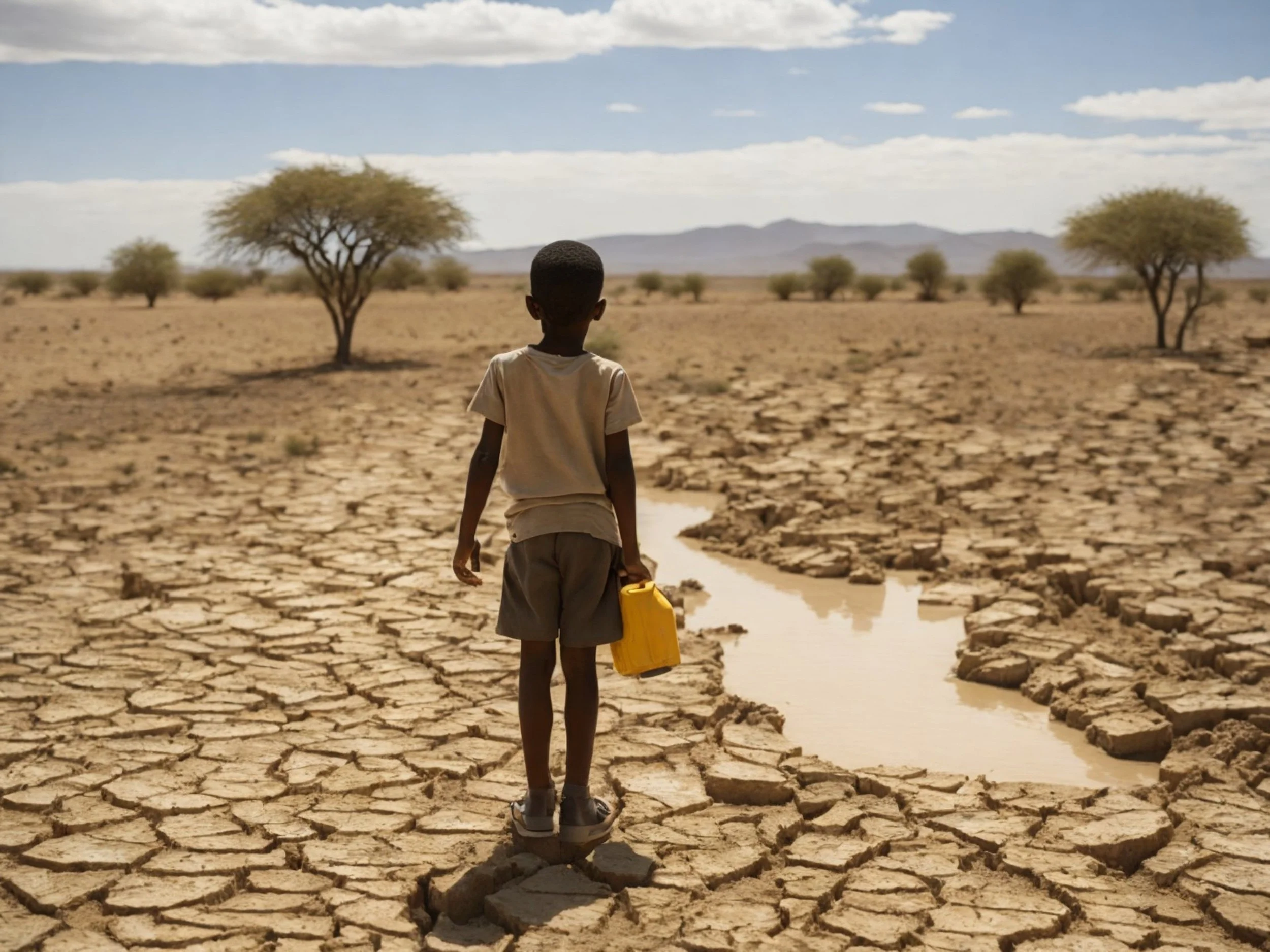
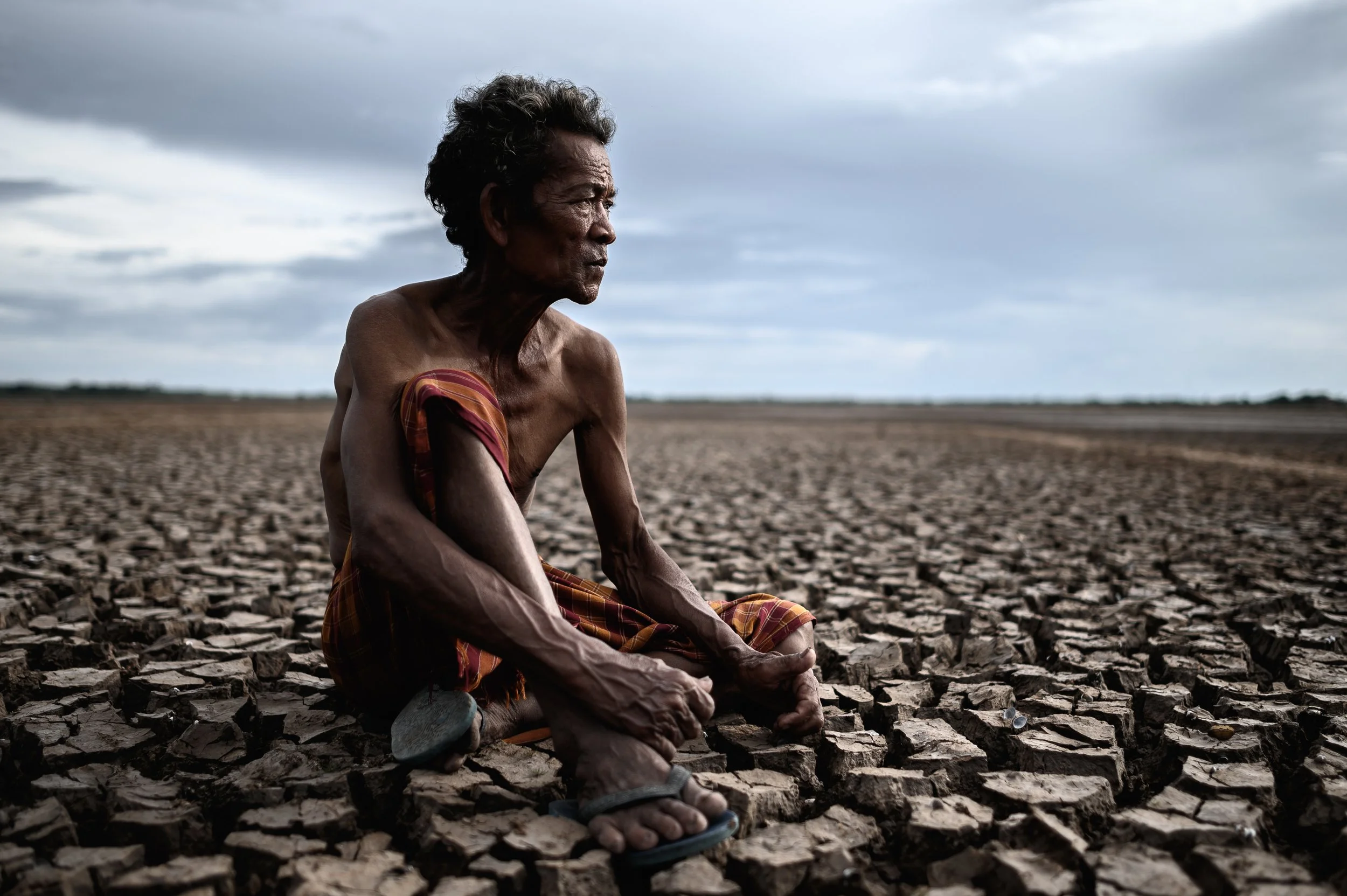
Did you know that Africa, basically the entire continent, could become uninhabitable due to climate change? (And why? Consumerism of the rich, pollution of the coal and petroleum industries that get into the air, toxins like fertilizers and pesticides in the soil that get in the water, steroids, antibiotics, and hormones in the water from animal manure, etc. that all ends up in the air, and destroys the ozone layer, melting glaciers, making our earth so hot that Africa could become uninhabitable. It also creates pollution in the air that is not pleasant to breathe.There have already been indigenous islands that sunk underwater due to more ocean water. Children in Pakistan cannot go to school because of industrial manufacturing in India that makes the air quality so dangerous. The air is water. The water is air. There is a water cycle. It is all One. We need to understand this concept.
This is about our survival as a species.
Read this about this emergency situation in Africa that “could” happen if we do not act quickly. It is from Google AI:
“In the future, Africa is expected to face severe and disproportionate impacts from climate change, including accelerated warming, worsening water scarcity and droughts, increased extreme weather events (floods and cyclones), significant threats to food security and agriculture, and major economic and health crises. These changes are projected to intensify existing socio-economic vulnerabilities across the continent.
Key Projected Impacts
Rising Temperatures: Africa is warming at a rate slightly faster than the global average, a trend expected to continue. Extensive areas may exceed 2 °C of warming above pre-industrial levels by late this century, leading to more frequent and longer heatwaves with associated health risks and reduced capacity for outdoor labor.
Water Scarcity and Droughts: Drier conditions are projected for North Africa and the southwestern parts of South Africa, while multi-year droughts are expected to become more frequent and severe in many regions. This will put immense pressure on already limited water resources, impacting human consumption, agriculture, and hydropower generation.
Extreme Weather Events: An increase in the frequency and intensity of extreme weather events such as floods, tropical cyclones, and severe thunderstorms is expected. This will cause loss of life, damage to infrastructure, and displacement of populations, particularly in low-lying coastal areas and floodplains.
Food Security and Agriculture: Agriculture, the backbone of many African economies, will be significantly impacted. Projections suggest reduced yields for staple crops (like maize and wheat) due to heat and drought stress, shorter growing seasons, increased pests and diseases, and flood damage to infrastructure. This could lead to an increase in undernourishment and food price spikes.
Rising Sea Levels and Coastal Erosion: Sea levels around Africa are rising at a rate close to or slightly higher than the global average. This, combined with coastal erosion, threatens densely populated coastal cities, infrastructure (ports, roads), and agricultural land through saltwater intrusion.
Health Crises: Warmer temperatures and changing rainfall patterns are expected to expand the geographic range and transmission rates of vector-borne diseases like malaria and dengue fever, including into higher altitude areas where populations have low immunity. Malnutrition and diarrhoeal diseases are also projected to increase due to water and food insecurity.
Economic Impact and Displacement: Climate change is projected to cause significant decreases in GDP across the continent, with West, Central, and East Africa being the most affected regions. The adverse effects are expected to force up to 113 million people to relocate internally within Africa by 2050 due to unlivable conditions and resource scarcity.
Regional Variations
Southern Africa will be particularly affected by reduced rainfall, increased aridity, and more severe heatwaves and droughts.
North Africa is projected to experience a reduction in precipitation and increased drought conditions.
The Sahel and East Africa face contrasting challenges, with some areas projected to see increased rainfall (leading to floods) and others experiencing prolonged dry spells and droughts.
Coastal areas across the continent, especially in West Africa, will be vulnerable to sea-level rise and coastal erosion.
Overall, Africa is a “hot spot” of vulnerability, where climate change impacts interact with existing socio-economic challenges, jeopardizing future development efforts and making adaptation a critical priority.” — Google AI
However, why don’t we change our consciousness from one of adaptation to one of prevention? This is a key point in my of my articles. We have solutions. Why are we not acting NOW to prevent these awful situations. Aren’t we intelligent enough?
I believe growing hemp around the world is the preventative solution to this emergency crisis in Africa.
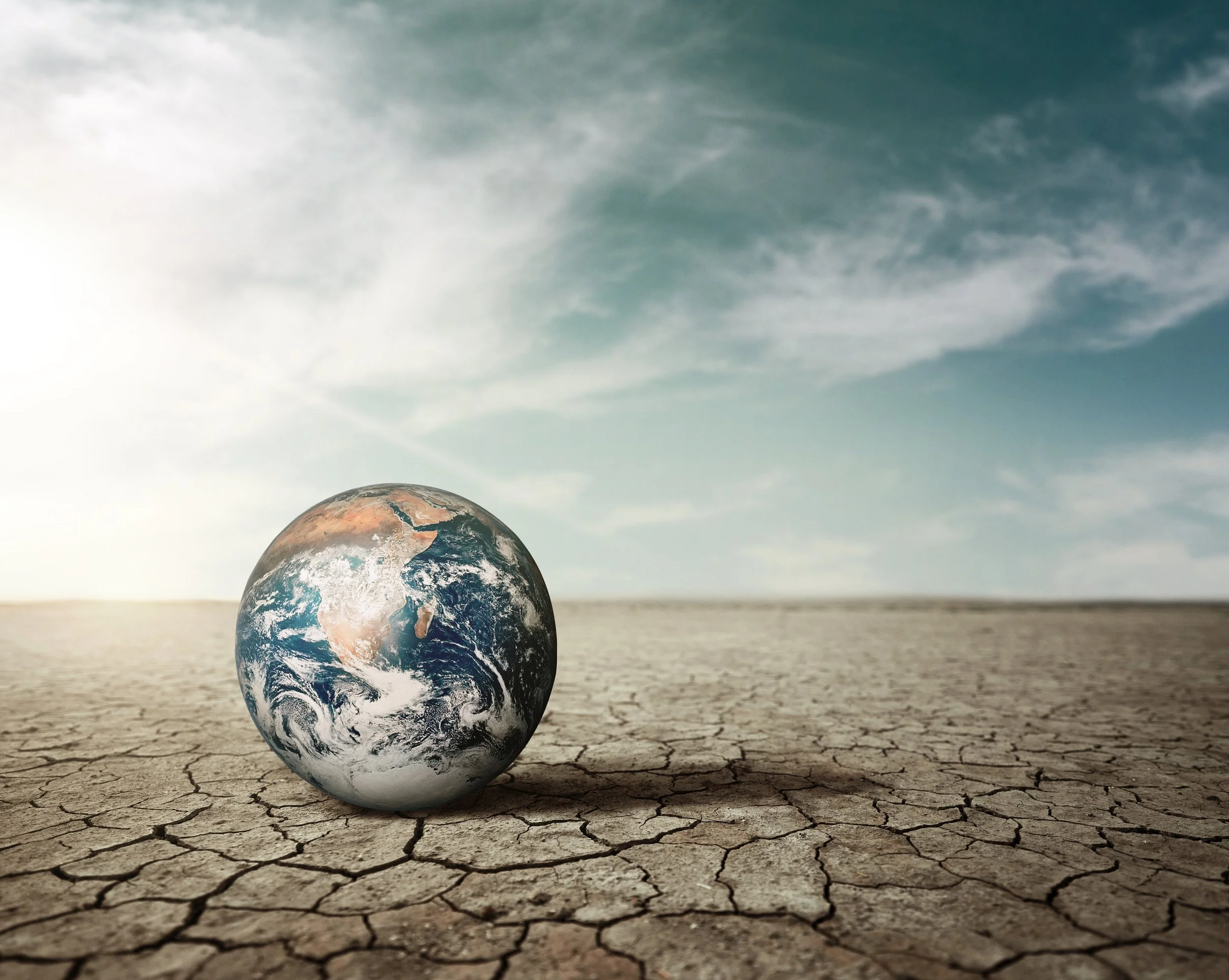
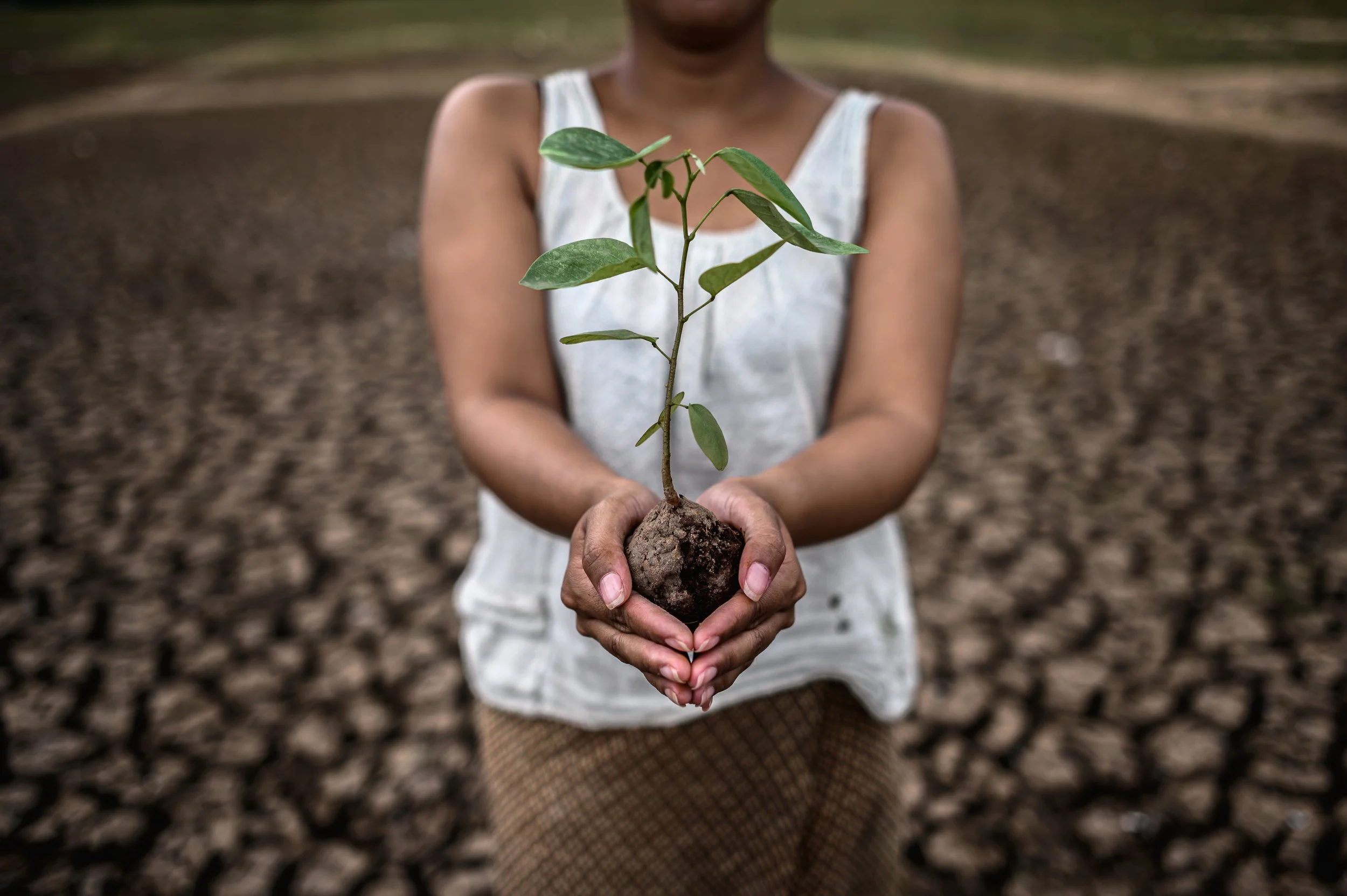
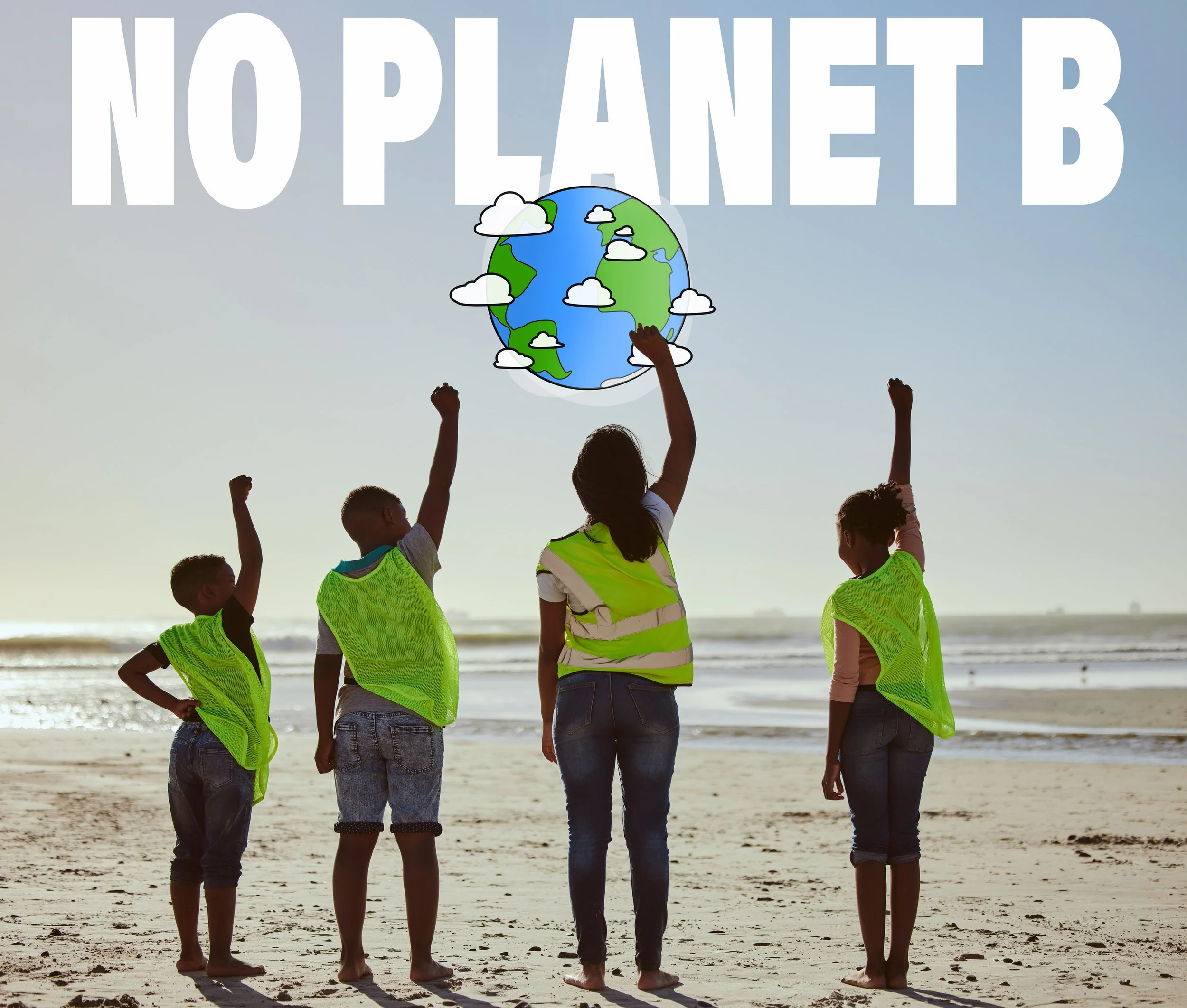
Photos to get your heart beating:

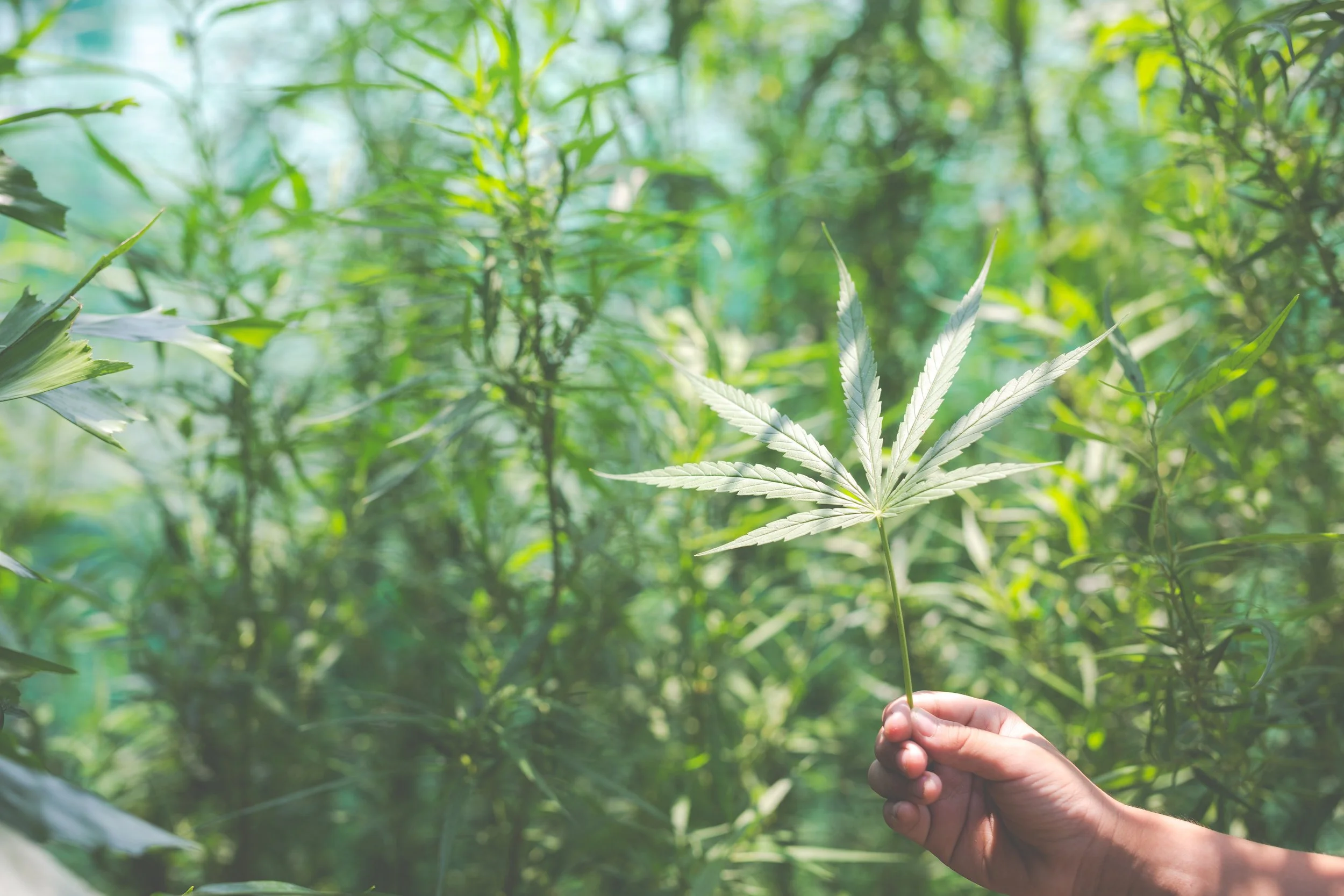

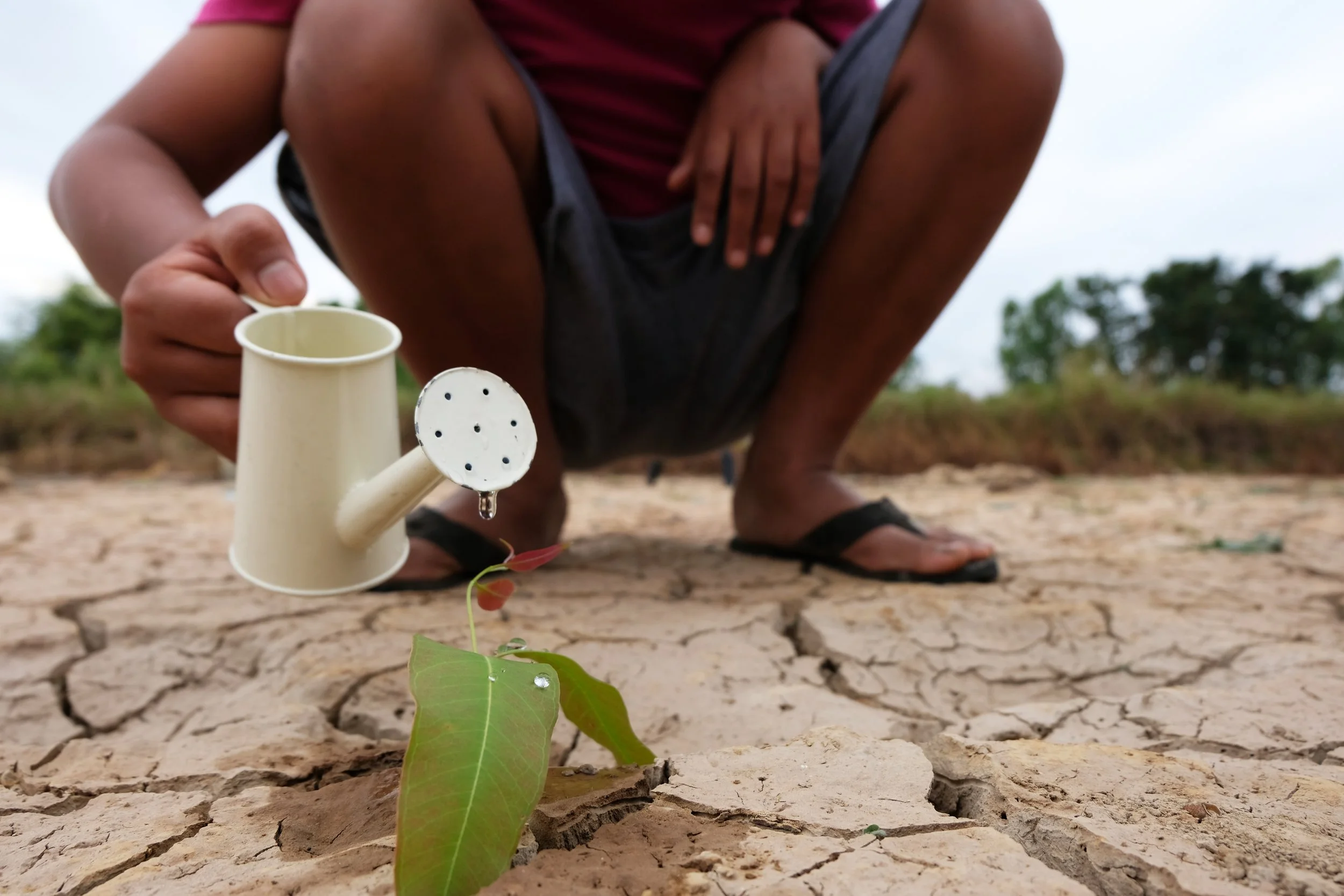
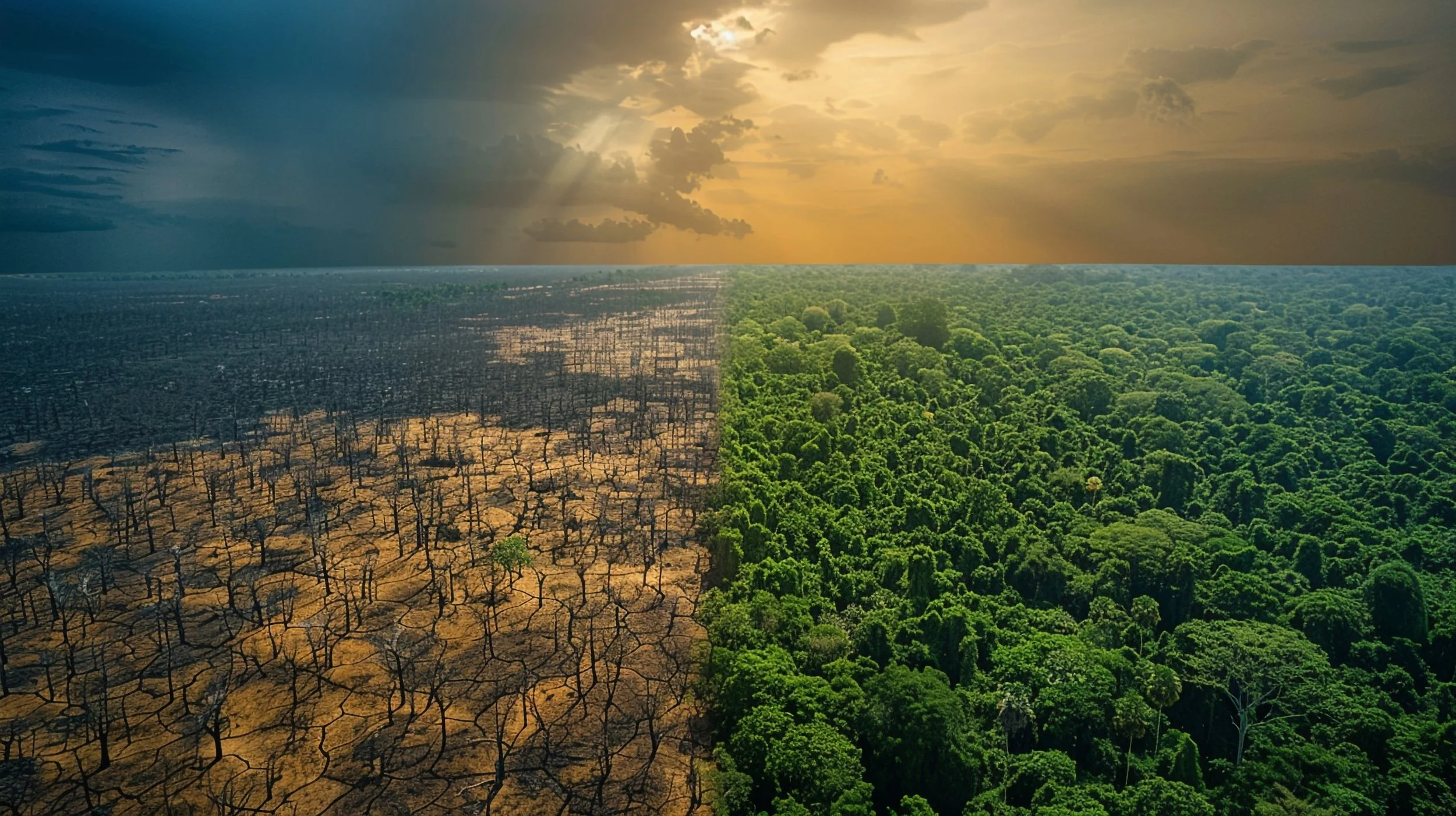
Hemp has a very interesting history in the United States of America. It is not cannabis/marijuana. It is actually useful to make many different products out of.
Hemp-Made, Biodegradable, good-for-the-environment, products that are the fastest CO2 absorbers can possibly save Africa from being uninhabitable due to climate change if we take preventative action and plant quickly!
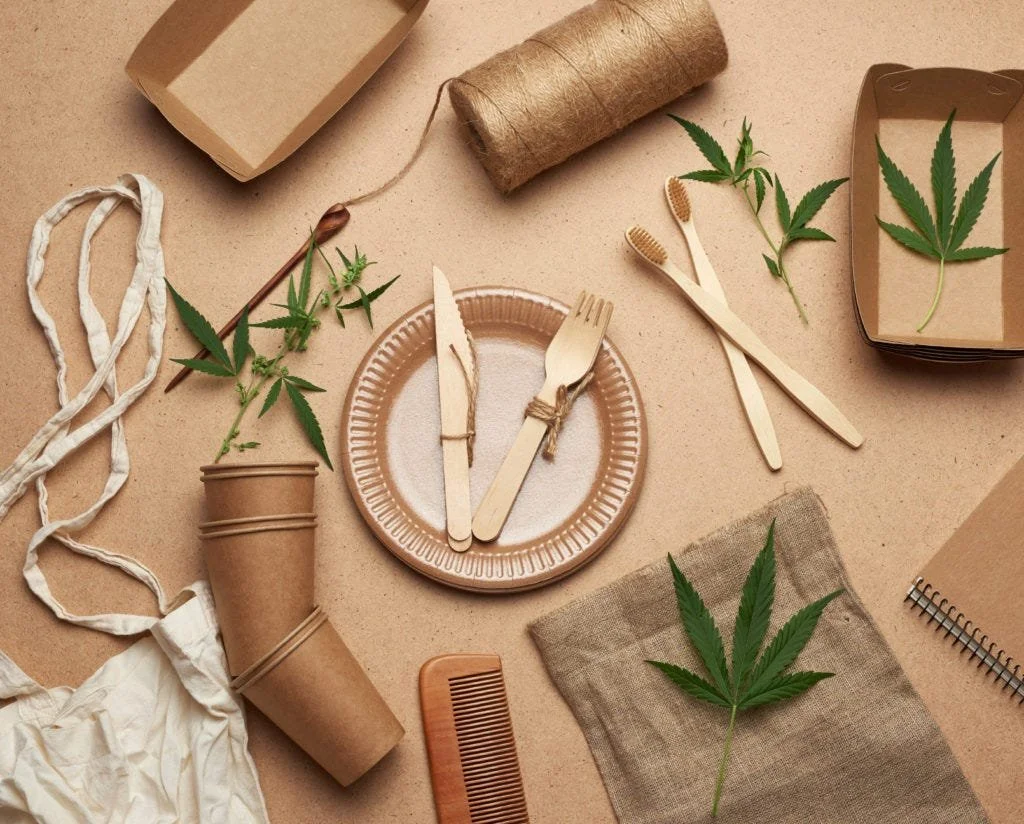
Consider these eco-friendly products for your home, company, community, or organization to help save the environment; Africa, consider planting hemp everywhere and anywhere; Hemp-Made Products that are the fastest CO2 absorbers can possibly save Africa from being uninhabitable due to climate change if we take preventative action and plant quickly! They are also extremely lucrative biodegradable replacements of plastics that are not.
Hemp has a very interesting history in the United States of America. It is not cannabis/marijuana/THC/CBD. It is actually useful to make many different products out of.
It can also absorb tons of CO2. Wow! What a massive positive shift for the environment this could be if people started growing hemp everywhere!
Please read below:
“Hemp can absorb twice as much CO2 per hectare as forests and significantly more than conventional crops like cereals.
Hemp vs. Other Plants: CO2 Absorption Rates
Hemp: One hectare of industrial hemp can absorb between 8 and 22 tonnes of CO2 during its growing season, which typically lasts for about 100 days. This high rate is due to its rapid growth and efficient conversion of CO2 into biomass.
Forests/Trees: Forests typically capture 2 to 6 tonnes of CO2 per hectare per year. While a single, mature tree can store a large amount of carbon over its 40-year lifespan, the rapid annual growth cycle of hemp means it can achieve a much faster CO2-to-biomass conversion rate per year of cultivation.
Cereals: In comparison, cereals store about 1 tonne of CO2 per hectare per year.
Bamboo: Bamboo is another fast-growing plant known for binding large amounts of CO2.
Key Advantages of Hemp for Carbon Sequestration
Rapid Growth: As one of the fastest-growing plants in the world, hemp can reach up to 4 meters in approximately 100 days, allowing for a rapid carbon turnaround and even two crops per year in ideal conditions.
Efficient Photosynthesis: Hemp is a C4 plant, which makes it more efficient in carbon dioxide absorption compared to C3 plants (like many trees and traditional crops).
Long-Term Storage Potential: The absorbed CO2 is stored within the plant's fibers and woody core, which can be processed into long-lasting products like building materials (e.g., "hempcrete"), textiles, and car parts. This locks the carbon away for a long time, potentially resulting in carbon-negative materials.
Soil Health: Hemp's deep taproot system improves soil health, aids in nutrient uptake, helps prevent soil erosion, and can even perform phytoremediation (absorbing toxins from the soil) [so therefore, could replenish toxic fertilized and pesticided soil that is not good for the earth].” —Google AI
Read the image below:
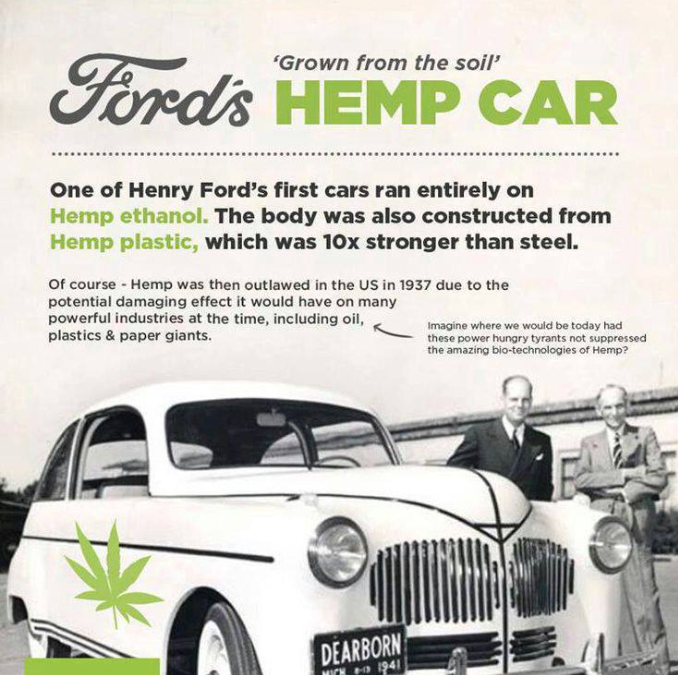
10X stronger than steel, wow!!!!
You can read online about the manipulation that happened around the usage of hemp in the 1930s due to capitalistic egotistical non-environmental, non-futuristic thinking. Pay-offs. Prostitution of congress people by the proletariat, basically.
Hemp was finally legalized in 2018. Yay! It’s so funny, because it’s so harmless and so useful. Why was it even considered to be illegal?
Here is one summary of what happened from Citizen Wolf:
“In fact hemp is a significant part of America’s history and agriculture with the very first American flag being made from hemp fibre. And during the Second World War, Uncle Sam even produced a propaganda film called ‘Hemp For Victory’ to encourage farmers to grow hemp.
With the rise of cotton and synthetic fabrics, combined with America’s harsh ‘War on Drugs’, hemp was outlawed in the 1970s along with it’s more gregarious cousin marijuana. Hemp plants were sensationalised by the media, politicians and corporations as being responsible for poor health and rebellion whereas in reality hemp itself has zero drug value.
With the twin worries of climate change and waste, hemp has (rightfully) started to come back around as the need for alternative eco-friendly materials is in growing demand. In America, campaigners have worked hard to finally legalise hemp and marijuana plants to be grown in 8 states, and in Australia there have been recent changes to allow the cultivation of hemp.
America and Australia are unfortunately quite far behind in the hemp textile industry, with China currently responsible for growing the majority of the global crop.” — Citizen Wolf
https://www.youtube.com/watch?v=QMj69jVHRoY
You must understand that hemp is not cannabis/marijuana, which contains THC and CBD, sacred medicinal herbs that you can read more about in my article here:
Now that hemp has been legalized, some incredible entrepreneurs and engineers are starting to build hemp cars. Here is an incredible new version below:
(Also note: Throughout this article, I include websites under each photograph. You can click on them to learn more about hemp, purchase their products, or get creative ideas for your own project.)

Hemp can also be used in construction materials
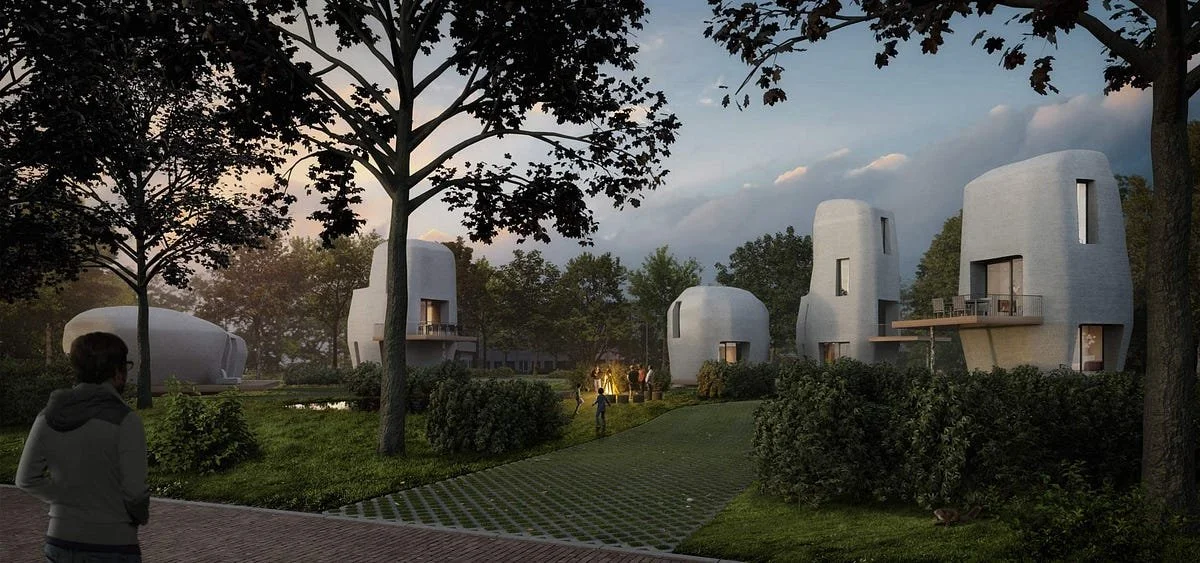
Also, I have the idea of using 3D printing anywhere in the world. That way you can be independent, sustainable, creative, and versatile in your construction abilities.
Also, another idea from me, why not make the 3D Printing all solar-paneled, free-energy?! Wow! How environmentally-conscious that would be!
Read below about the benefits from Future Earth:
“The 3D printing of buildings as well as hemp-panelled homes are among the green building trends sweeping the world.
Thanks to pioneering technology, an Australian company, Mirreco is planning to roll out 3D-printed hemp homes that could transform residential and commercial buildings.
A Perth-based biotechnology company envisions a world where “the dire consequences of global warming will not be realized since we have taken action”.
Mirreco has developed innovative, carbon-neutral hemp panels for residential and commercial building. These can be 3D-printed into floors, walls and roofs.
The fast-growing plant hemp absorbs large amounts of CO2, making it an environmentally friendly and efficient building material. It’s the merger of hemp and 3D printing that gives them the edge.
In addition to its potential use, hemp’s associations, and confusion with marijuana have attracted considerable attention. Since the first fibre of hemp was spun over 10,000 years ago, hemp has been used to various degrees.
Since then, its uses have continued to multiply as it continues to prove to be an incredibly versatile material, including for 3D printing.
The panels are “structurally sound, easy to produce, and provide superior thermal performance” in comparison with traditional building materials.
“Just imagine living and working in buildings that are 3D-printed and available to move into in only a matter of weeks.”
Applications of 3D Printed Constructions
This sort of low cost sustainable approach to construction is perfectly suited for the following and more.
- The social housing sector,
- Indigenous and regional communities,
- Mining Camps,
- Accommodations in case of emergency
- Homes for residential use,
- Acoustic panels for roadside use, office partitions, and industrial pallets are all commercial applications.
*(I would add for the homeless too! — Ashley)
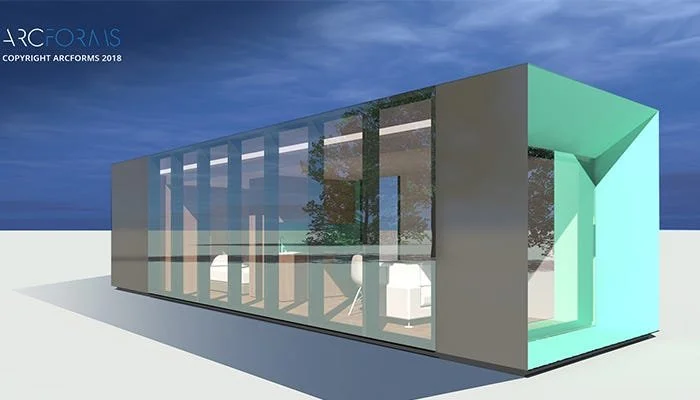
In a project described as “Aussie ingenuity at its best,” the company recently unveiled a hemp home concept designed by Perth-based Arcforms.
“The floors, walls and roof will all be made using hemp biomass, and the windows will incorporate cutting-edge technology that allows light to pass through glass where it is converted into electricity.”
-Mirreco
It was recently announced that Bosrijk, A town in the south of the Netherlands, will host the world’s first inhabitable 3D-printed houses.
Five concrete houses will be built as part of the project’s milestone, and the first residents should move in as soon as next year.
In its final stage, the project will be carried out by a consortium of partners and spearheaded by Eindhoven University of Technology. Developers have described the project as a “game changer” that could “stimulate 3D building” all over the world.
“With this technology we can do things we couldn’t do before. In design, for instance, we can create shapes that normally can hardly be made, and that if they can be made, are only produced in large quantities. But here we can do unique industrial custom-made work.”
-Professor Theo Salet
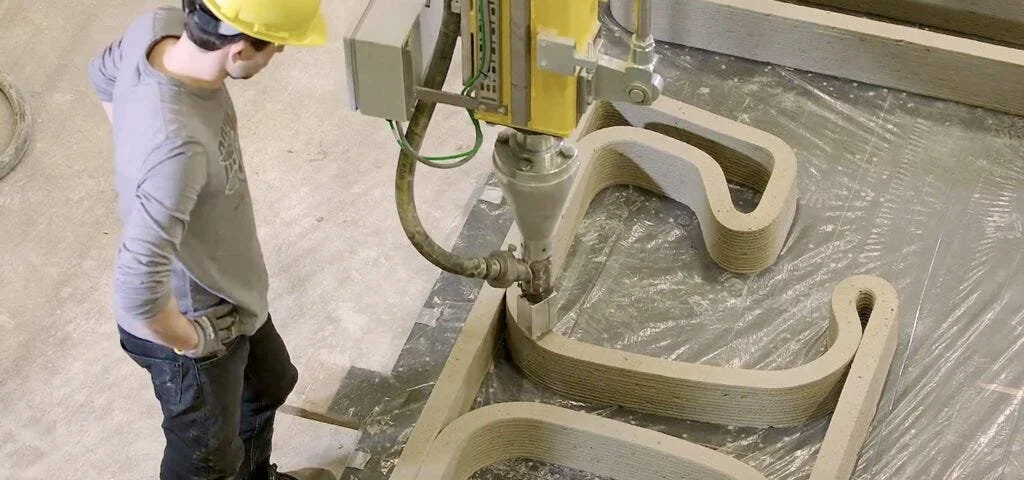
These distinctive Stonehenge-like houses are built with minimal waste by a robot that prints layer after layer of concrete.
“It’s important to think like the end-user. An end-user wants a nice house in a nice location. Now we’re able to use that technology to create a beautiful house, a place you want to live in and come home to.”
-Rudy van Gurp — Consortium Spokesperson
The sheer scope of possibilities for 3D Printed sustainable designs are endless, as are the applications for such a positive step in the future of architecture and sustainability.” — Future Earth
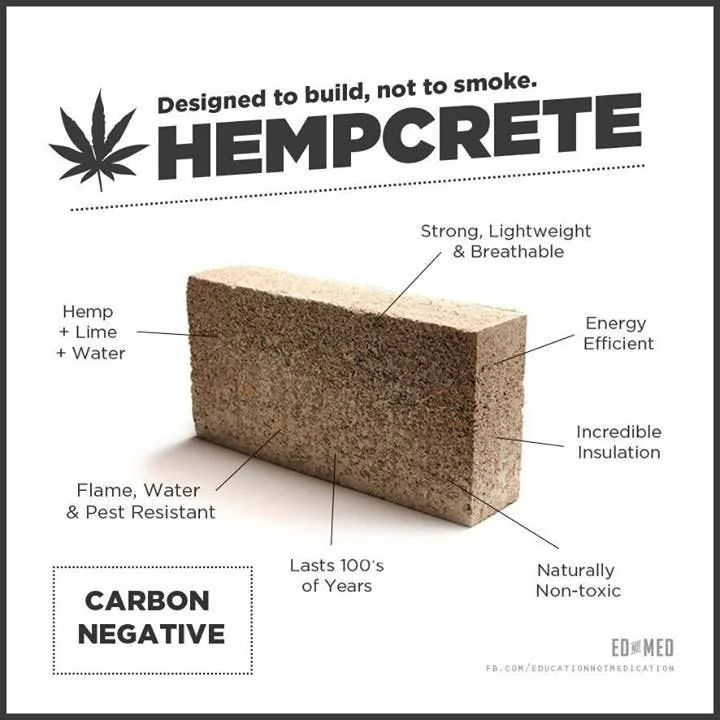
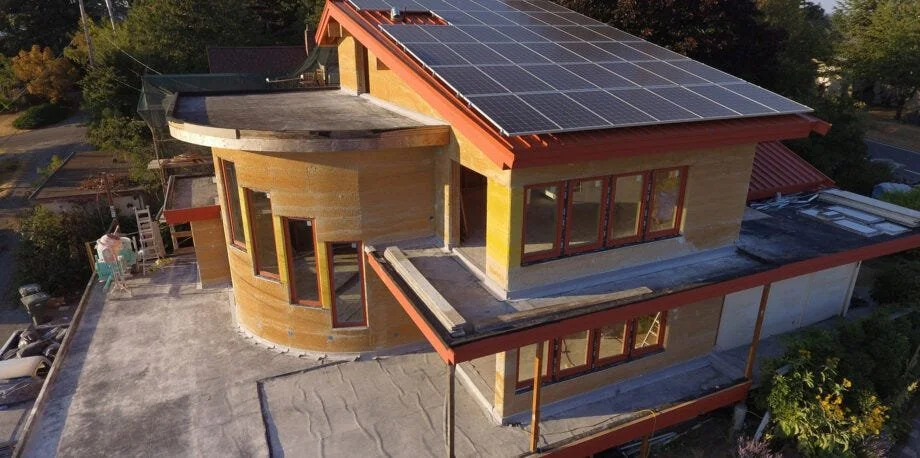
Read below what Ensia has to say about hemp’s potential:
It has become almost a cliché to discuss the benefits of hemp, the supposed wonder plant with almost endless uses — from woven fibers to edible seeds to bioplastics. “Of course, hemp is that magic crop that does everything,” says Nicholas Carter, an environmental researcher who, along with Tushar Mehta, a Toronto-based doctor, runs the website Plant Based Data. His work involves reading through scientific papers and studies and summarizing the most important work supporting plants as a source of food and other important uses. Given the hype, Carter wondered just how much power hemp really had. “I wanted to see the research out there on it, to see what’s actually real, what’s actually backed by evidence,” he says.
Magic? Not exactly. But Carter came away from his attempted debunking a hemp believer. And one of the most promising of its many uses, he found, is its application as a building material known as hempcrete.
Like its namesake concrete, hempcrete is a material mixed with a binder that hardens it into a solid in the form of blocks and panels. Made from the dried woody core of hemp stalks and a lime-based binder, hempcrete can be cast just like concrete. But unlike concrete and its binding cement, which accounts for about 8% of human-generated carbon dioxide emissions annually, hempcrete actually sequesters CO2. According to a recent study, hempcrete can sequester 307 kilograms of CO2 per cubic meter (19 pounds per cubic foot), roughly the equivalent of the annual carbon emissions of three refrigerators.
“While we’re growing it and building hempcrete, it’s sucking CO2 the whole time and encapsulating the CO2 in the structure,” says Eric McKee, founder of the U.S. Hemp Building Association.
“What’s really important about this material is we can create new structures or we can update or retrofit existing structures so that they don’t need air conditioning,” Allin says.
As Karade notes, hempcrete has a high thermal capacity compared with concrete, making it good for both the structure of a wall and its insulation.
Hempcrete can also cut down on another big problem: construction waste. Concrete represents more than half of the debris generated by building construction and demolition. The U.S. Environmental Protection Agency estimates that more than 23 million tons (more than 20 million metric tons) of concrete debris was created during construction in 2015. And while hempcrete can’t be used for structural sections of a building, it can be used to replace non-structural elements of walls that traditionally could use concrete. Hempcrete can also be used in place of common construction materials like drywall and plaster, which account for about 8% of building construction debris.
Read what 3DNatives has to say about hemp’s potential:
Mirreco stated: “The floors, walls and roof will all be made using hemp biomass, and the windows will incorporate cutting-edge technology that allows light to pass through glass where it is converted into electricity.” The company’s intentions are; to manufacture, sell and/or own and operate a full fleet of mobile machines to process hemp onsite at relevant farming locations. The construction will be build using a plus sized printer, such as the recent XXL 3D printer created by S-Squared 3D printers. — 3DNatives Article
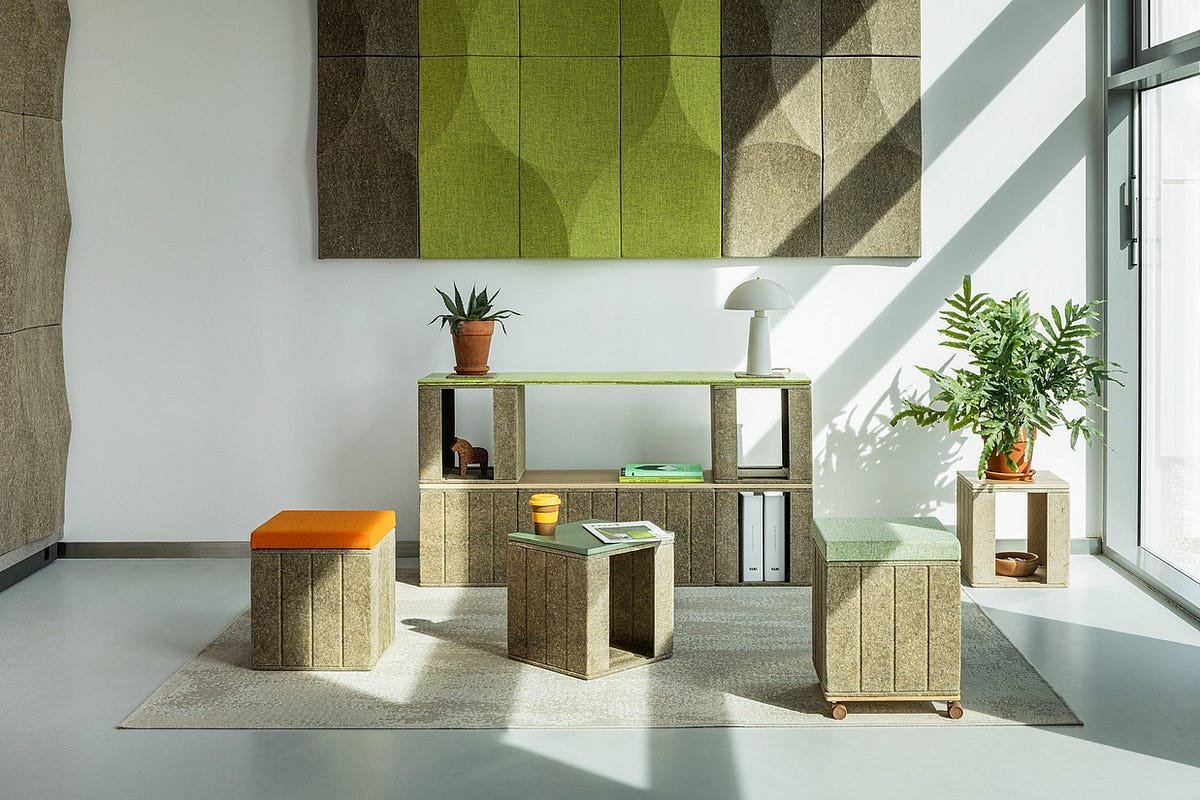
Hemp can also be very useful in your home. Look at these stunning products:

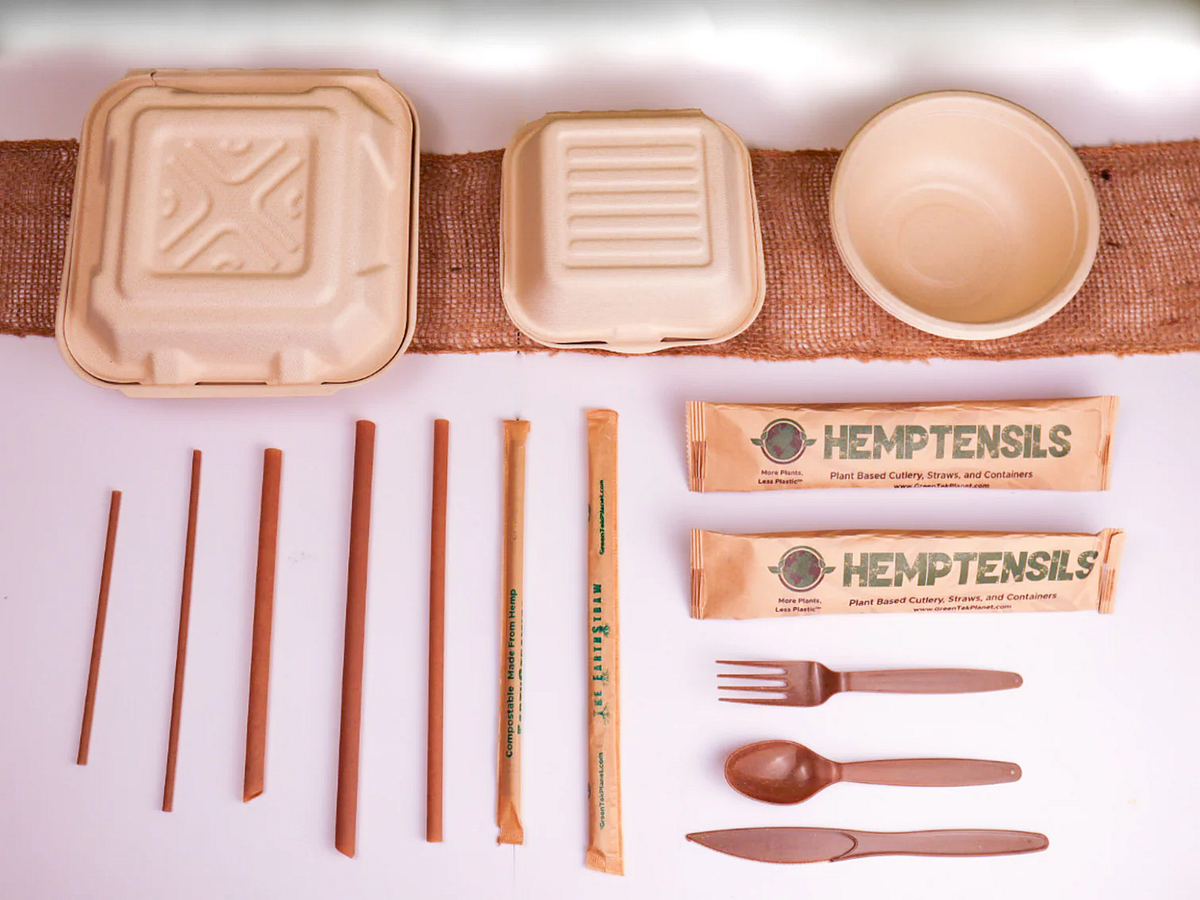
If you are in the restaurant industry, here are some options for you:
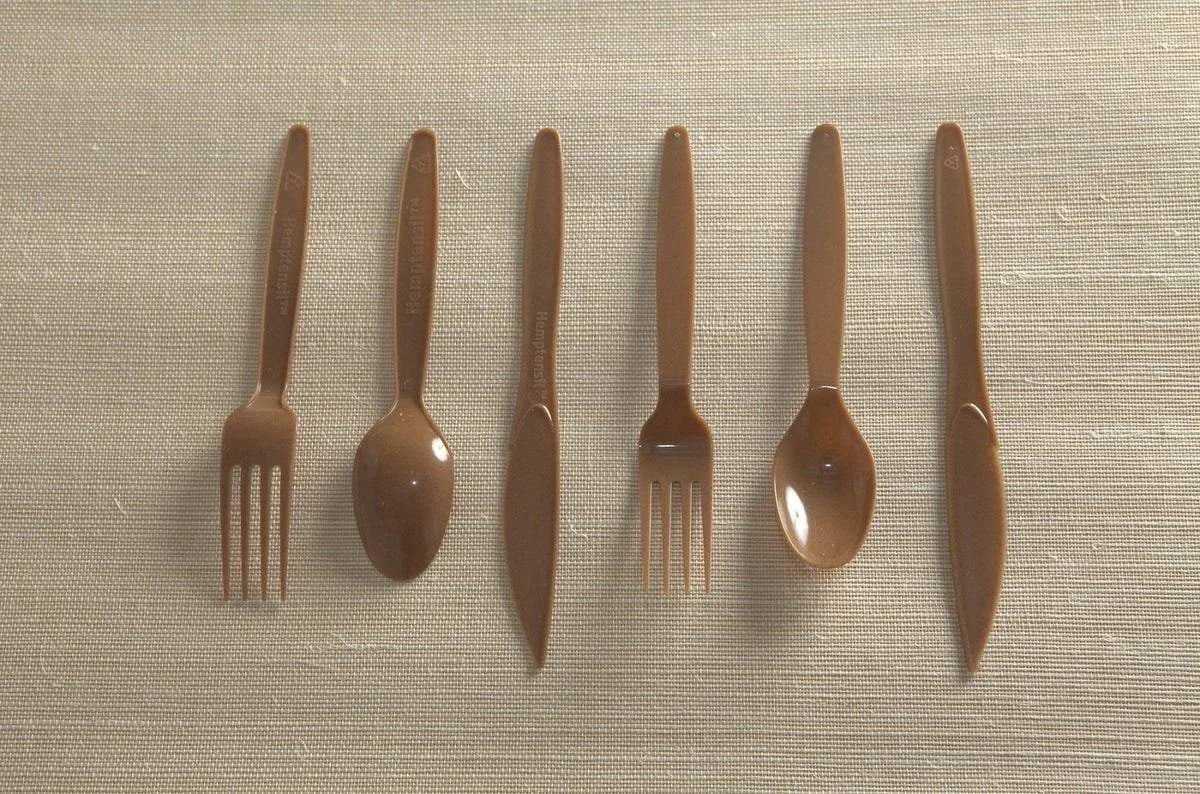
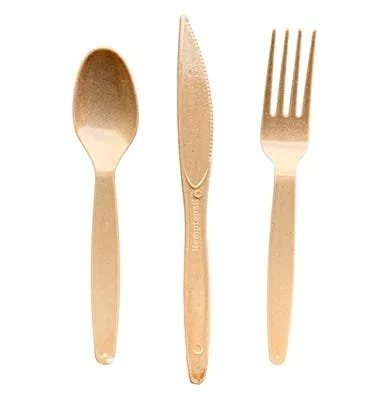
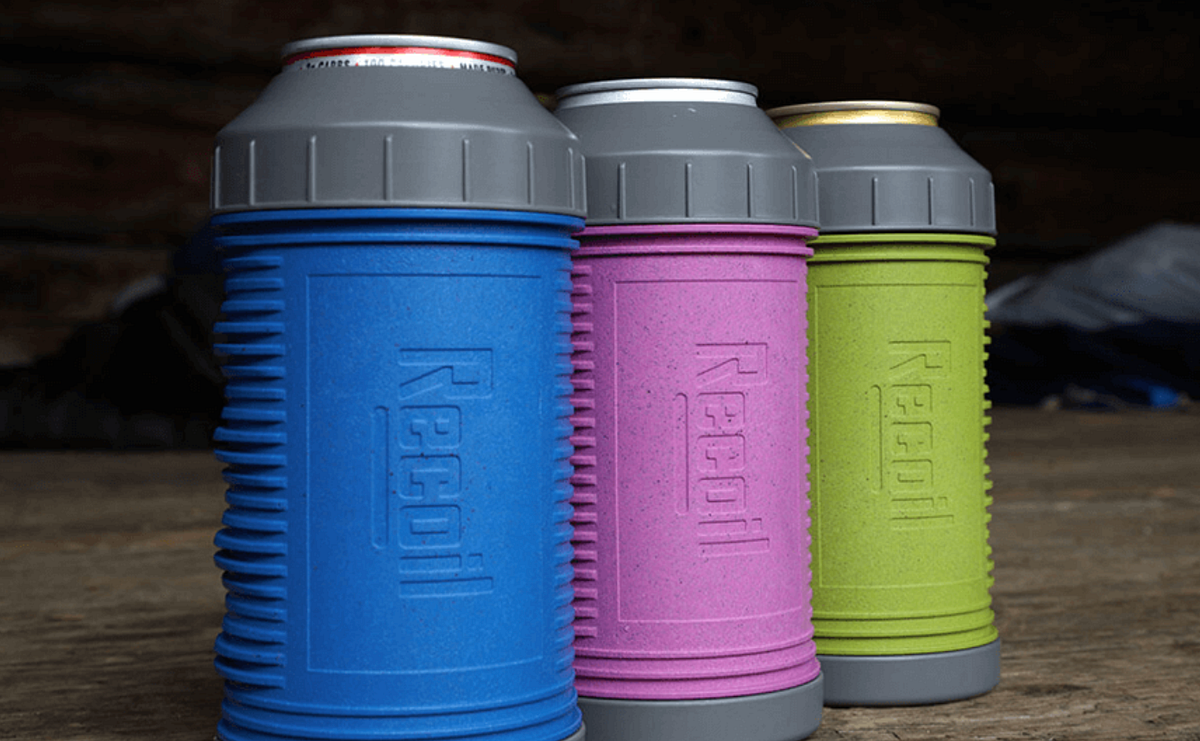
If you’re in other industries, here are other hemp-made products that may be useful to you if you are a person who wants to be more eco-friendly:
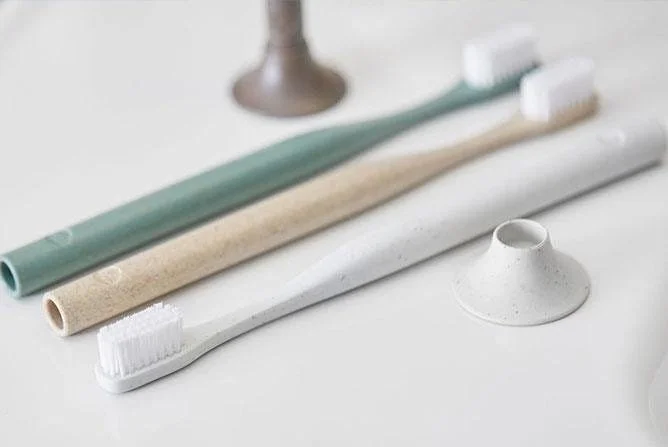
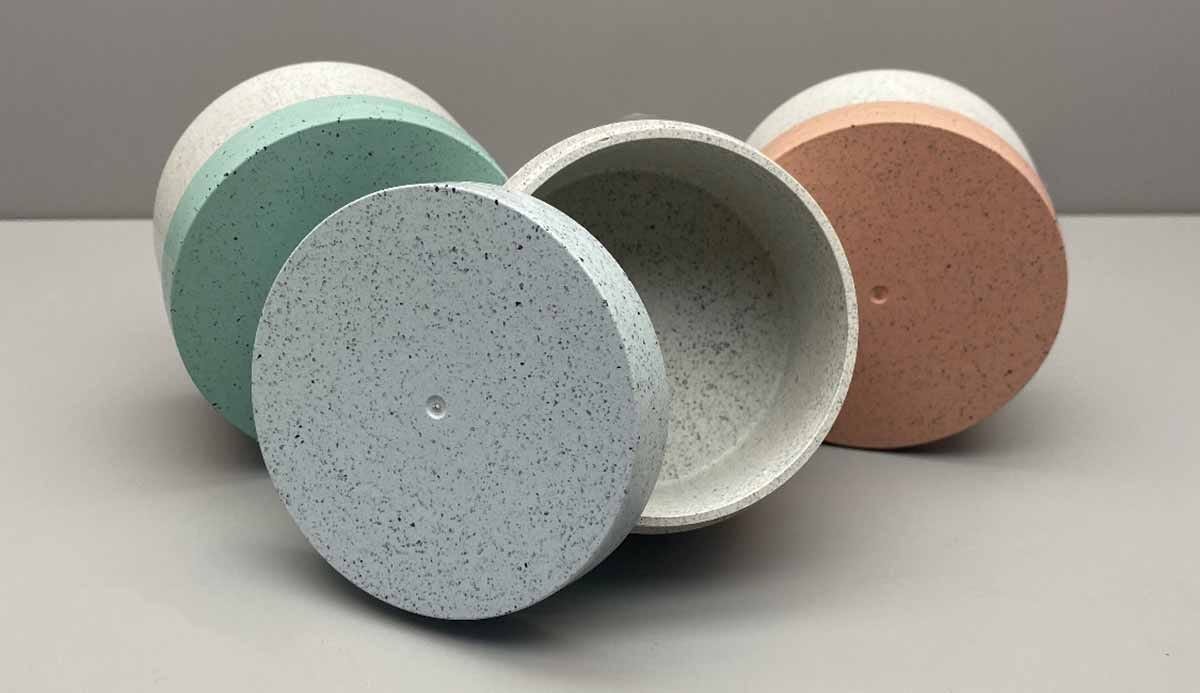
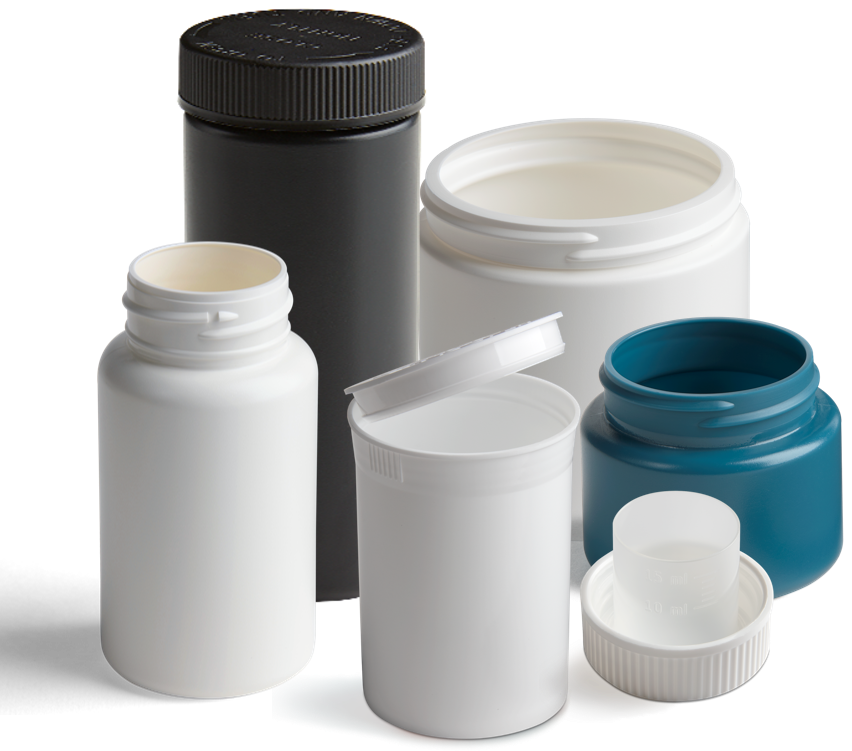
Therefore, hemp can be used for so many things. Just look at these two graphics below:
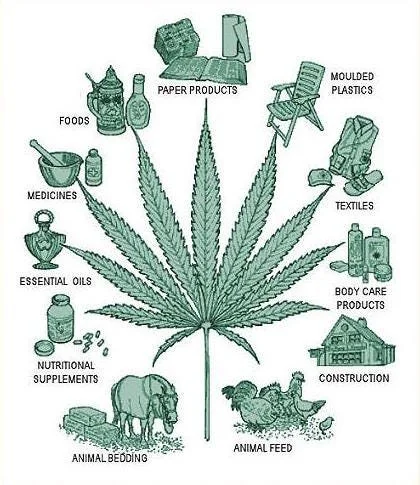
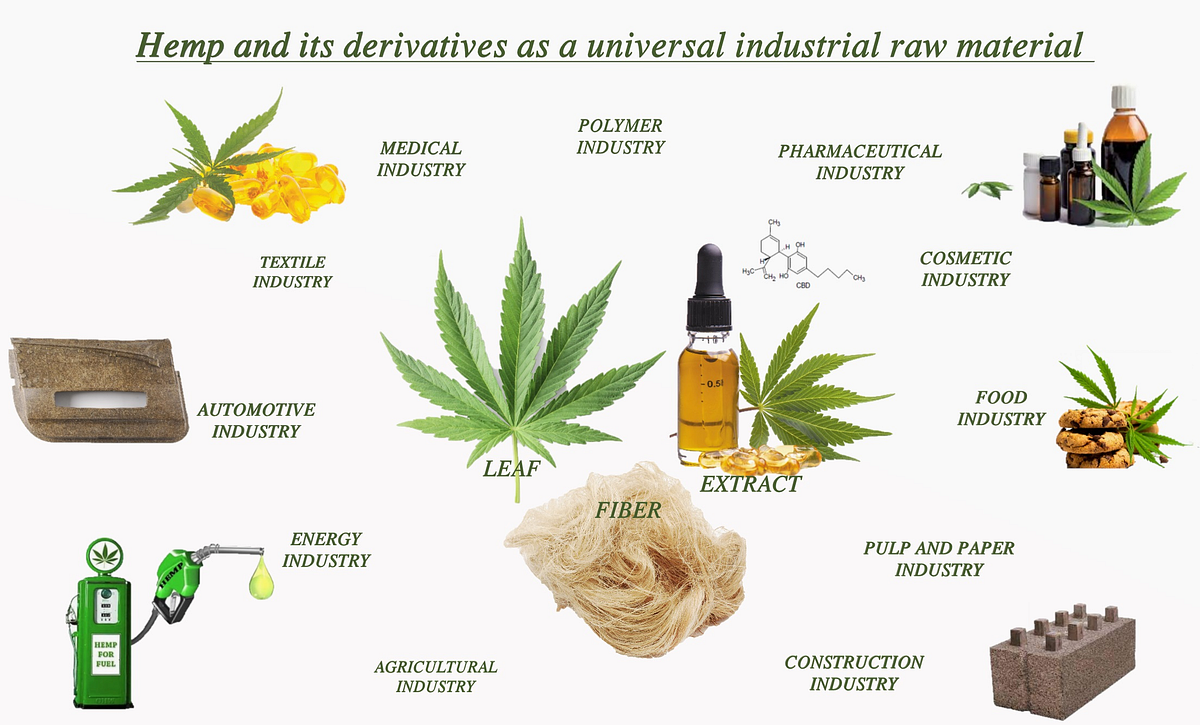
Also, we can grow more flowers for the bees that feed our needs (our food). We can grow herbs. This would all be a more pleasant ozone layer and atmosphere. It can be healed. We can also invest in green technologies so we do not pollute the air and cause children in Pakistan to not even be able to go to school because it is so dangerous due to India’s manufacturing petroleum-based industries that are sweeping into their neighbor’s land due to the wind. Who is next? Can we help our neighbors? Can we be creative and use preventative solutions NOW?
Listen to this inspirational video about Wangari Maathai from Kenya. Planting hemp, trees, flowers, etc. is entirely possible. She and her team and nation did it together. You can too!
The Greatest Commandment from Jesus
The Bible; Mark 28–34
Mark 28 One of the teachers of the law came and heard them debating. Noticing that Jesus had given them a good answer, he asked him, “Of all the commandments, which is the most important?”
29 “The most important one,” answered Jesus, “is this: ‘Hear, O Israel: The Lord our God, the Lord is one.[e] 30 Love the Lord your God with all your heart and with all your soul and with all your mind and with all your strength.’[f] 31 The second is this: ‘Love your neighbor as yourself.’[g] There is no commandment greater than these.”
32 “Well said, teacher,” the man replied. “You are right in saying that God is one and there is no other but him. 33 To love him with all your heart, with all your understanding and with all your strength, and to love your neighbor as yourself is more important than all burnt offerings and sacrifices.”
34 When Jesus saw that he had answered wisely, he said to him, “You are not far from the kingdom of God.” And from then on no one dared ask him any more questions.
I hope this is helpful to you! Please consider this as an option for you, your company, your community, the world, Africa, your neighbor, your friend, your children, your children’s children, all the generations to come.
It would be very kind if we who are alive right now heal the earth together, and act quickly. That would be an impressive legacy for our children.
Please share this article with anybody who can help. Consider your own responsibility in this situation. Send me any questions, ideas, or insights.
With Gratitude,
Ashley Heacock, Researcher, Writer, Mentor, Guide
MIT Sloan School of Management, MBA
Harvard Kennedy School of Government, MPA
The George Washington University, BA Economics, BA International Affairs
Contact: ashleyheacock@gmail.com
Website: awakeningconsciousness.community