America is actually Brown, not White (or just Black); An Update on the Rachel Dolezal Controversy
New Evolutionary Story of the Rachel Dolezal Controversy and Important Details about Race and Culture in America
Here is the YouTube Video I made that I recommend you watch before, after, or during reading this article. It may be useful to your heart and soul, as it comes from mine.
There was a controversy in 2015 around Rachel Dolezal’s identity. I heard rumors. I did not investigate it at the time. I remember hearing something about her being white but pretending to be black. I thought that was odd. But again, I didn’t research the topic at the time.
Then recently, as I’ve been studying evolutionary history and ancestry during my spiritual journey, I wanted to take a look at the facts of the story.
I believe that people in America are confused about identity. There was a lot of raping of African American slaves and a lot of raping of Native Americans. Therefore, a lot of us actually have these genetics in us.
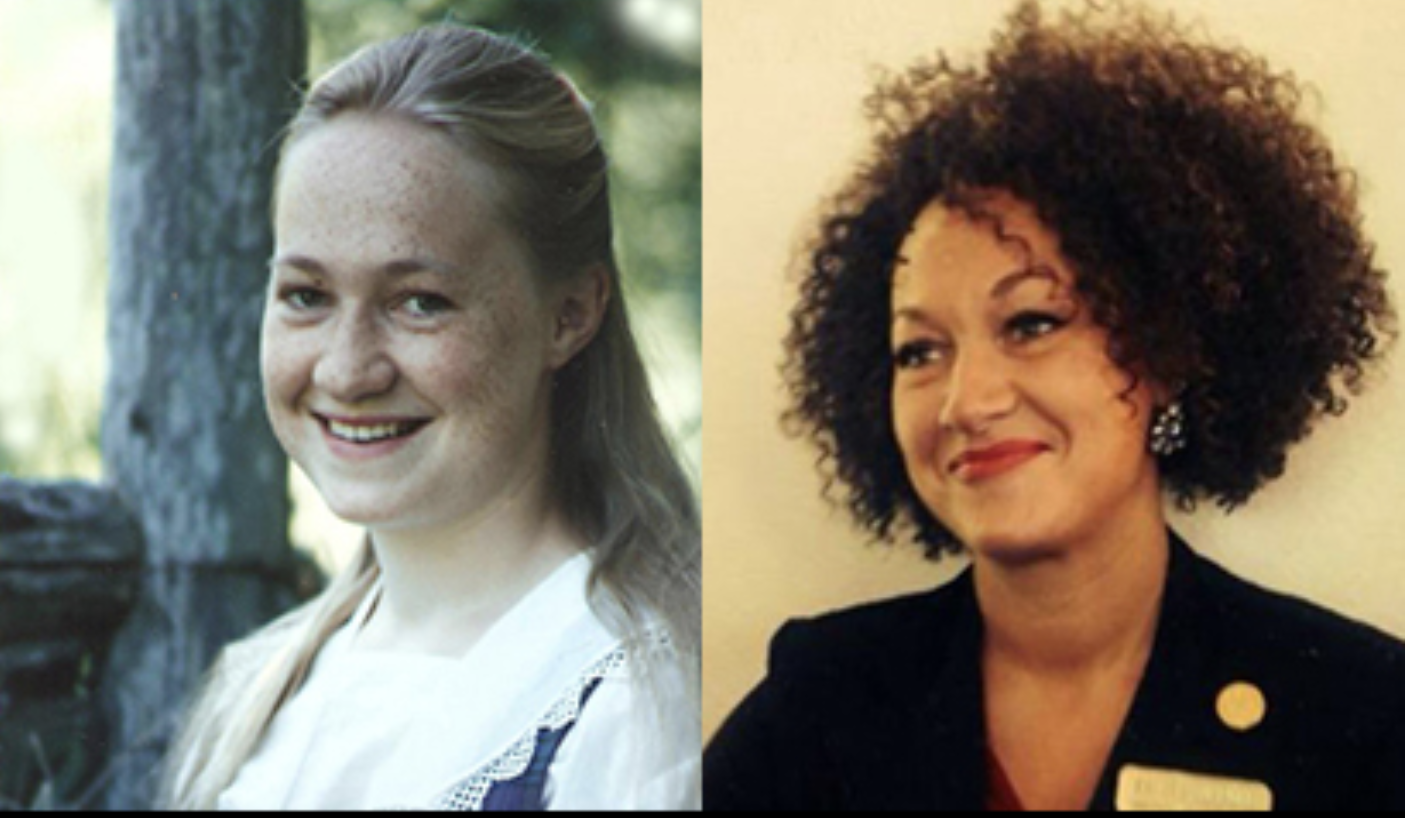
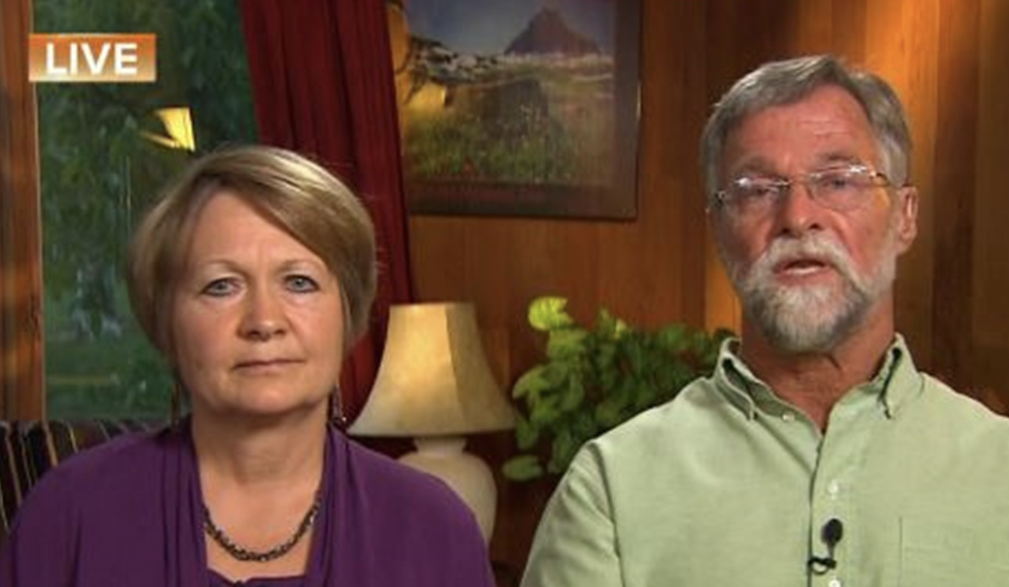
Look at these phots below of Rachel as a child, an adult, and her parents.
So America was not built by “whites” but actually a multiethnic diversity of people. It is a strange term to use, when most of us have brown hair. It can also be misleading to people of different colors, who may feel inferior, or like they were not part of building all of the incredible products, like the Apple Computer (FYI Steve Jobs is of Syrian ancestry).
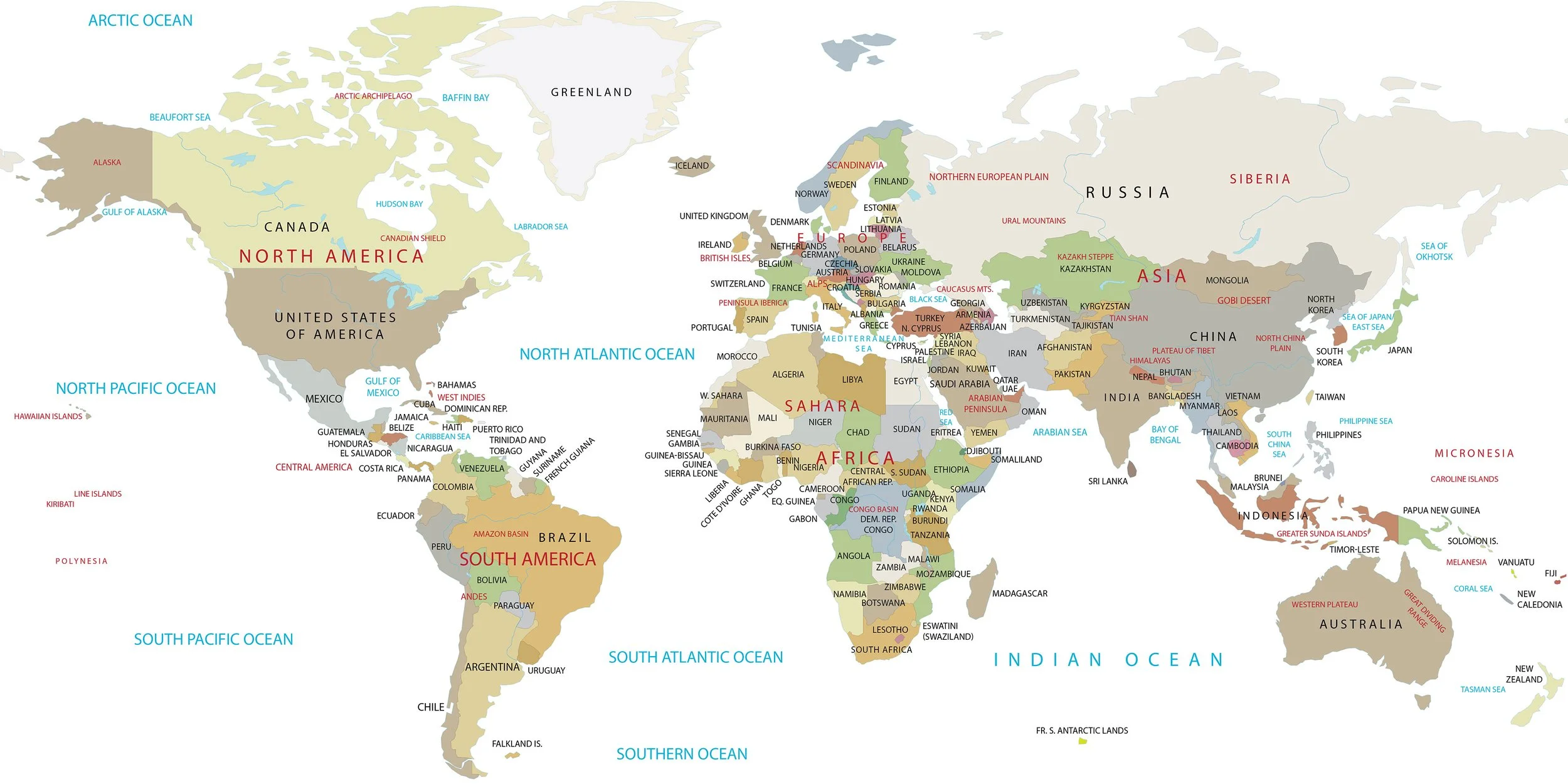
Map of the World, https://gisgeography.com/high-resolution-world-map/

Zoning in on the possibility of massive migration and interethnic mating due to trading, wars, or environmental factors.
So now, let’s go back to the controversy over Rachel’s identity. Look at these photos below of her as a young girl, then as an adult. Then look at the photos of her parents.
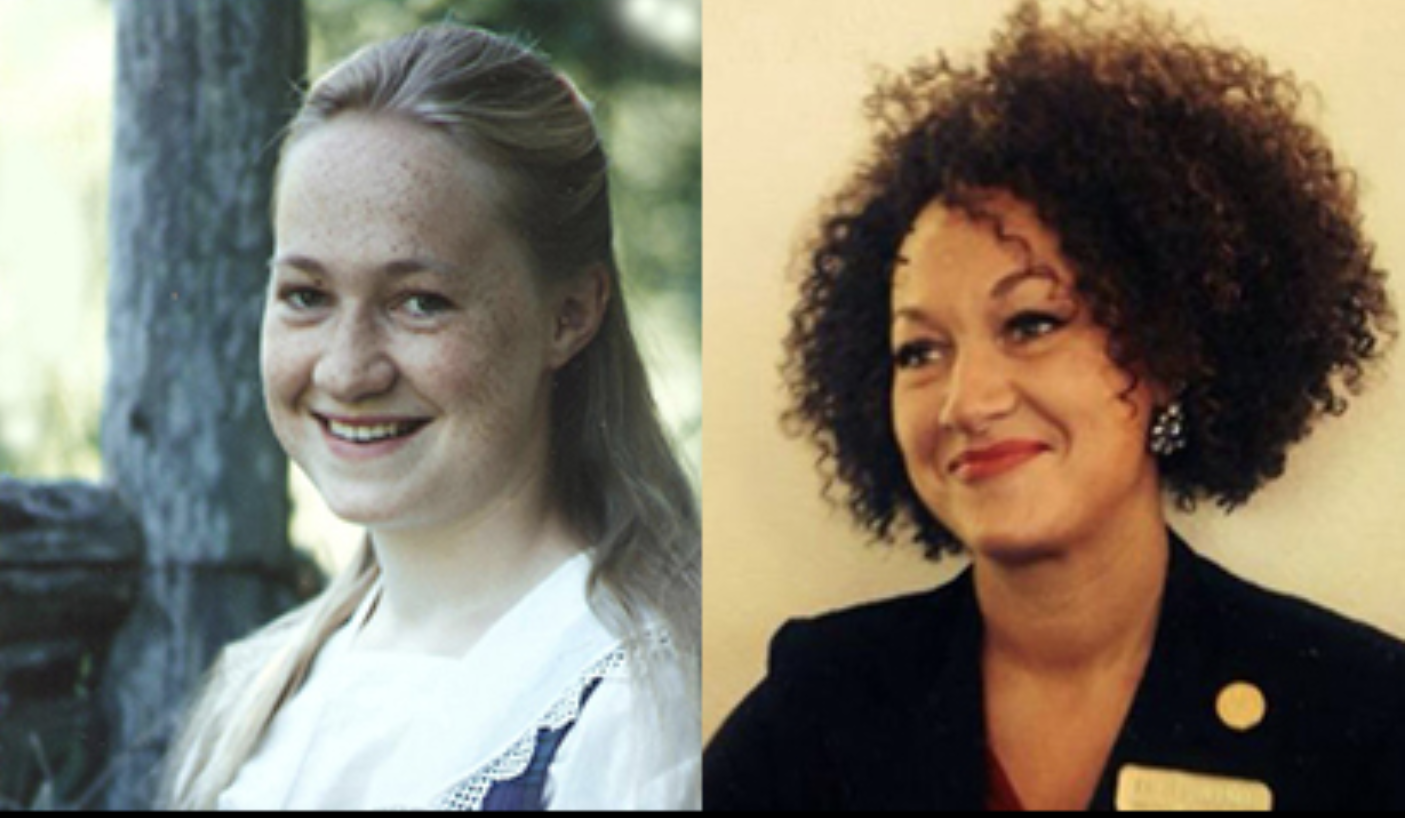
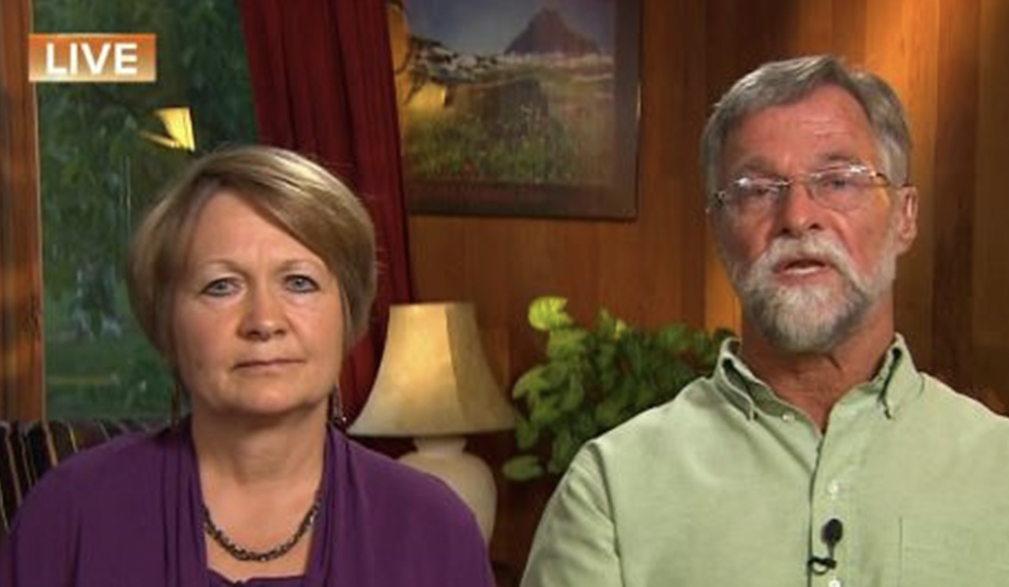
As I mention in the video, African Americans can have freckles. I have traveled the world and know this as a trait. Here is an example of another African American woman, like Rachel Dolezal. Do you see the similarity? The freckles on Rachel’s little girl photo with white hair, but African freckles? Rachel is obviously part African American.
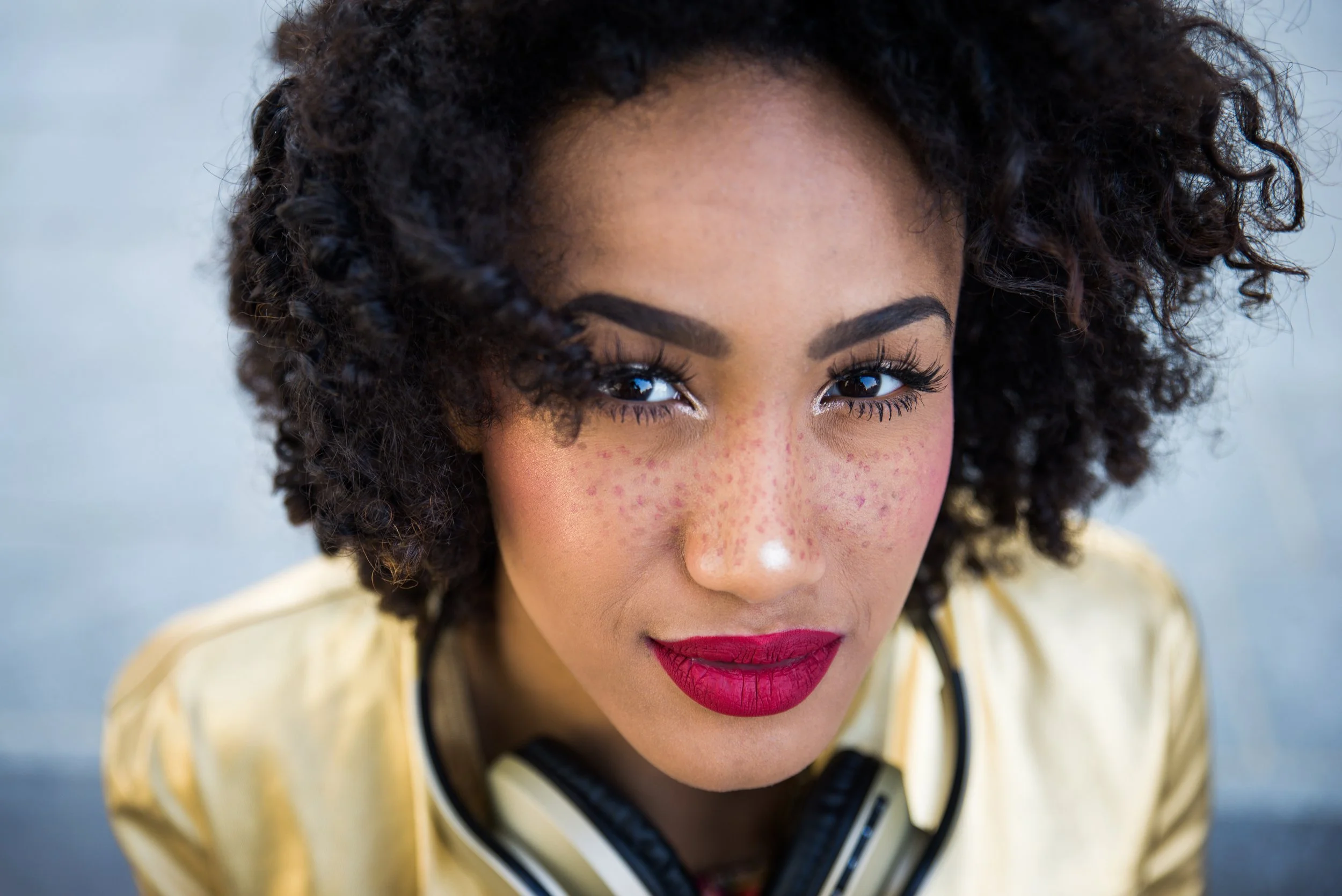
Freepik
As I mention in the video I am also multiethnic. I am from South Dakota. My grandparents and great grandparents were pioneers. So they journeyed from the boat from Europe to somewhere on the East Coast of America, and then they traveled by wagon and eventually ended up in the middle-north of America.
My mother’s father has English (and European). My mother’s mother has Asian in her (you can see in the photos below). My father’s father has European and Native American. My father’s mother was CzechoSlovakian, so also Asian.
My hair color and texture also changed overtime. Here are my photos:

You see my Asian eyes as a baby?

Me on the right with my Asian-looking mother’s Great Grandmother, and my sister on the right with my father’s Great Grandmother.
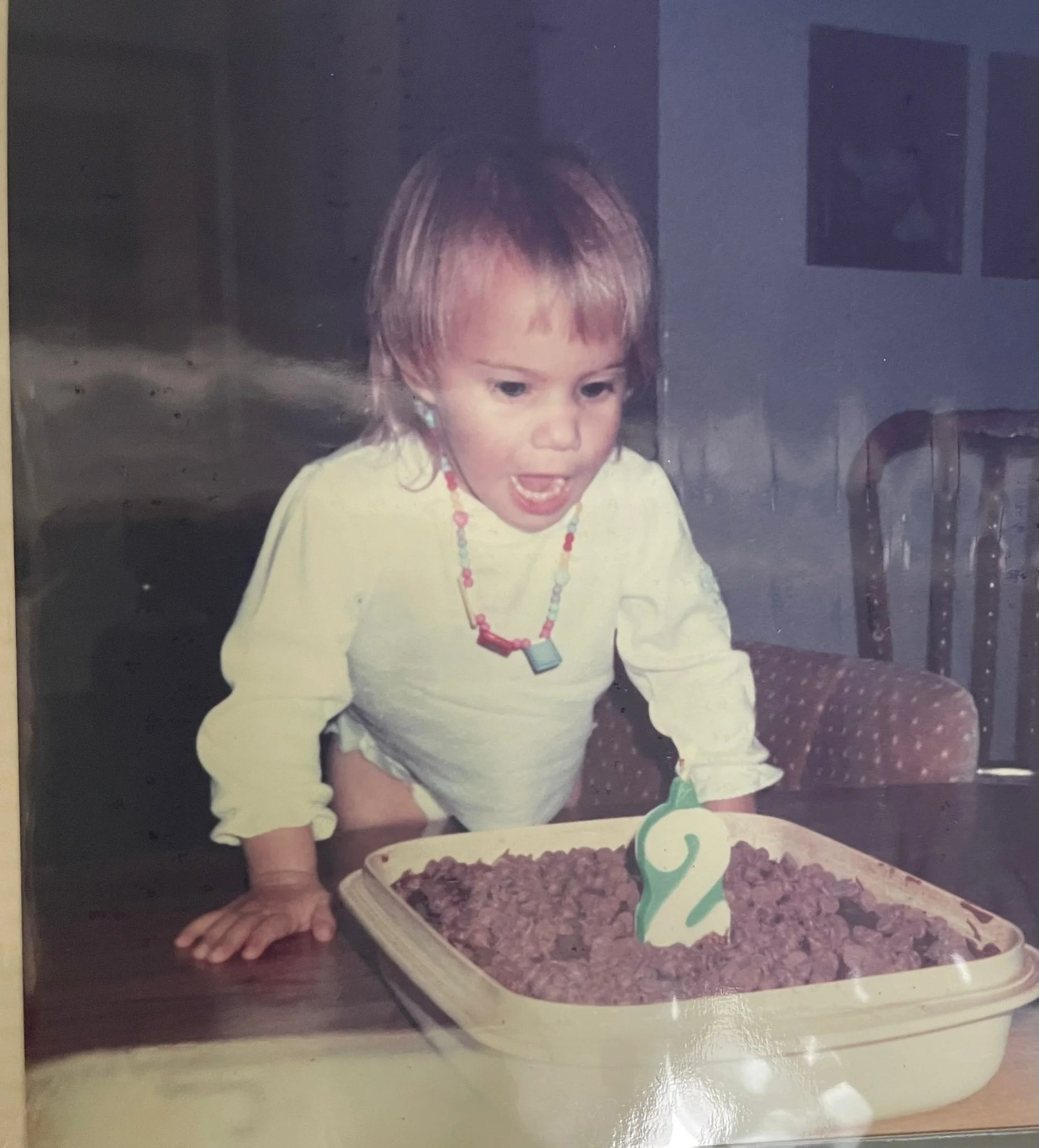
Blond hair at 2 :)
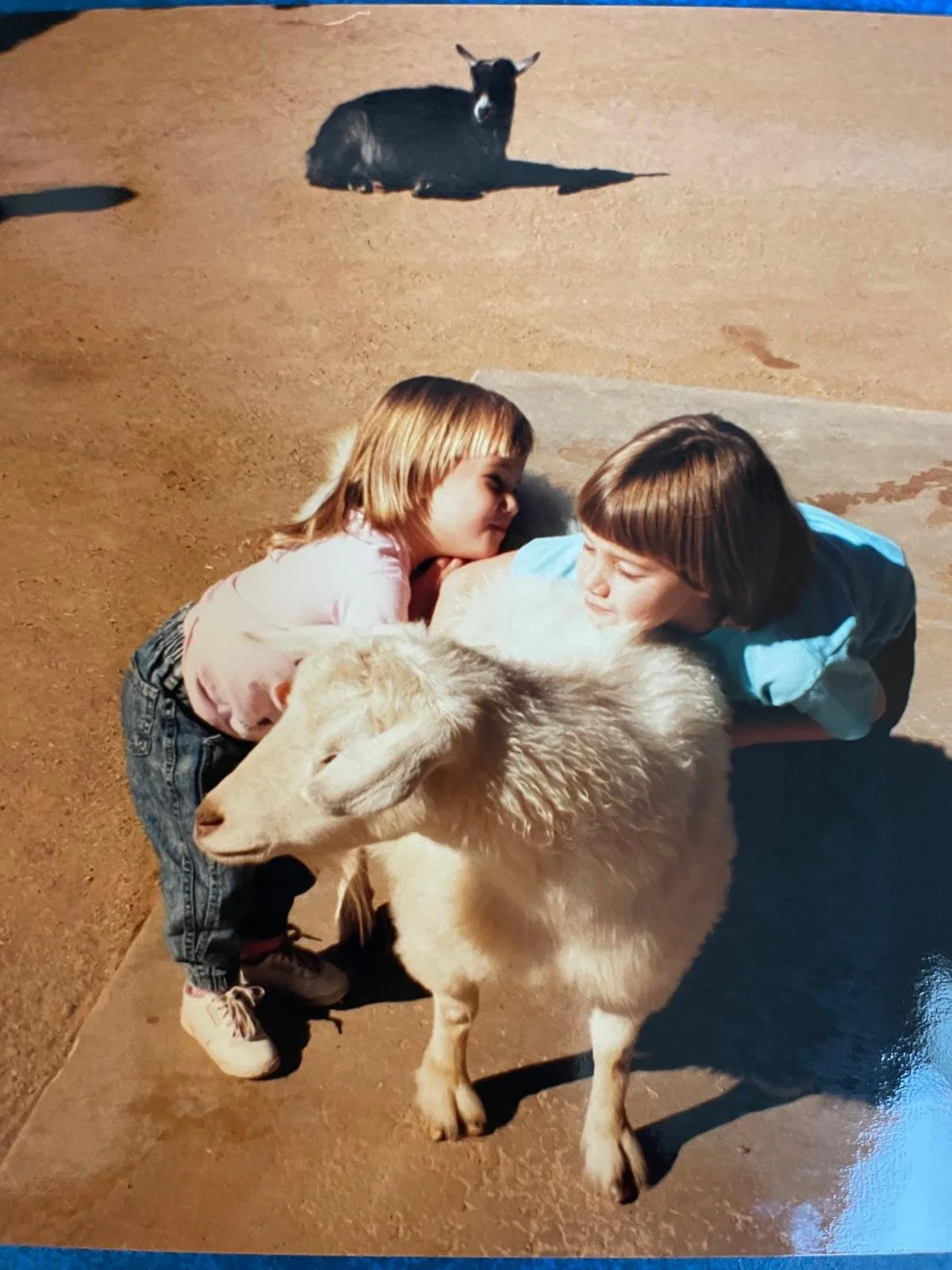
Me, on the right, with blond hair, and my older sister on the right with brown hair.

With my parents, at their anniversary; my sister on the left; me on the right with the little heart sweater.
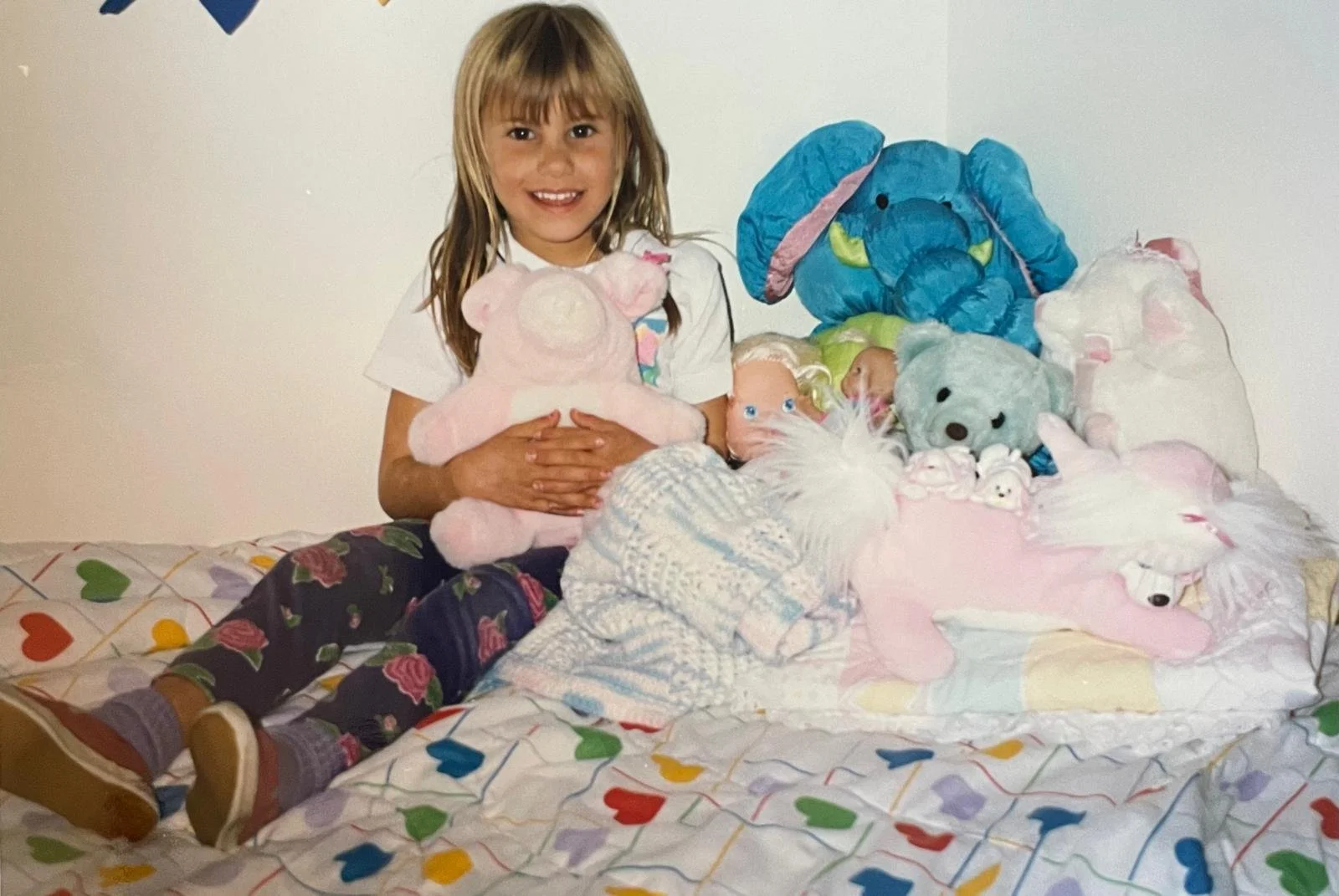
Me a little older with mixed blond and brown hair.

With my baby doll; me with mixed blonde and brown hair.

A little older. Brown hair (I may have also used a crimper LOL :) with our little toy poodle our family and my mom’s parents (my grandparents) who lived nearby loved so dearly.

Me in Ghana (I was a Peace Corps Volunteer in Mali), with brown skin and brown curly hair.
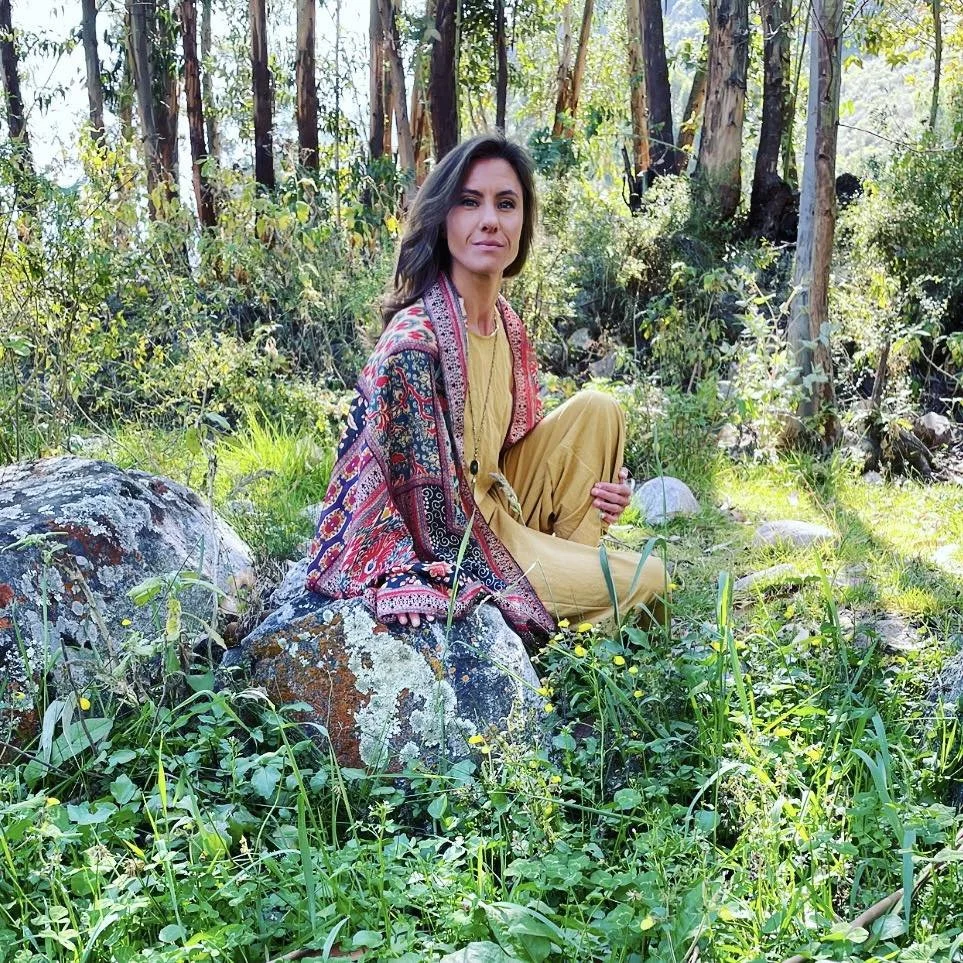
Me now (I used a curling iron, though, lol). My hair is kinda crazy curly, so sometimes for “photo ops” I use a curling iron.
So, I believe it is important that we begin to recognize that you, yes YOU, can also have a multiethnic background, be it African American, or Native American.
That may also free you. You may want to try different types of music to see if they resonate with you. You may want to branch out and have friends who are diverse. You may question your parents judgments about race. I have no idea what questions and curiosities this article will inspire in you. I recommend, though, taking a positive stance. Multi-ethnicity can be a really beautiful quality.
I also study evolution. I took classes at Harvard, and have continued this fascination with our ancestry, and the history of this earth. These unique combinations of cultures is an a part of our evolutionary history. Indigenous people were living in the Americas for 30,000 years before the Europeans came over. That means a genetic difference.
Therefore, I recommend being mindful of mate selection. They may look different than your parents, different than you. And that may be a good thing for the genes to interact and continue to evolve into an incredibly-mixed multi-racial homo sapien on this planet. We keep evolving.
For instance, did you know that the earth used to be filled with methane? That sponges actually created oxygen for us?
I learned about this in this article, Early Life on Earth — Animal Origins.
“With an environment devoid of oxygen and high in methane, for much of its history Earth would not have been a welcoming place for animals. The earliest life forms we know of were microscopic organisms (microbes) that left signals of their presence in rocks about 3.7 billion years old. The signals consisted of a type of carbon molecule that is produced by living things.”
“When cyanobacteria evolved at least 2.4 billion years ago, they set the stage for a remarkable transformation. They became Earth’s first photo-synthesizers, making food using water and the Sun’s energy, and releasing oxygen as a result. This catalyzed a sudden, dramatic rise in oxygen, making the environment less hospitable for other microbes that could not tolerate oxygen.”
“Something revolutionary happened as microbes began living inside other microbes, functioning as organelles for them. Mitochondria, the organelles that process food into energy, evolved from these mutually beneficial relationships. Also, for the first time, DNA became packaged in nuclei. The new complex cells (“eukaryotic cells”) boasted specialized parts playing specialized roles that supported the whole cell.”
“These clusters of specialized, cooperating cells eventually became the first animals, which DNA evidence suggests evolved around 800 million years ago. Sponges were among the earliest animals. While chemical compounds from sponges are preserved in rocks as old as 700 million years, molecular evidence points to sponges developing even earlier.”
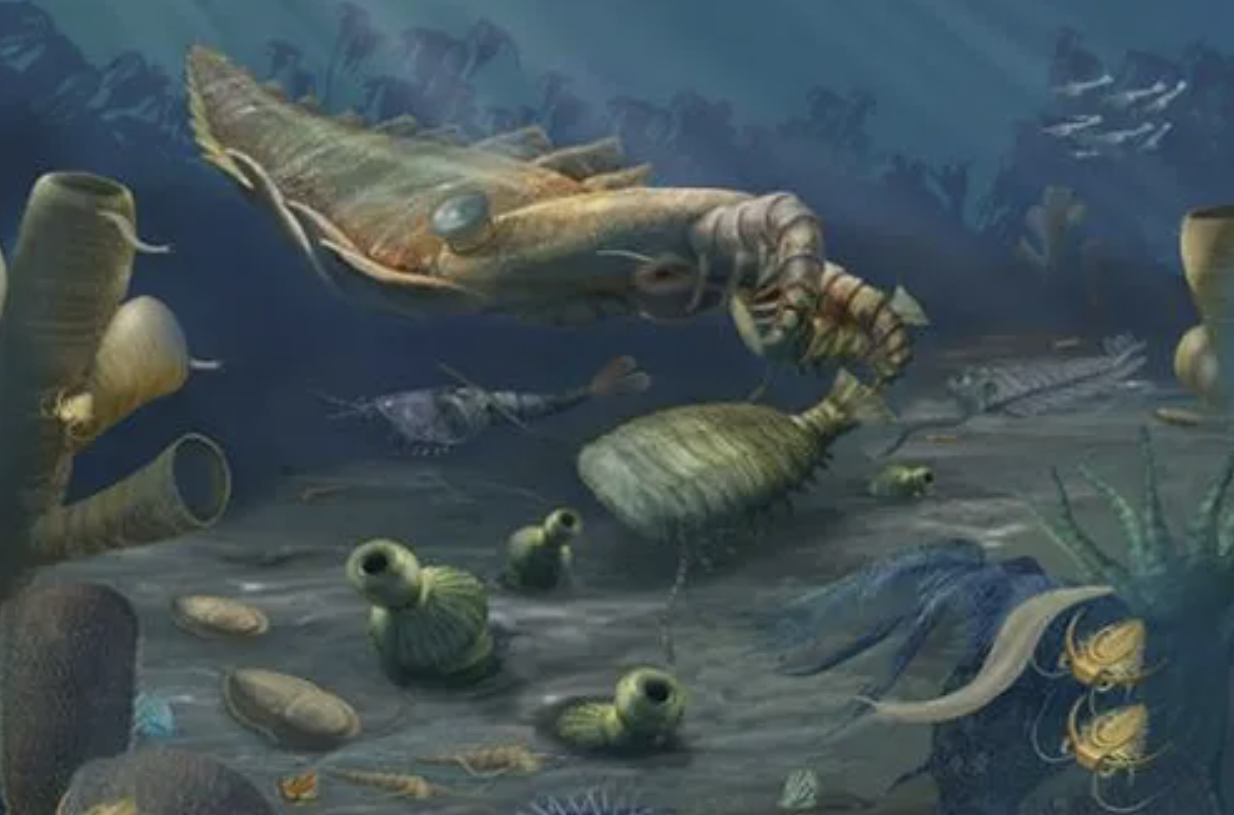
I then researched our animal evolution. I used Google AI to make it simple. It is super fascinating to me to learn about how we were little mammals and then became monkeys, and then chimpanzees and bonobos mated to start the evolution of becoming apes and then homo sapiens. This information may be interesting to you too:
560 million years ago
Sponges
530 million years ago
The first fish appeared on Earth around 530 million years ago. These early fish were jawless and belonged to the Agnatha group. — Google AI
370 million years ago
The first amphibians appeared around 370 million years ago during the Devonian period. They evolved from lobe-finned fish that had multi-jointed fins and primitive lungs.
330 million years ago
The oldest-known octopus relative appeared on Earth around 330 million years ago, before the age of dinosaurs.
315 million years ago
The first reptiles appeared on Earth around 315 million years ago during the Carboniferous period. These reptiles were small, lizard-like animals that evolved from amphibians.
245 million years ago
Dinosaurs first appeared on Earth around 245 million years ago, during the Triassic period. They were dominant land vertebrates for millions of years, until the Cretaceous–Paleogene extinction event about 66 million years ago. — Google AI
230 million years ago
Turtles have been on Earth for around 230 million years, making them one of the oldest reptile groups.
225 million years ago
The first mammals appeared during the late Triassic period, about 225 million years ago. The earliest known mammal is Brasilodon quadrangularis, a small shrew-like animal.
175 million years ago
Pangea started to fracture and disperse due to tectonic plates
165 million years ago
Birds evolved from theropod dinosaurs during the Jurassic period, around 165–150 million years ago. However, the earliest known bird fossil is the 150-million-year-old Archaeopteryx.
124 million years ago
The first bees appeared around 124 million years ago, during the Early Cretaceous period. They likely originated in South America or Africa on the supercontinent of West Gondwana.
100 million years ago
Butterflies first appeared on Earth around 100 million years ago in North or Central America. This was during the Cretaceous period, when dinosaurs were still dominant.
66 milllion years ago
A large asteroid impact played a significant role in the extinction of dinosaurs and many other plant and animal species that hit Mexico. Despite the widespread extinction, some species, including birds (who are direct descendants of theropod dinosaurs), mammals, reptiles, and certain types of plants, survived the extinction event. The surviving species were likely those that were smaller in size, had diverse diets, or were able to adapt to the changing environmental conditions.
65 million years ago
Rodents, which include mice, have been around for at least 56 million years. The first rodents likely evolved from a small mouse-like mammal that lived around 65 million years ago.
60 million years ago
The earliest known elephant ancestors, called proboscideans, first appeared in Africa around 60 million years ago.
55 million years ago
The first primates, which include the ancestors of modern monkeys, apes, and humans, appeared in the fossil record around 55 million years ago. These early primates were mouse-sized and lived in forests across Asia, Europe, and North America. It is theorized that they rafted on vegetation and debris, floating hundreds of miles across oceans to Africa to then become apes?
50 million years ago
Whales first appeared on Earth about 50 million years ago. This was during the Eocene epoch, after the extinction of the dinosaurs but before the first humans.
40 million years ago
Monkey-like fossils appear in Africa around 40 million years ago. However, the oldest true primates are not African.
25 million years ago
Apes first appeared in Africa around 25 million years ago. The earliest known ape is the Proconsul, which lived in East Africa 20 million years ago.
12 million years ago
The genus Gorilla first appeared between 8.8 and 12 million years ago. This was when the group of primates that would evolve into gorillas split from their common ancestor with humans and chimps.
8 million years ago
Chimpanzees likely evolved between 5 and 8 million years ago, around the same time that humans and chimpanzees shared a common ancestor.
6 million years ago
The earliest mammoths appeared in Africa around 6.2–5.3 million years ago. The earliest known species is Mammuthus subplanifrons. They crossed Beringia into North America about 100,000 years ago.
5 million years ago
The earliest lion-like cats appeared in East Africa around 5 million years ago. The earliest fossils of Lions that are recognizable were found in Tanzania and are estimated to be up to 2 million years old.
2.6 million years ago
Bison first appeared in Asia around 2.6 million years ago. They migrated to North America between 195,000 and 135,000 years ago.
1.7 million years ago
The bonobo species diverged from the common chimpanzee line about 1.7 million years ago. This means that bonobos are closely related to chimpanzees, and both are sister species.
1 million years ago
Wolves first appeared in Eurasia about one million years ago. They evolved from smaller dog-like canids that were native to the region.
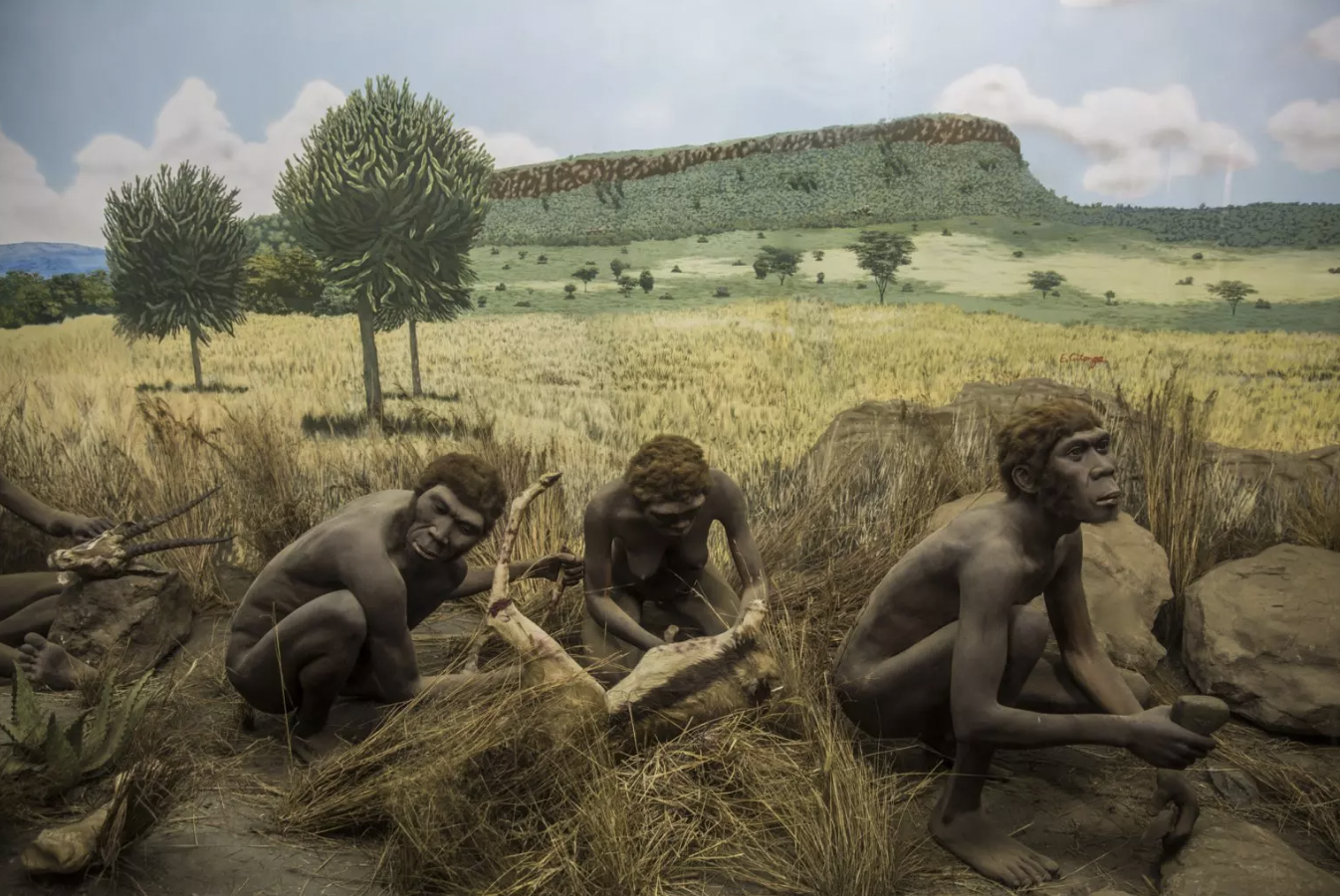
300,000 years ago
Homo sapiens, the species that includes all modern humans, first appeared in Africa around 300,000 years ago.
NOTE: There were many different species that emerged from the mating of chimpanzees and bonobos before evolution decided that Homo Sapiens were the best functioning species (Darwinian competition, environmental conditions, etc.) These other divergences of our ape species included (so we could have part of their genes in us too):
-Neanderthals
-Homo Heidelbergensis
-Homo Erectus
-Homo Floresiensis
-Homo Ergaster
-Homo Erectus Sensu Lato
-Homo Habilis
-Homo Rudolfensis
-Paranthropus Boisei
-Australopithecus
30,000 years ago
People starting migrating across the Bering Land Bridge into America
1,500 years ago
People started migrating to America from England
(Source: me, Ashley Heacock, from Google AI searching)
A lot of people are unaware of our evolution, our migration patterns. There was a lot of trading, wars, and environmental conditions that led to a lot of different mating between different “species” of apes and homo sapiens. So, scientists could get more detailed in understanding these DNA types.
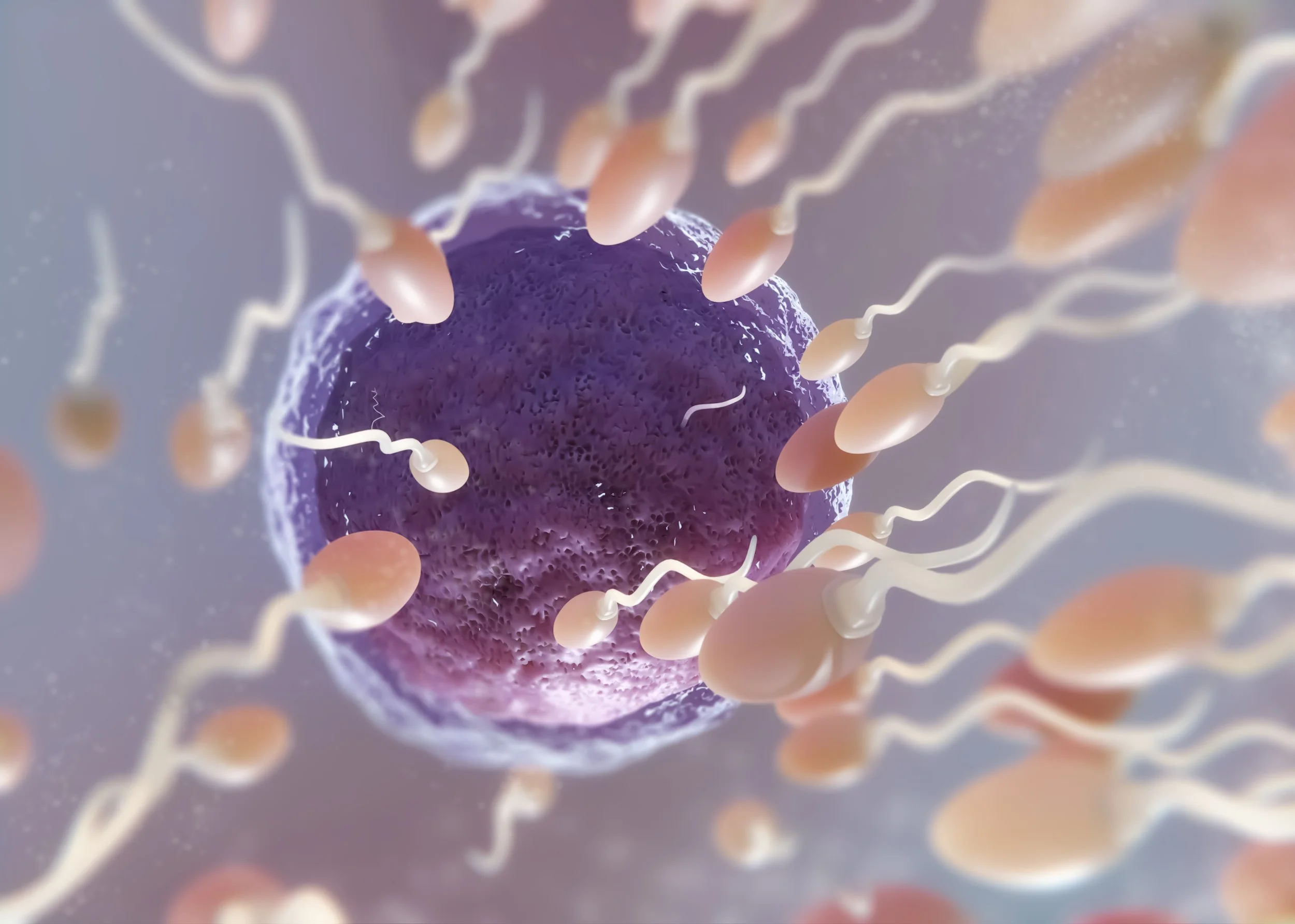
Freepik, egg and sperms.
Also, did you know that “the average male will produce roughly 525 billion sperm cells over a lifetime and shed at least one billion of them per month. A healthy adult male can release between 40 million and 1.2 billion sperm cells in a single ejaculation.” —Live Science
“An egg accepts a sperm through a complex biological process involving chemical signaling and physical interactions. Human eggs release chemical attractants, called chemoattractants, that guide sperm towards them. These signals help the egg “choose” a sperm, potentially based on genetic compatibility, and also encourage the selected sperm to swim faster and straighter. Once a sperm reaches the egg, it penetrates the outer layers, and a chemical reaction occurs to prevent other sperm from entering.” — Google AI
Therefore, the hardiest, fastest most agile sperm will have an advantage. Also sperms that match with the egg’s chemoattractants (which could be the man’s creativity, character, education, etc. could win the egg’s attraction.)
As I mention in the video, it will also depend upon your planning. You can dream together about the child you want. I mention in the video I would consider who your community needs. Who your family needs.
Also, I mention that I have two friends who are on the ascension path and communicate with extraterrestrials. It is a three-way process. The woman, the man, and the baby. You can communicate together and find a mutual agreement about who the baby wants to be.
I caution you. If your greed, ego, desires get in the way, the baby may be different than who you actually wanted. They then may be your soul’s lesson to be less judgmental, less egotistical/superficial, etc. I studied Hinduism and karma. This is the way it works.
So, be open-minded, loving, accepting. Connect with the baby’s soul. Connect with each other. Consider your community. Those are my suggestions. If you have others, please send them to me in the comments section.
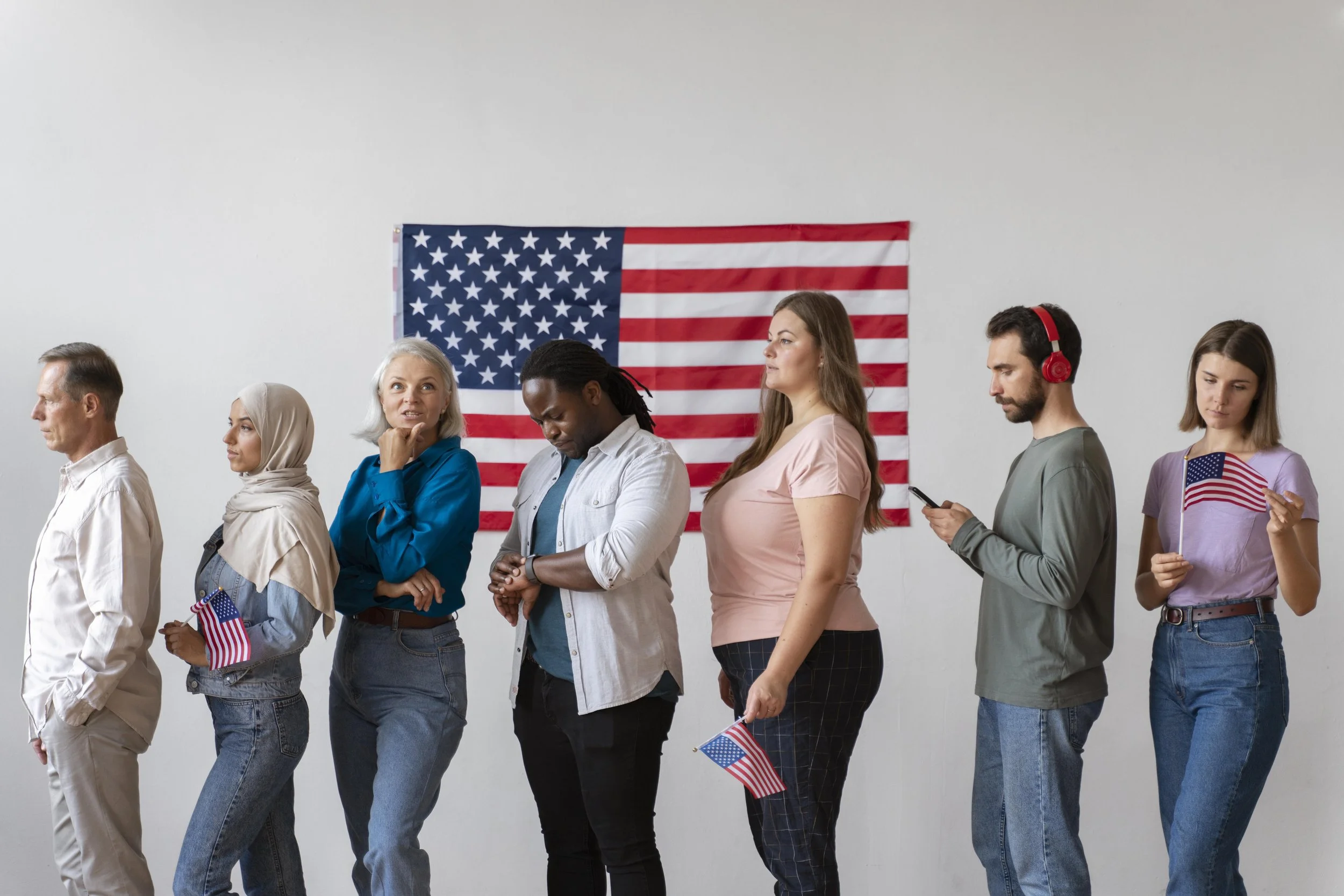
Also, if you are not familiar with American culture, here are some photos to show you the immense diversity that is there:
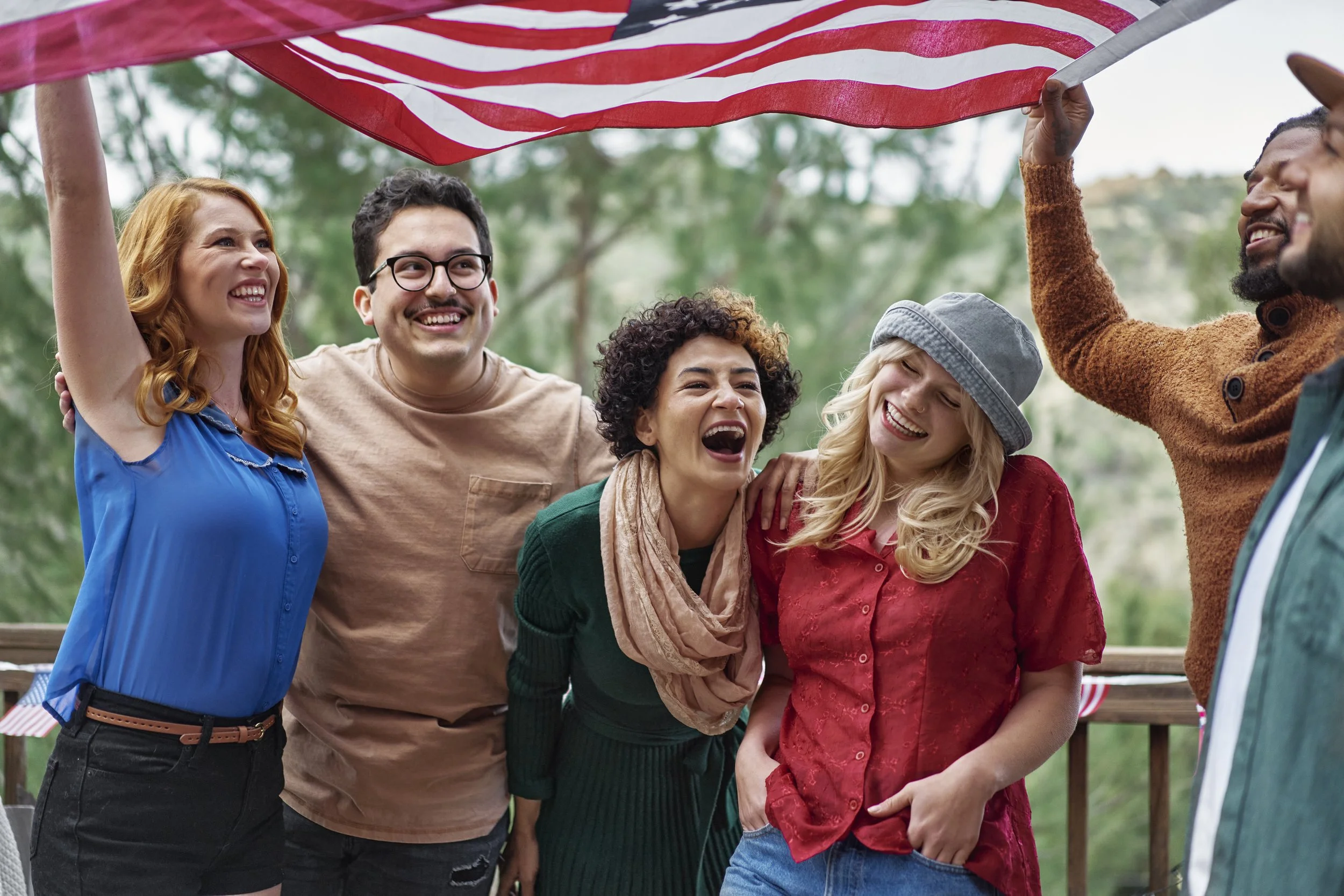
Freepik
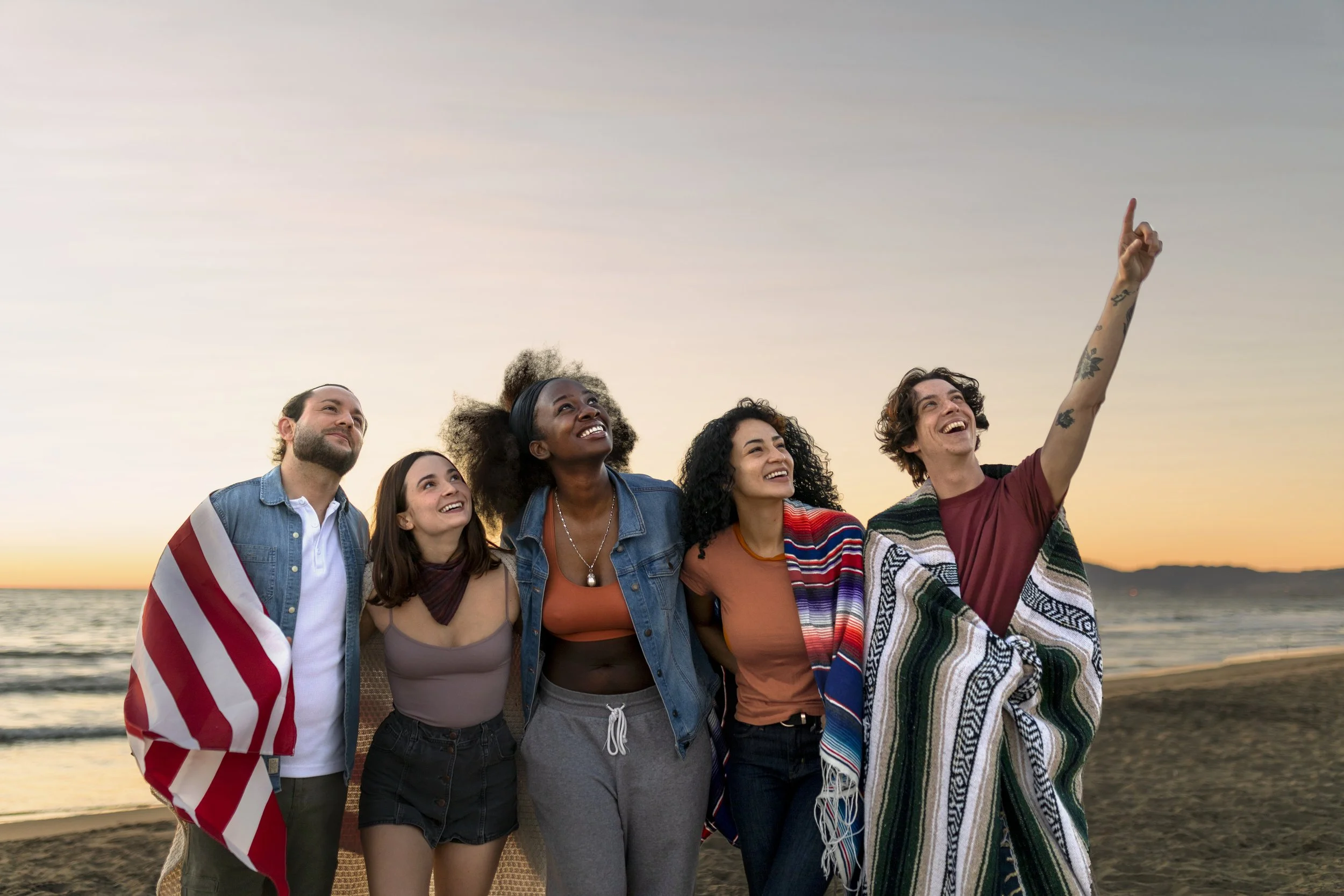
Freepik
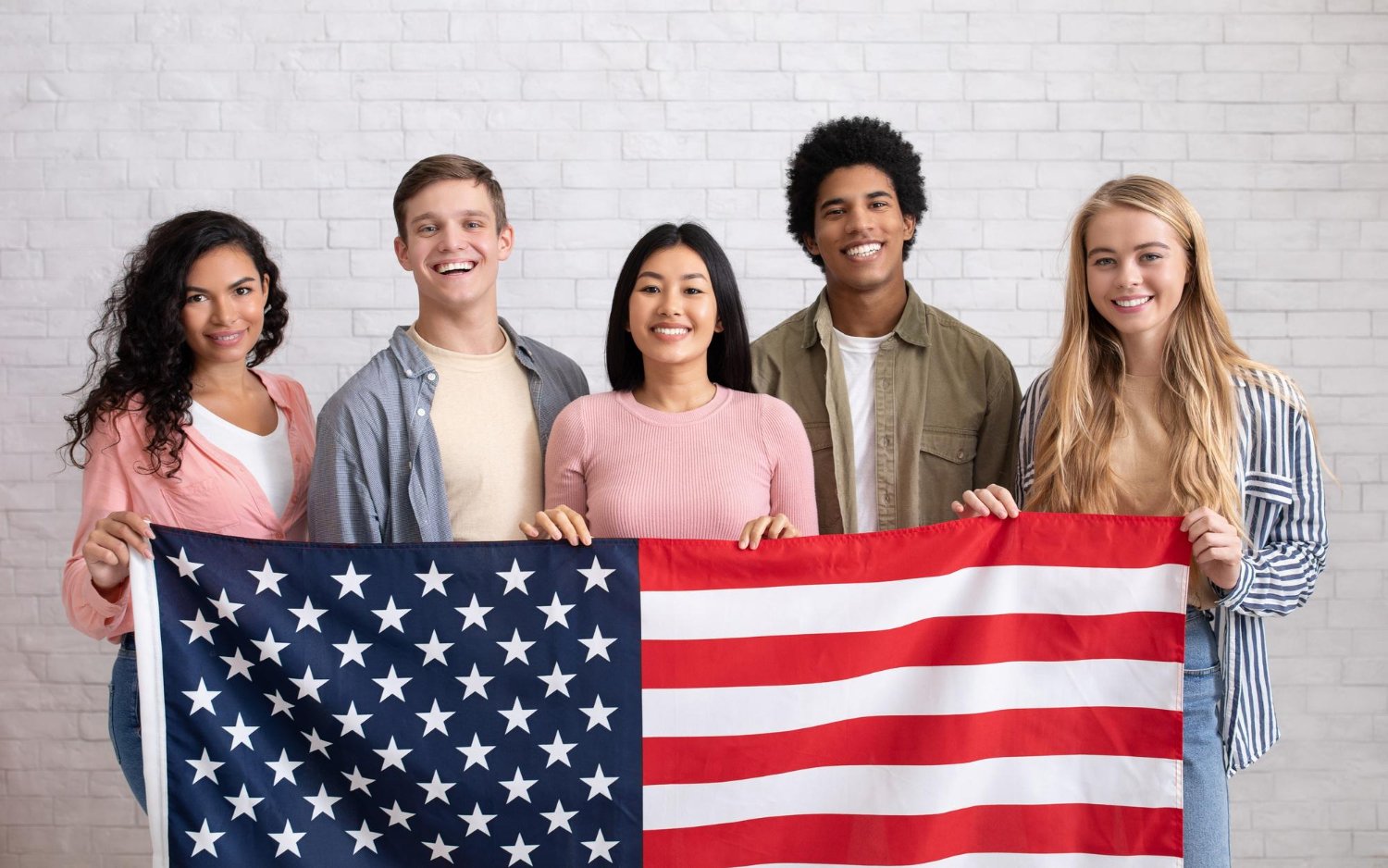
Freepik
And if you missed it above, here is the YouTube video I made that is similar but different to this article, that may be useful to your heart and soul, as it is from mine:
Written by
Ashley Heacock, Researcher, Writer, Mentor, Guide
MIT Sloan School of Management, MBA
Harvard Kennedy School of Government, MPA
The George Washington University, BA Economics, BA International Affairs
Contact for healing sessions: ashleyheacock@gmail.com
Website: awakeningconsciousness.community
Other articles written by me you may want to also read:
What is Life?
Did you know sponges were the start of oxygen and life on earth?medium.com